


Makhan Mishri: A Taste of Divine Love
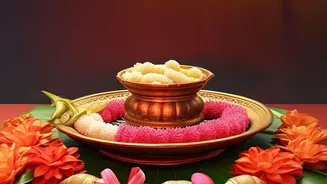
Perhaps no food is more central to Janmashtami than Makhan Mishri. It is a simple, uncooked offering of fresh white butter mixed with rock sugar crystals. This dish directly recalls Krishna's childhood identity as 'Makhan Chor' or the butter thief. The
stories of him playfully stealing butter from the gopis of Vrindavan are legendary, symbolizing not theft, but divine, innocent love and the sweetness of devotion. Preparing this dish is a direct homage to Krishna's playful spirit. The offering is about purity and love, reminding us that the most profound connections can be found in the simplest of gestures.
Panchamrit: The Five Nectars of Life
Panchamrit, which translates to "five nectars," is a sacred concoction essential to the Janmashtami puja. It is made from five key ingredients: milk, curd (yoghurt), ghee (clarified butter), honey, and sugar. This mixture is used for the 'abhisheka', the ritual bathing of the deity's idol at midnight, the time of Krishna's birth. Each ingredient carries a deep symbolic meaning: milk for purity, curd for prosperity, ghee for strength and victory, honey for unity and devotion, and sugar for sweetness and bliss. Sharing Panchamrit as prasad after the puja is to partake in these divine qualities, nourishing both body and soul.
Panjiri: An Offering of Strength
Panjiri is a highly nutritious sweet made from whole wheat flour or coriander seed powder (Dhaniya Panjiri), roasted in ghee and mixed with powdered sugar and dried fruits. It is a staple prasad, especially in North India. Beyond its delicious taste, Panjiri is considered a food that provides energy and vitality. This has a special significance, linking back to Krishna's life in the pastoral community of Braj, where strength and sustenance were essential. Offering and consuming Panjiri is symbolic of seeking both physical strength and spiritual grounding, qualities exemplified by Krishna.
Fasting Foods: Devotion Through Abstinence
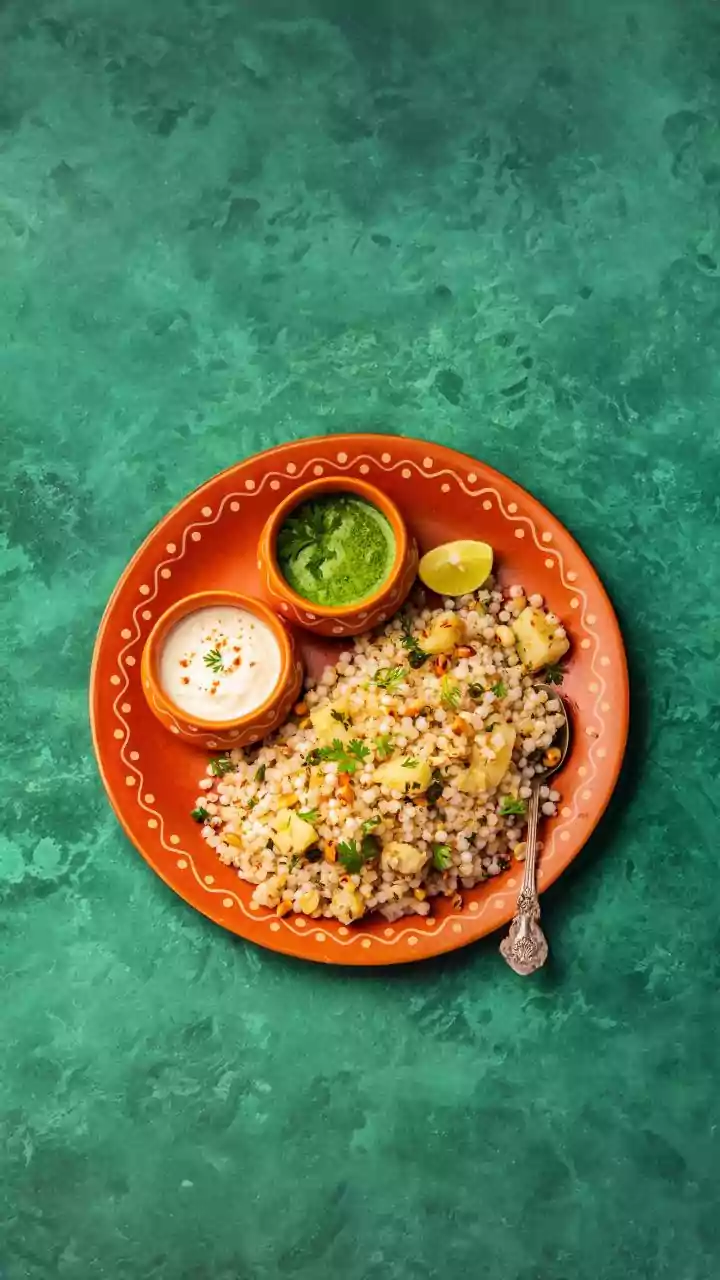
For many devotees, Janmashtami involves a day-long fast, which is broken at midnight after Krishna's birth is celebrated. The food prepared for this fast, or 'vrat', is carefully chosen to be sattvik (pure). Dishes like Sabudana Khichdi (made with tapioca pearls), Kuttu ki Puri (buckwheat flour pancakes), and Makhana Kheer (fox nut pudding) are popular choices. These foods are light, easily digestible, and adhere to fasting rules, which typically exclude grains, salt, and certain spices. Preparing and consuming these special dishes is an act of mindful devotion, where even abstaining from everyday food becomes a way to focus the mind on the divine.
Sweets and Savouries: A Full-Hearted Feast
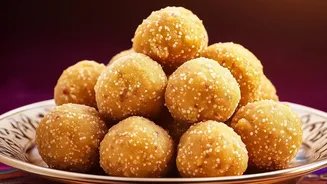
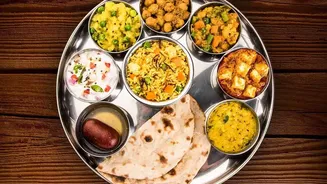
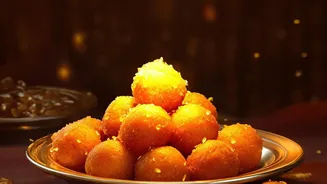
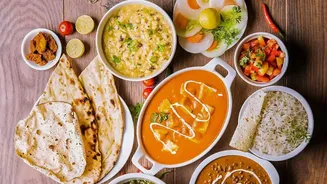
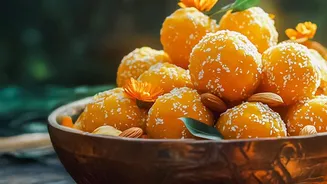
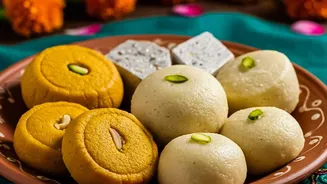
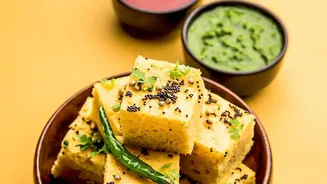
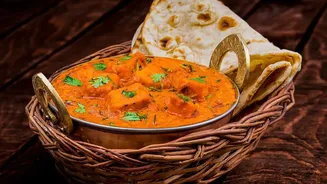
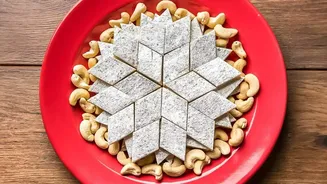
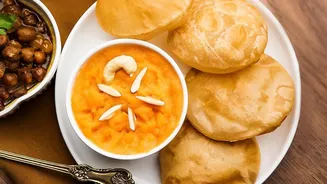
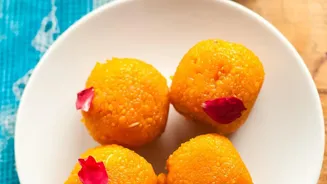
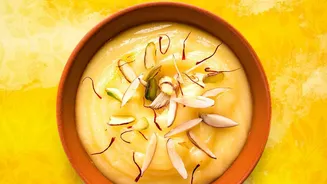
The midnight celebration is followed by a feast, and no Janmashtami is complete without a spread of traditional sweets and savouries. Milk-based sweets are particularly significant, given Krishna's love for them. Dishes like Kheer, Peda, and Laddus are prepared with care. Savoury items such as fluffy Pooris, Aloo ki Sabzi, and Murukku (chakli) add balance to the feast. This spread is a reflection of abundance and joy. It connects to the concept of 'Chappan Bhog', the legendary offering of 56 dishes made to Krishna by the villagers of Braj as a show of gratitude after he lifted the Govardhan Hill. While most households don't prepare all 56 dishes, the spirit of a generous, heartfelt offering remains.