







Just How Weak is the Monsoon?
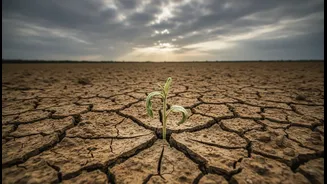
The numbers paint a concerning picture. After a very dry start in June, which saw a massive 71% deficit in the first three weeks, the situation improved slightly but remains worrying. By the end of June, the state-wide deficit stood at 34%. As of early
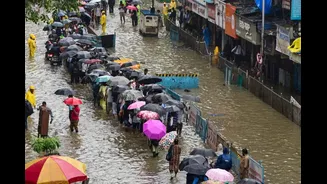
July, the monsoon weakened again, pushing the seasonal rainfall deficit to 26.7%. To put that in perspective, by July 9, Goa had received about 899 mm of rain, whereas the normal amount for this period is over 1,225 mm. This has left many parts of the state with less than expected rainfall during what is typically the wettest month of the year.
What Exactly is a Rain Deficit?
Think of a rain deficit as a budget shortfall, but for water. The India Meteorological Department (IMD) calculates a 'normal' amount of rainfall for a specific area based on long-term historical averages. When the actual rainfall received is lower than this normal value, the difference is called a deficit, usually expressed as a percentage. For instance, the IMD classifies a deficit between 20% and 59% as 'Deficient' and anything 60% or more as 'Large Deficient'. Goa has fluctuated between these categories, starting June in a 'Large Deficient' state. Even though some heavy showers towards the end of June narrowed the gap, the overall shortfall continues.
Why is This Happening in 2026?
Several complex meteorological factors are contributing to this weak spell. Experts point to the development of El Niño conditions in the Pacific Ocean, which is often linked to weaker monsoons in India. Other contributing factors include a weak low-level jet stream and weak cross-equatorial winds, which are essential for carrying moisture-laden clouds from the Arabian Sea to the coast. Essentially, the large-scale atmospheric systems that drive the powerful monsoon currents have not been strong or consistent enough this year, leading to prolonged dry periods between rainy spells.
What are the Immediate Impacts?
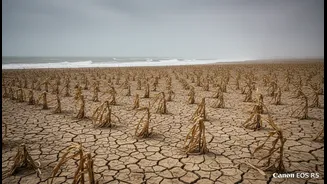
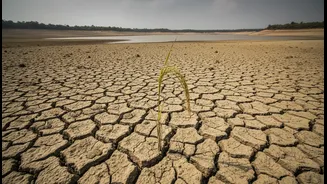
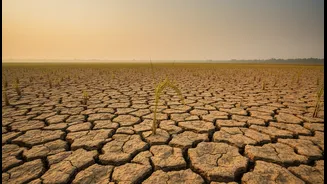
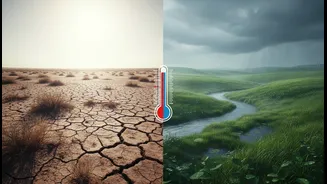
The most immediate impact is on agriculture. Farmers who depend on the early monsoon showers for sowing paddy and other kharif crops have been facing uncertainty. A prolonged dry spell raises alarm as it can affect crop yields and increase reliance on irrigation. While officials state that water levels in major reservoirs are currently adequate and there's no immediate water shortage, this is largely thanks to heavy rains in the last week of June. However, continued weak rainfall could put a strain on drinking water supplies and groundwater levels later in the year. The unusually sunny and hot days in July, with temperatures several degrees above normal, have also added to the discomfort.
What is the Outlook?
The forecast remains a mixed bag. The IMD had predicted an active spell in early July, which did bring some relief, but this was expected to be followed by another weak phase. Forecasts for mid-July suggest the monsoon will likely continue in a 'rather dry mode' due to weak systems in the region. While a few heavy downpours can drastically change the statistics, as seen at the end of June, the underlying weakness in the monsoon flow is a cause for continued vigilance. Historical data shows that Goa has recovered from poor starts before, but this year's combination of local and global weather patterns makes the outcome uncertain.