




The Backlash Against 'Fast Furniture'
For years, the trend was to have a home that looked like it was lifted from a catalogue. Clean, matching, and predictable. But just like fast fashion, the era of 'fast furniture' and cookie-cutter decor is starting to lose its shine. Consumers are growing
tired of the uniformity and disposability of items produced by the thousands in factories. There is a growing awareness of the environmental and social costs associated with mass production, from waste generation to the use of synthetic materials. This has sparked a desire for authenticity and longevity in the things we choose to live with, prompting a shift toward items that are not just beautiful but meaningful.
The Allure of the One-of-a-Kind
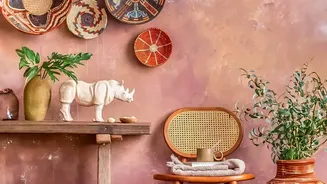
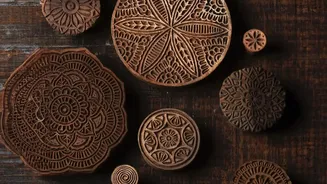
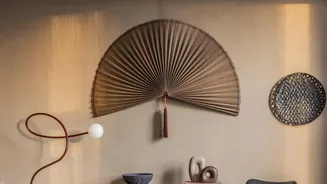
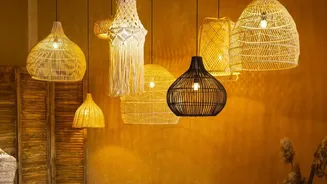
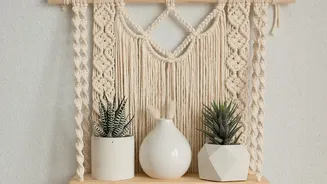
What does a hand-carved wooden bowl or a block-printed cushion offer that its factory-made equivalent cannot? The answer is a story. Handmade items carry the imprint of their creator; the subtle imperfections become marks of authenticity, not defects. This uniqueness is a powerful draw for urban professionals and families who want their living spaces to be a reflection of their own identity and values, not a copy of a popular trend. In a world of digital perfection, the texture of handwoven fabric or the unique glaze on a piece of pottery offers a tangible connection to something real and human. This emotional connection adds a layer of value that mass production simply cannot replicate.
Championing India's Artisanal Heritage
In India, this trend has a particularly special resonance. The country has a rich and diverse history of craftsmanship, with skills passed down through generations. From the wicker weavers of Kashmir to the potters of West Bengal and the metalworkers of Jodhpur, choosing handmade decor is also an act of cultural preservation. It supports the livelihoods of millions of skilled artisans and helps keep ancient techniques alive in the modern world. E-commerce platforms and boutique brands are now making it easier than ever for consumers to connect directly with these artisans, bridging the gap between remote villages and contemporary urban homes. This allows buyers to make conscious choices that empower local communities.
A Move Towards Mindful Living
Ultimately, the turn towards handmade home goods is part of a larger, global movement towards more conscious and sustainable consumption. Consumers are increasingly looking for quality, durability, and a clean conscience. Handmade pieces are often crafted from natural and eco-friendly materials like reclaimed wood, bamboo, and jute, aligning with the values of a generation concerned with its environmental footprint. This 'slow decor' movement encourages us to buy less but buy better, investing in pieces that are built to last and will be cherished for years to come. It’s about creating a home that is not just stylish, but soulful.