






An End to the Searing Heatwave
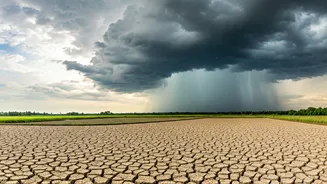
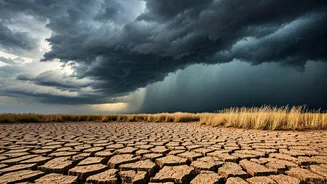
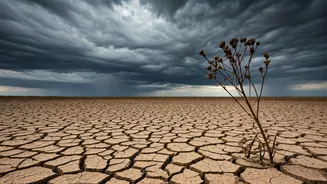
The arrival of the monsoon marks the end of a brutal period of extreme weather for millions. For weeks, residents across Uttar Pradesh and Uttarakhand grappled with a severe heatwave that saw temperatures consistently soaring. In many parts of UP, conditions
were so intense that the India Meteorological Department (IMD) had issued severe heatwave warnings, even as it forecast the monsoon's advance. Lucknow, for instance, saw temperatures well above normal, while the 'feels-like' temperature in Delhi, on the border of the heat-affected region, touched a staggering 50.7 degrees Celsius. This prolonged spell of high temperatures and oppressive humidity disrupted daily life, strained power grids, and created immense discomfort and health risks for the population.
The Rains Arrive at Last
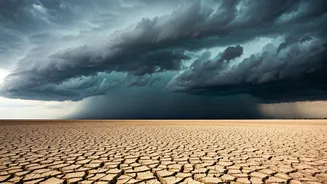
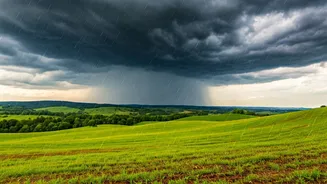
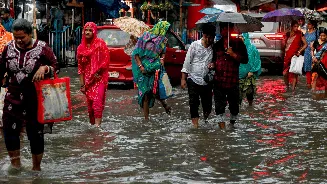
The IMD confirmed that conditions became favourable for the southwest monsoon to advance into parts of Uttar Pradesh and Uttarakhand around June 28-29. The arrival, which was delayed by nearly a week compared to its normal schedule, first entered the states through eastern UP and the Kumaon region of Uttarakhand. Prior to its full onset, pre-monsoon showers and thunderstorms were reported in isolated areas, but the formal advance brings the promise of more widespread and sustained rainfall. This progression is a critical turning point, shifting the weather pattern from dry westerly winds to the moisture-laden southwesterly winds that define the season.
A Welcome Drop in Temperatures
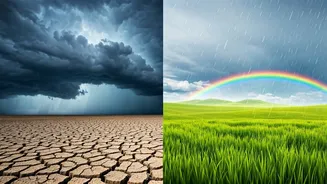
The most immediate impact of the monsoon's arrival has been a significant drop in temperature. The cloud cover and rainfall have brought temperatures down by several degrees, providing instant and tangible relief. For instance, in Garhwal, Uttarakhand, temperatures have fallen to the mid-20s Celsius, a stark contrast to the 40-plus degree heat that plagued the plains. While some parts of UP were still experiencing heatwave conditions on the cusp of the monsoon's arrival, the forecast indicates a widespread cooling trend as the rains set in over the coming days. This change breaks the vicious cycle of heat and humidity that had gripped the region for weeks.
Crucial Timing for Agriculture
The monsoon's arrival is a lifeline for the region's agricultural sector. Nearly half of India's farmland is rain-fed, making the timing and intensity of the monsoon critical for the sowing of Kharif crops like rice, soybean, and pulses. The delay had caused significant anxiety among farmers, with many in Uttar Pradesh holding off on planting seeds due to the parched conditions. The arrival of these rains, while slightly late, is essential for soil moisture, recharging groundwater, and enabling the agricultural cycle to begin in earnest. A healthy monsoon is directly linked to crop yields, rural incomes, and food price stability across the country.
IMD Forecast: What Comes Next?
According to the IMD, the monsoon is expected to advance further, covering more parts of UP, Uttarakhand, and other northern states like Himachal Pradesh and Jammu and Kashmir over the next several days. Widespread rainfall is predicted for Uttarakhand from June 29 onwards, with East Uttar Pradesh expected to receive widespread rain from the beginning of July. However, the relief comes with a note of caution. The IMD has also issued alerts for thunderstorms, gusty winds, and isolated heavy rainfall. In the hilly terrain of Uttarakhand, heavy rain increases the risk of landslides, a recurring challenge during the monsoon season that requires vigilance from residents and authorities alike.