








The Quick Snack vs. The Full-Course Meal
At its core, the difference between scrolling Reels and bingeing an OTT show is about satisfying different needs. Instagram Reels and other short-form videos are the digital equivalent of a quick, satisfying snack. They are designed for the moments in-between:
waiting for a cab, standing in a queue, or taking a short break from work. A Meta-commissioned study found that 97% of surveyed Indian internet users watch short-form videos on a Meta platform at least once a day. This habit is built on instant gratification, offering a rapid succession of comedy, dance, or information without requiring much mental commitment. In contrast, OTT platforms like Netflix, Prime Video, or Hotstar are the full-course meal. They demand time, planning, and a longer attention span. Choosing to watch a series or a movie is a deliberate decision to set aside an hour or more for immersive, narrative-driven entertainment.
A Lean-Forward vs. Lean-Back Experience
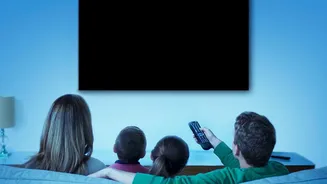
The physical posture of consumption often reflects the mental state. Reels are a classic 'lean-forward' activity. You hold your phone, actively swiping, liking, and sharing. The experience is interactive and participatory, driven by a constant search for the next stimulating clip. Studies show that this format, with its rapid bursts of novelty, triggers the brain's reward system, making it hard to stop scrolling. OTT, on the other hand, is a 'lean-back' experience. You settle onto a couch, perhaps with friends or family, and let the story wash over you. The engagement is more passive and relaxed, focused on absorbing a complex plot and character development. It’s less about constant interaction and more about surrendering to a different world for a while. While young urban Indians aged 18-24 spend over two hours daily on social media, much of it on short-form content, older demographics over 35 tend to lead engagement in long-form entertainment.
Social Discovery vs. Solitary Immersion
Reels are inherently social and cultural engines. They are a hub for trends, challenges, and memes that become part of a shared cultural conversation among peers. A Meta study highlighted that Reels are a top platform for brand and product discovery, with users often influenced by creators and what is currently trending in their network. The content is often user-generated, raw, and relatable, fostering a sense of connection. Conversely, while OTT content can be a shared social event, the viewing experience itself is often more solitary and personal. You dive deep into a character's journey or a complex narrative, an experience that is more about individual immersion than social participation. It’s a form of escapism, designed to pull you out of your environment rather than connect you more deeply with online trends.
The Attention Span Debate
There's a growing conversation around how short-form content affects our ability to focus. The constant stimulation from an endless scroll of videos conditions the brain to expect rapid rewards, which can make it more difficult to engage with slower-paced activities that require sustained attention, like reading a book or even watching a full-length film. Several studies have noted an association between excessive use of short-form video and reduced short-term attention spans, especially among adolescents. This doesn't mean young Indians are abandoning long-form content. Rather, they are becoming adept at 'code-switching' their attention. They might turn to OTT for a planned, immersive session but fill the smaller, unstructured gaps in their day with the quick-hit satisfaction that Reels provides so effectively.