




Beyond the Familiar Condiment
For generations, the Indian thali has been incomplete without a small bowl of chutney. It’s the flavour bomb that cuts through richness, adds a tangy kick, or provides a cooling counterpoint. But the definition of chutney is expanding. Chefs and home
cooks are looking past the usual suspects and exploring a vast pantry of regional ingredients that offer unique textures, deeper flavours, and a serious nutritional punch. This isn’t about inventing something new, but rather rediscovering and celebrating the culinary wisdom embedded in different parts of the country.
The Rise of Seeds and Pulses
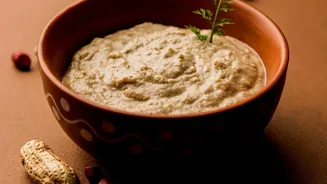
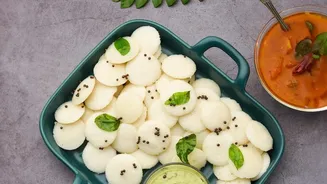
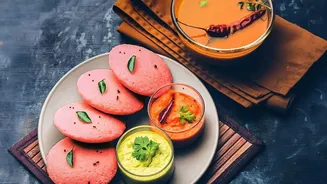
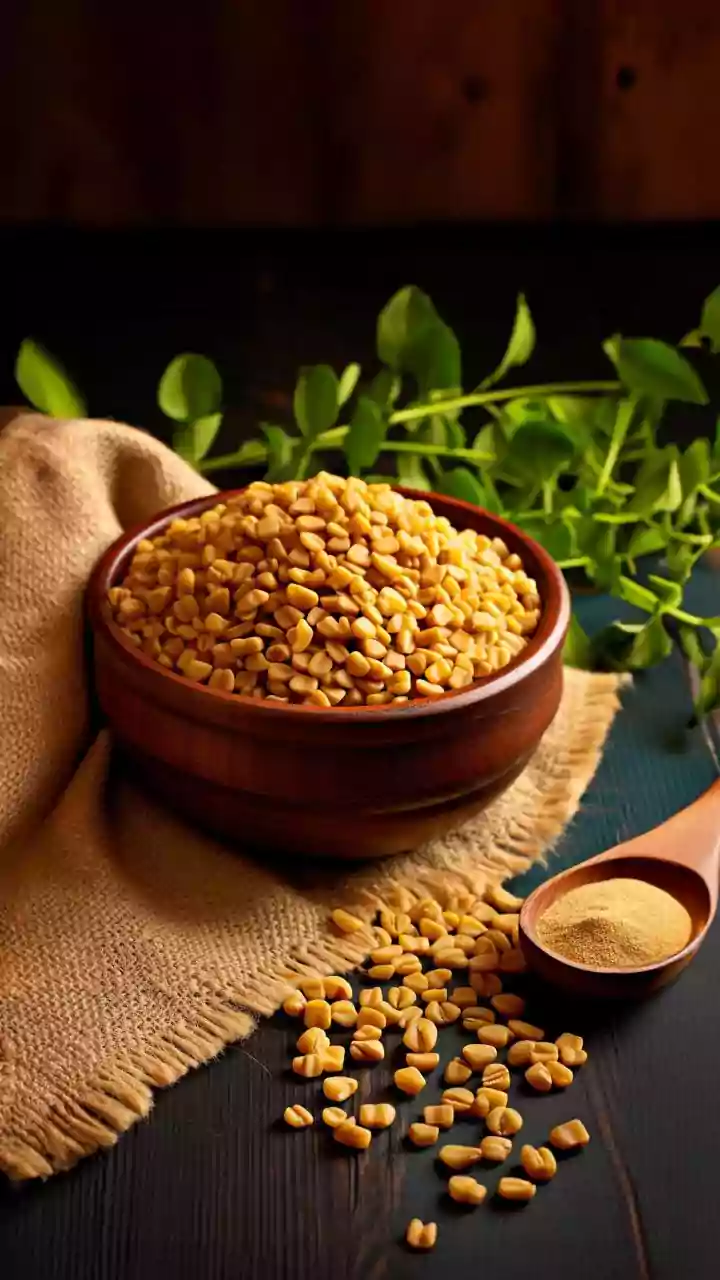
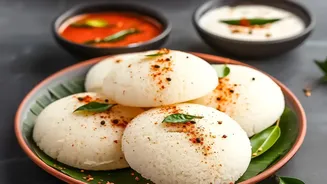
The stars of this emerging trend are humble yet powerful ingredients. Seeds like hemp (bhangjeera), perilla, flax, sesame, and pumpkin are being transformed into coarse, nutty chutneys. In Uttarakhand, bhang ki chutney is a staple, made from roasted hemp seeds ground with mint, coriander, and lemon juice. It's important to note that these hemp seeds are non-psychoactive and are prized for their rich reserves of protein and omega fatty acids. Similarly, perilla seed chutney is a staple in the Northeast, particularly in Manipuri and Naga kitchens, offering a robust, nutty flavour. Meanwhile, pulses like urad dal (black gram) and chana dal (split chickpeas) are roasted and ground into flavourful chutney powders, often called podis or pachadis in South India. These lentil-based condiments, when mixed with a little ghee or oil, add a savoury, protein-rich element to everything from idlis to rice.
A Return to Regional Roots
This trend is deeply connected to a broader movement towards celebrating India’s diverse regional cuisines. Many of these seed and pulse-based chutneys have been part of local food traditions for centuries. For example, the use of roasted lentils and seeds is a hallmark of Southern Indian cooking, designed to add flavour and nutrition to largely vegetarian meals. In the West, Maharashtrian households often keep dry chutneys made of peanuts, flaxseed, and sesame on hand. This renewed interest is about honouring hyper-local foodways. Food writer Rushina Munshaw-Ghildiyal's recent project, documenting over 230 distinct chutneys from across India, highlights this incredible diversity, featuring everything from Kerala's nutmeg fruit chutney to Chhattisgarh's red-ant chapda chutney.
More Than Just Taste
The appeal of these chutneys goes beyond flavour. There is a strong wellness and sustainability component driving their popularity. Many of these seeds are nutritional powerhouses. Flax seeds are rich in Omega-3 fatty acids and fiber, while pumpkin seeds are an excellent source of zinc and magnesium. Incorporating them into a daily condiment is an easy and delicious way to boost nutrient intake. Furthermore, this trend taps into the “zero-waste” philosophy that has long been a part of Indian household cooking. Using peels, stems, and seeds to create something delicious is a testament to culinary ingenuity. By focusing on locally sourced ingredients, this movement also supports sustainable agriculture and reinforces a connection to the land.