





Why 35°C Isn't Just 35°C
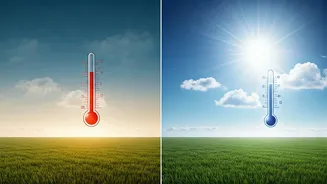
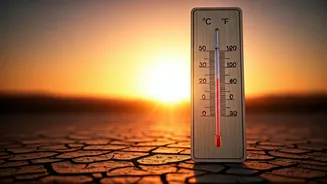
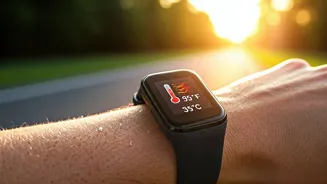
The temperature you see on the news or your phone app is the ambient air temperature. It measures how hot the air is, typically in the shade and shielded from direct sunlight. While it’s a useful starting point, it misses the most crucial factor determining
how heat actually affects your body: humidity. Your body’s primary cooling system is sweating. As sweat evaporates from your skin, it carries heat away, lowering your body temperature. This natural air conditioning works wonderfully in dry heat, where moisture can easily evaporate into the air.
Humidity: The Cooling Saboteur
When the air is already saturated with moisture—what we call high humidity—your sweat has nowhere to go. Evaporation slows down dramatically or stops altogether. Your body continues to produce sweat in an attempt to cool down, but without evaporation, you're left feeling sticky, uncomfortable, and, most importantly, you’re not cooling off. Your internal temperature can begin to rise, forcing your heart to work much harder to pump blood to the skin to release heat. This is why a 32°C day with 70% humidity can feel far more oppressive and dangerous than a 38°C day in a dry climate.
Understanding the 'Real Feel'
This is where the 'Heat Index', often called the “feels like” temperature, comes in. This metric combines the air temperature with relative humidity to give a more accurate picture of the stress on the human body. For example, an air temperature of 33°C with 65% humidity can feel like 44°C. This isn't just about comfort; these higher “feels like” temperatures directly correlate with an increased risk of heat-related illnesses. For those working or exercising outdoors, an even more comprehensive measure is the Wet-Bulb Globe Temperature (WBGT), which also accounts for wind speed, cloud cover, and direct solar radiation—giving the truest sense of heat stress in direct sunlight.
From Discomfort to Danger
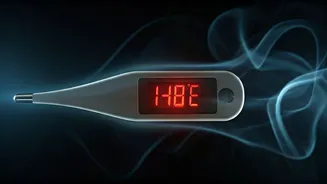
When your body can't cool itself effectively, you can progress from mild discomfort to a serious medical emergency. The first stage is often heat cramps, with painful muscle spasms. This can quickly escalate to heat exhaustion. Symptoms of heat exhaustion include heavy sweating, weakness, dizziness, headache, nausea, and a fast, weak pulse. If not treated immediately by moving to a cool place and hydrating, it can lead to heatstroke—a life-threatening condition. Heatstroke signs include a high body temperature (above 103°F), confusion, slurred speech, and hot, red skin that may be dry or damp. At this stage, immediate medical help is critical.
How to Actually Stay Safe
Checking the heat index is the first step. If it’s high, take extra precautions. Stay hydrated by drinking plenty of water throughout the day, even before you feel thirsty. Avoid strenuous activity during the hottest part of the day, typically between 11 a.m. and 4 p.m. If you must be outdoors, wear lightweight, loose-fitting, and light-coloured clothing to help your body stay cool. Take frequent breaks in the shade or an air-conditioned space. Never underestimate the power of humid heat. A temperature that seems manageable can become dangerous when the body's ability to cool itself is compromised.