





The Nilgiri Advantage: A Perfect Canvas
Grown in the Blue Mountains of Southern India, Nilgiri tea is emerging as the star of the cold brew world. Unlike its more robust cousins from Assam or Darjeeling, Nilgiri tea has a uniquely smooth and fragrant character. Crucially, it is naturally low
in tannins, the compounds that often create a bitter or astringent taste in black tea, especially when it cools. This low tannin content means that when steeped slowly in cold water, Nilgiri tea produces a bright, clean, and naturally sweet brew. Another major advantage is its clarity; it remains a beautiful golden colour when chilled, never turning cloudy. This makes it an exceptionally versatile and forgiving base, ready to absorb and complement other flavours without overpowering them.
Why Cold Brewing is the Secret
The magic of this trend lies in the cold brewing process itself. Steeping tea leaves in cold water over several hours (typically 6 to 12) is a gentler form of extraction compared to using hot water. This slow-and-steady method coaxes out the tea's delicate, aromatic compounds while leaving many of the more bitter elements and much of the caffeine behind. The result is a drink that is remarkably smooth and naturally sweeter, often requiring little to no added sugar. For health-conscious individuals, this is a significant benefit, offering a flavourful and refreshing alternative to sugary sodas and juices. This gentle extraction process makes the tea a perfect canvas for fresh fruit, allowing the true character of both the tea and the fruit to shine through without clashing.
Choosing Your Seasonal Fruit Partners
Pairing your Nilgiri cold brew with seasonal fruit is where the creativity truly begins. As of early September in India, the markets are brimming with delicious options. Pomegranates are an excellent choice, with their tart, juicy arils adding a jewel-like look and a bright flavour. Guava, with its sweet and slightly musky aroma, pairs beautifully with the floral notes of the tea. You can also find late-season plums, which offer a deep, sweet-tart flavour that infuses wonderfully. Even citrus fruits like sweet limes or oranges can add a zesty, refreshing kick that enhances the tea's natural briskness. The key is to choose fruits that are ripe and full of flavour to get the best infusion.
Simple Techniques for Infusion
There are two main approaches to creating your fruit-infused Nilgiri cold brew. The first and simplest method is to co-brew everything together. Add your loose-leaf Nilgiri tea and your chosen chopped fruits to a large jug or jar, top with cold water, and let it steep in the refrigerator overnight. This method allows the flavours to meld completely from the start. The second method involves two steps. First, prepare your Nilgiri cold brew by steeping the tea leaves on their own for 8-12 hours. After straining the tea, add your prepared fruit to the finished brew and let it infuse for another one to four hours. This gives you more control over the final flavour, preventing the fruit from overpowering the delicate tea notes.
Three Inspiring Combinations to Start
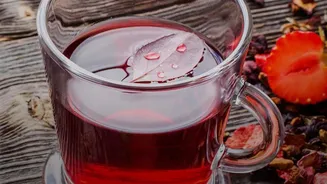
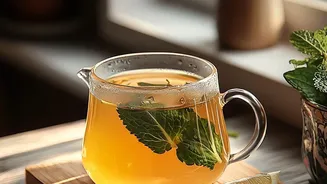
Ready to get started? Here are three simple combinations that showcase the wonderful synergy between Nilgiri tea and seasonal fruits: 1. Pomegranate & Mint Refresher: Combine a tablespoon of Nilgiri leaves, the arils of half a pomegranate, and a small handful of fresh mint leaves in a litre of cold water. Steep overnight for a vibrant, ruby-tinted tea that is both tart and cooling. 2. Guava & Ginger Sparkler: Cold brew your Nilgiri tea separately. Once strained, add several slices of ripe guava and a few thin slices of fresh ginger. Let it infuse for two hours. The sweet guava and spicy ginger create a complex, invigorating flavour. 3. Plum & Thyme Infusion: Add one sliced plum and a few sprigs of fresh thyme to your Nilgiri tea leaves at the start of the brewing process. The deep sweetness of the plum and the herbaceous notes of the thyme create a sophisticated, cocktail-like beverage that is perfect for an evening.