









Why Sticky Nights Lead to Restless Sleep
Our bodies are brilliant at regulating temperature, and a key part of that process is sweating. As we sleep, our core body temperature naturally drops, a crucial signal for initiating and maintaining deep rest. Your body releases heat through the skin,
and sweat helps this process by evaporating and cooling you down. High humidity throws a spanner in the works. When the air is already saturated with moisture, your sweat can't evaporate effectively. This traps heat close to your body, making you feel warm, clammy, and uncomfortable. This discomfort can lead to increased wakefulness and prevent you from reaching the deeper, more restorative stages of sleep, like slow-wave and REM sleep, which are vital for physical recovery and memory consolidation.
The Hidden Effects of Humid Air
Beyond just feeling sticky, high humidity has other indirect effects on sleep. It creates the perfect breeding ground for allergens like mould and dust mites, which can thrive in damp environments like mattresses and bedding. For those with allergies or asthma, this can trigger respiratory issues, congestion, and breathing difficulties that disrupt sleep. Experts generally agree that the ideal relative humidity for a bedroom should be between 30% and 50%, and should not exceed 60%. This range is not just comfortable but also helps minimise the growth of allergens and supports respiratory health.
Simple Fixes to Master Your Microclimate
Controlling your bedroom's humidity doesn't always require expensive gadgets. Start with simple, effective strategies. Improving ventilation is key; if the air outside is cooler and less humid, open windows on opposite sides of the room to create a cross-breeze that pushes moist air out. Using exhaust fans, especially after a shower, can help pull moisture-laden air from your home. Even a regular pedestal or ceiling fan can make a big difference. While it doesn't lower humidity, the airflow helps sweat evaporate from your skin, creating a cooling effect that makes it easier to fall asleep. You can also try low-tech solutions like placing bowls of rock salt in the room, which naturally absorbs moisture from the air.
Strategic Use of Cooling Technology
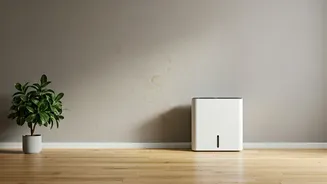
If you live in a particularly humid climate, technology can be your best ally. An air conditioner is effective because it cools the air while also removing excess moisture. Many AC units in India come with a 'Dry Mode' or 'Dehumidify' setting, which focuses on removing moisture without over-cooling the room, making it an energy-efficient option for muggy nights. For more powerful moisture control, a dedicated dehumidifier is the most effective tool. These appliances draw water directly from the air, helping you maintain that ideal 30-50% humidity level. They come in various sizes, so you can choose one appropriate for your bedroom space.
Cool Choices for Bedding and Habits
Your lifestyle choices can also contribute to a cooler night's sleep. Opt for bedding made from natural, breathable fabrics like cotton or linen. These materials allow for better air circulation and wick moisture away from your skin, unlike synthetic fabrics that can trap heat. The same goes for your sleepwear; loose, cotton pyjamas are far better than fleece or polyester on a humid night. Taking a cool or lukewarm shower right before bed can also help. It lowers your body temperature, providing temporary relief from the heat and making it easier to drift off. And finally, stay hydrated by drinking water, but perhaps avoid an ice-cold glass right before bed, as your body has to work to warm it up.