



The Science of the Shine
Gold-plated jewellery consists of a thin layer of real gold bonded onto a base metal, often brass, copper, or stainless steel. The beauty of these pieces lies in that lustrous outer layer, but it's also their biggest vulnerability. Unlike solid gold,
which is resistant to tarnishing, the base metal underneath the plating can react with elements like moisture, air, and chemicals. When the thin gold layer inevitably wears down from friction or is compromised by chemical reactions, the base metal becomes exposed, leading to discoloration and tarnishing. Proper care is not just about cleaning; it's about protecting that delicate gold surface from the things that seek to break it down.
Your Gentle Cleaning Ritual
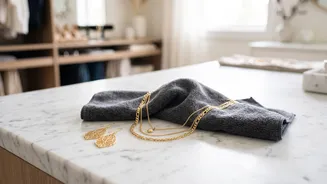
Aggressive cleaning is the fastest way to ruin gold plating. Forget abrasive materials like toothpaste or baking soda, which are often recommended for solid gold but will scratch and strip the thin plated layer. Your go-to method should be simple and gentle. Mix a few drops of mild, fragrance-free dish soap with warm—not hot—water. Submerge your jewellery for a few minutes to loosen any build-up of oils and dirt. For intricate spots or crevices, use a very soft-bristled toothbrush with light pressure. After cleaning, rinse the piece thoroughly with clean water to remove all soap residue, then pat it completely dry with a soft, lint-free cloth. Never leave pieces to air dry, as water spots can lead to dullness.
The 'Last On, First Off' Rule
One of the most effective habits for preserving your jewellery is to put it on last when getting ready and take it off first at the end of the day. Perfumes, lotions, hairsprays, and sunscreens contain chemicals and alcohols that can corrode the gold plating over time. By applying these products first and letting them dry completely before putting on your jewellery, you create a barrier and minimise direct contact. Similarly, removing your pieces before activities like showering, swimming, exercising, or even washing your hands is crucial. Water, soap, chlorine, and sweat are all enemies of gold plating, accelerating wear and exposing the base metal.
Smart Storage Is Non-Negotiable
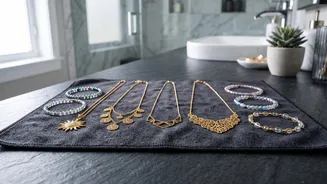
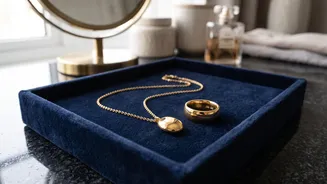
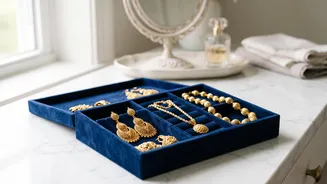
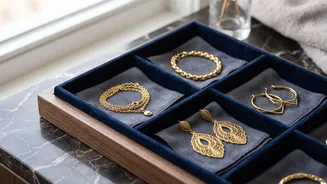
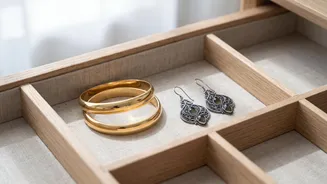
How you store your jewellery is just as important as how you wear and clean it. Tossing pieces into a dish or leaving them in a humid bathroom is a recipe for scratches and tarnishing. The best practice is to store each piece separately to prevent them from rubbing against and scratching each other. Use individual soft pouches or a fabric-lined jewellery box with separate compartments. Keeping your jewellery in a cool, dry place away from direct sunlight and humidity is essential. For extra protection, especially in humid climates, consider using anti-tarnish bags or adding a silica gel packet to your storage container to absorb excess moisture.
Mindful Daily Wear
Friction from daily activities is a quiet but consistent force that wears down plating. Rings are particularly susceptible due to constant contact with surfaces. It's wise to remove your plated jewellery before doing manual tasks, lifting heavy items, or during activities that cause repetitive rubbing. Even sleeping in your jewellery can cause unnecessary friction against fabrics and accelerate wear. A great habit is to rotate your pieces. Giving your favourite items a day off not only allows them to 'rest' from exposure but also ensures your entire collection gets worn and loved, extending the life of each piece.