

Our Weather Beyond the Sky
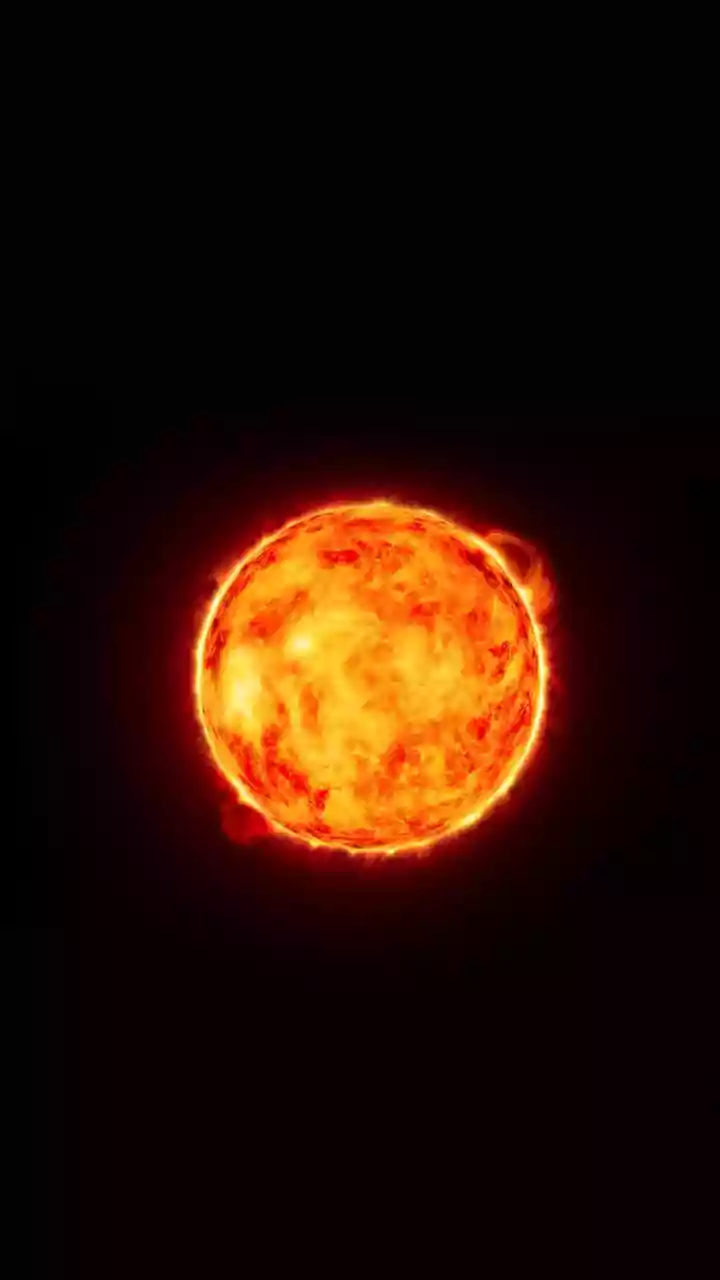
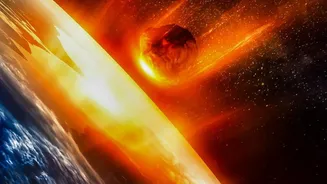
When we think of weather, we picture rain, wind, and sun. But there’s another kind of weather that originates 93 million miles away, on the surface of our Sun. Known as space weather, it refers to the massive eruptions of energy and particles from the Sun,
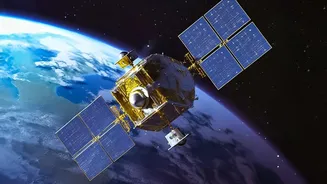
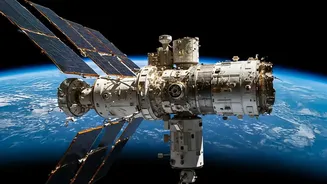
including solar flares and coronal mass ejections (CMEs). These events send waves of radiation and charged particles hurtling through space. While Earth’s magnetic field protects us on the ground, the satellites orbiting above our planet are on the front lines, exposed to this turbulent environment.
The High-Stakes Risk to Satellites
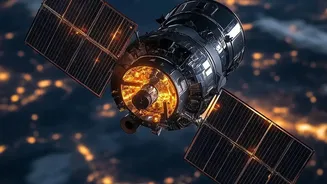
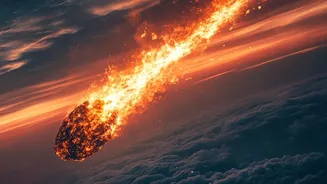
The services we take for granted are highly vulnerable. Energetic particles from a solar storm can penetrate and damage critical satellite electronics, causing everything from temporary malfunctions to complete failure. This can disrupt satellite TV broadcasts, weather forecasting, and vital communication networks. Furthermore, solar storms can heat and expand Earth's upper atmosphere, increasing the drag on satellites in low-Earth orbit. This extra friction can cause them to lose altitude and, in severe cases, even burn up. In February 2022, a geomagnetic storm was blamed for the loss of up to 40 newly launched Starlink satellites, highlighting the real-world financial and operational risks.
Distorting Our Sense of Direction
One of the most significant impacts is on the Global Positioning System (GPS) and other navigation satellite systems. These systems work by sending precise radio signals from space to a receiver on the ground. During a solar event, the ionosphere—a layer of Earth's upper atmosphere—can become disturbed, distorting these signals. This can reduce GPS accuracy from a few feet to several meters, a dangerous prospect for aviation, shipping, and precision agriculture, which rely on exact positioning. In the most extreme cases, the signal can be lost entirely. The economic impact of such outages could be immense, affecting everything from financial systems that use GPS for timing transactions to emergency services navigating to a crisis.
The Push for Better Forecasts
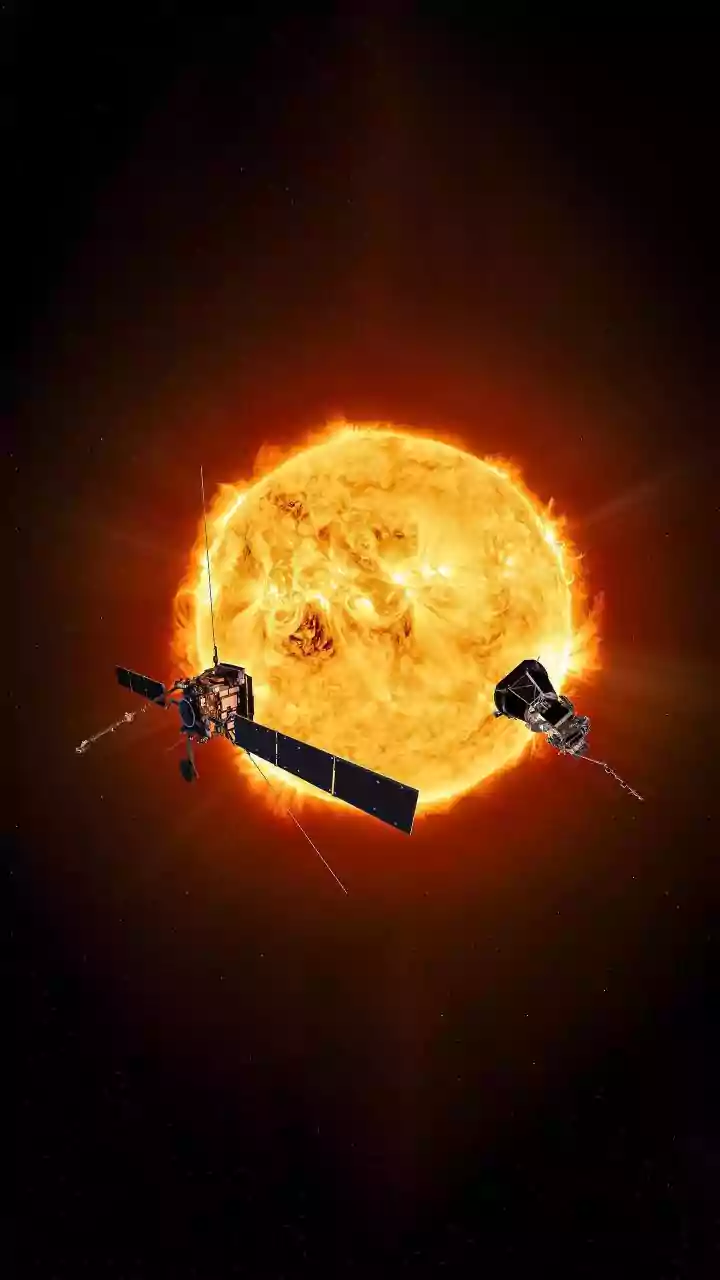
Just like terrestrial weather forecasting, predicting space weather is a complex science. Historically, warnings for incoming geomagnetic storms might only provide minutes of notice, which is not enough time for satellite operators to take protective measures. To improve this, scientists rely on a network of space-based observatories that constantly monitor the Sun. Missions like NASA's Solar Dynamics Observatory (SDO) and the joint NASA/NOAA Geostationary Operational Environmental Satellites (GOES) program provide crucial data on solar activity. But to truly enhance our predictive power, we need to see these storms coming much earlier and with greater detail.
New Tools Bringing a Clearer View
A new generation of science missions is poised to revolutionize space weather forecasting. Recently launched projects like NASA's PUNCH mission use a constellation of small satellites to track the solar wind and coronal mass ejections in 3D as they travel from the Sun. This provides a much more complete picture than previous single-point observations. In Europe, the European Space Agency's upcoming Vigil mission and the recently deployed SOLAR-1 satellite are designed to provide early warnings. The UK-built MAGIC instrument, set to launch in 2027, aims to measure the Sun's magnetic field far from Earth, potentially extending advance warnings for severe storms from tens of minutes to several hours.
From Data to Daily Reliability
Better science translates directly into more reliable services. With hours of advance warning, satellite operators can take action to protect their assets. They can reorient satellites to shield sensitive components, temporarily shut down non-essential systems, or prepare to correct orbital changes caused by atmospheric drag. For consumers and businesses, this proactive protection means a lower risk of service interruptions. It ensures the stability of everything from ATM transactions and credit card payments to the navigation apps that guide us. Improving space weather predictions has been shown to enhance GPS accuracy and reduce mission delays and the risk of satellite collisions. Ultimately, investing in space weather science is an investment in the resilience of our global economy and the technological systems that underpin it.