


More Than a Tool, A Creative Co-Pilot
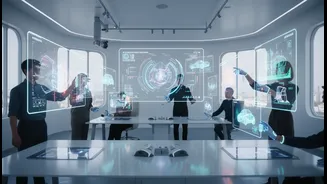
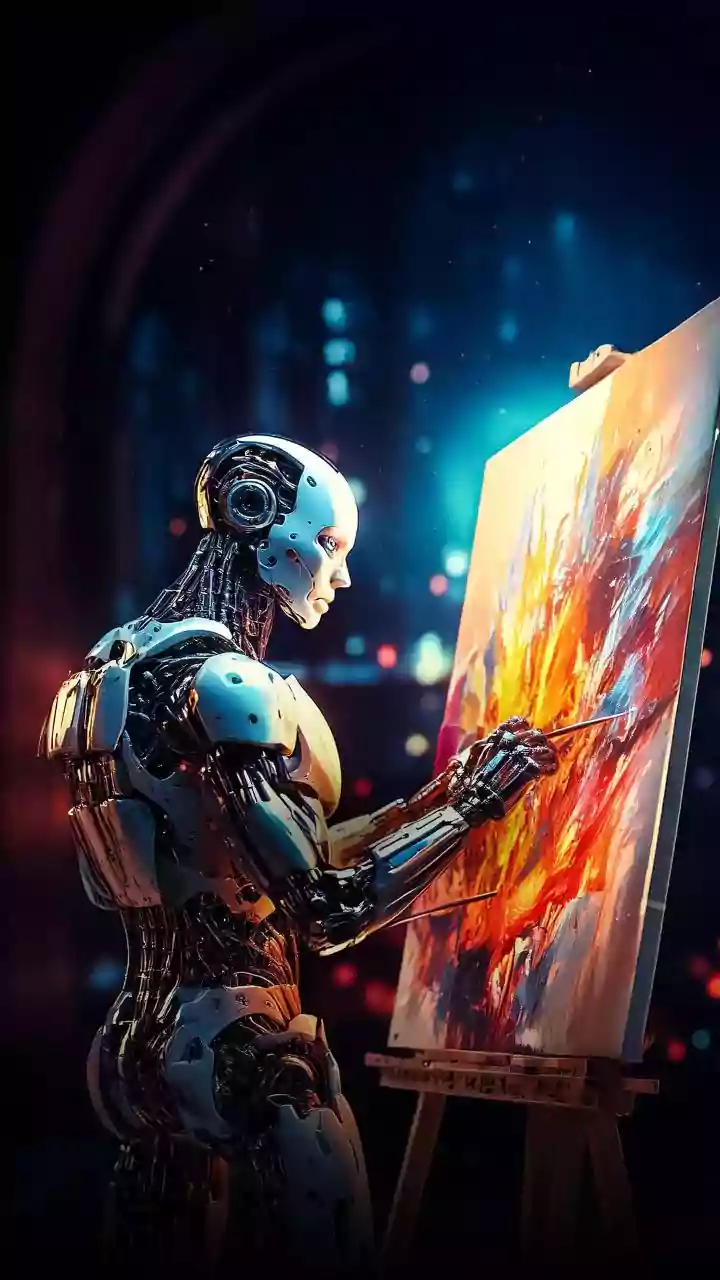
When we think of generative AI, we often think of generating text or images from a prompt. But for startup design teams, its role is becoming far more profound. It's evolving into a collaborative partner that's deeply integrated into the creative process.
Instead of replacing designers, AI acts as a co-pilot, handling repetitive and time-consuming tasks. This includes creating dozens of wireframe variations, generating placeholder content, or producing entire sets of branding materials from a single concept. This automation frees up human designers to focus on what they do best: high-level strategy, creative problem-solving, and ensuring the final product resonates emotionally with users.
The Speed and Cost Advantage
For startups, where resources are tight and the pressure to launch is immense, this partnership is a game-changer. Generative AI can reduce product development timelines by weeks, or even months. Tasks that once required significant manual effort, such as creating mockups for A/B testing or developing a full suite of marketing assets, can now be accomplished in a fraction of the time. One study noted that using AI in design can reduce time-to-market by 20-30%. This acceleration doesn't just save money on design and development costs; it allows startups to iterate faster, respond to market feedback more quickly, and get their minimum viable product (MVP) in front of customers sooner.
Fostering a New Wave of Innovation
Beyond efficiency, generative AI is also a powerful engine for innovation. By generating a vast number of design possibilities from a few simple constraints, AI tools help teams break free from their usual thinking patterns and explore unconventional solutions. A fashion startup, for instance, might use an AI tool to generate hundreds of realistic sneaker designs with different materials and colorways to gauge public interest on social media before committing to a single production run. This ability to rapidly explore and test a wide array of ideas helps small teams punch above their weight, allowing them to personalize user experiences and differentiate themselves in crowded markets.
The Evolving Role of the Human Designer
The rise of the AI design partner doesn't signal the end of the human designer. Instead, it marks an evolution of the role. The focus is shifting away from pure execution and toward creative direction. In this new paradigm, the designer acts as a curator, guiding the AI, refining its outputs, and making the critical strategic decisions that machines cannot. They bring the essential human elements of context, empathy, and ethical judgment to the process. In fact, many executives believe the risks and nuances of AI mean that a designer's strategic involvement in projects will actually increase, not decrease. The most successful designers will be those who learn to collaborate with AI, using it as a tool to amplify their own creativity and strategic value.