






The Old Measure of a Monsoon
Traditionally, the success of a monsoon season was measured in total volume. We looked at the percentage of rainfall against the Long Period Average to declare a season 'normal', 'deficient', or 'excess'. This single metric guided everything from agricultural
planning to water management for our reservoirs. A 'good' monsoon meant steady, widespread rain over the four-month season. But this old yardstick is becoming dangerously obsolete. Recent years have presented a paradox: regions can report a 'normal' or even 'deficient' monsoon overall, yet still suffer from catastrophic flooding. This highlights a critical shift in our climate—the character of the rainfall has changed.
When Rain Falls Too Fast
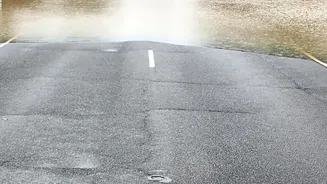
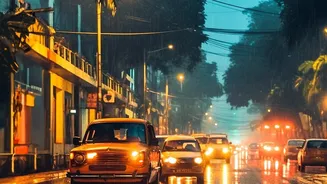
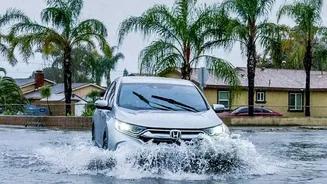
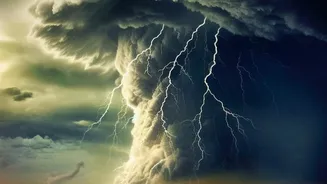
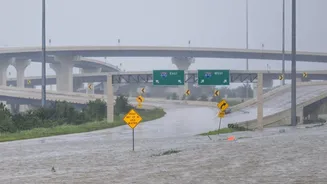
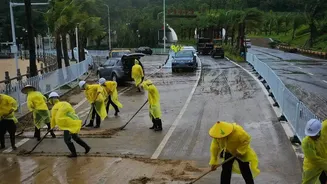
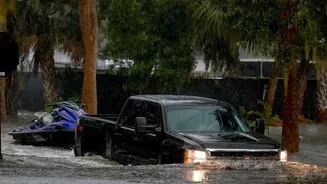
The core of the problem lies in the shift from gentle, prolonged showers to short, intense downpours. When rain falls steadily over many days, the ground has time to absorb it, replenishing vital groundwater tables and feeding rivers at a manageable pace. However, when the same amount of rain is dumped in just a few hours, the earth simply cannot soak it up fast enough. This phenomenon is particularly destructive in cities. Rapid and often unplanned urbanisation has replaced permeable soil with impermeable concrete and asphalt. With nowhere to go, the massive volume of water from a short, extreme rainfall event becomes surface runoff, overwhelming decades-old drainage systems and turning streets into raging torrents.
A Tale of Two Crises: Floods and Droughts
This new pattern of erratic rainfall creates a dual crisis, often in the same regions. Long dry spells, known as 'breaks' in the monsoon, are becoming more frequent and extended. For farmers, this means crops can wither in the fields for weeks. When the rain finally does come, it arrives as a deluge that can wash away seedlings and topsoil, causing widespread crop failure. This leaves agricultural communities in a precarious position, caught between drought-like conditions and sudden, destructive floods. A state might face a significant rainfall deficit for the season but be forced to deal with devastating floods in between the dry periods, a situation that strains emergency resources and creates profound uncertainty for millions who depend on agriculture.
The Fingerprint of a Warming World
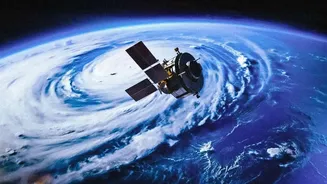
Scientists widely agree that this increased variability is a direct consequence of climate change. A warmer atmosphere can hold more moisture. This leads to an increase in the intensity of rainfall events; for every degree Celsius of warming, monsoon rainfalls are projected to increase by about 5%. The rapid warming of the Indian Ocean, in particular, is altering atmospheric circulation patterns that have governed the monsoon for millennia. While natural variability has always been a part of the monsoon, human-induced greenhouse gas emissions have become the dominant driver of these stronger, more erratic patterns since the 1980s. The result is a monsoon season that is less a predictable rhythm and more a series of extreme weather shocks.
Adapting to the New Normal
Simply hoping for the old, predictable monsoon to return is not a viable strategy. Adapting to this new reality is critical for India's future. This means fundamentally rethinking how we manage water and plan our cities. Urban infrastructure needs a massive overhaul, moving towards designs that can handle intense, short-duration storms—often called 'sponge cities'—which incorporate more green spaces and permeable surfaces to absorb runoff. For agriculture, it requires investing in climate-resilient crops, improving irrigation efficiency to weather dry spells, and developing more sophisticated weather forecasting systems that predict not just the amount of rain but its likely impact. The challenge is no longer just about managing scarcity or excess, but about building resilience to increasing volatility.