


What is Chandrayaan-4?
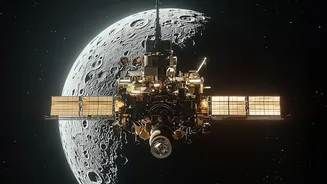
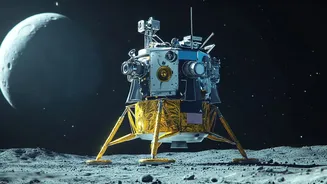
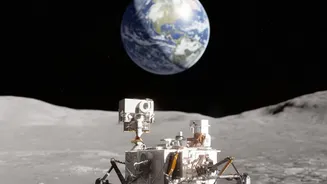
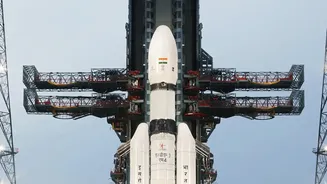
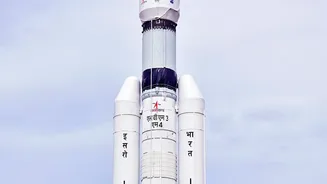
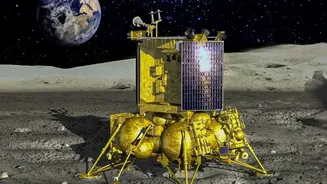
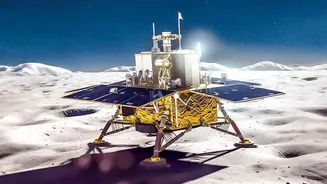
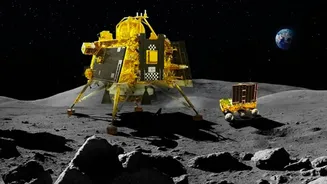
Chandrayaan-4 represents the next great leap for India's lunar exploration program. After the triumphant soft landing of Chandrayaan-3, ISRO is now planning a highly complex robotic sample-return mission. The goal is to land on the Moon, use a robotic arm
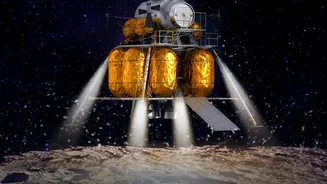
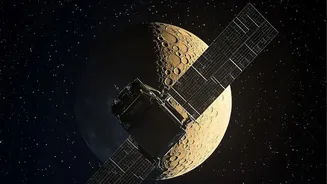
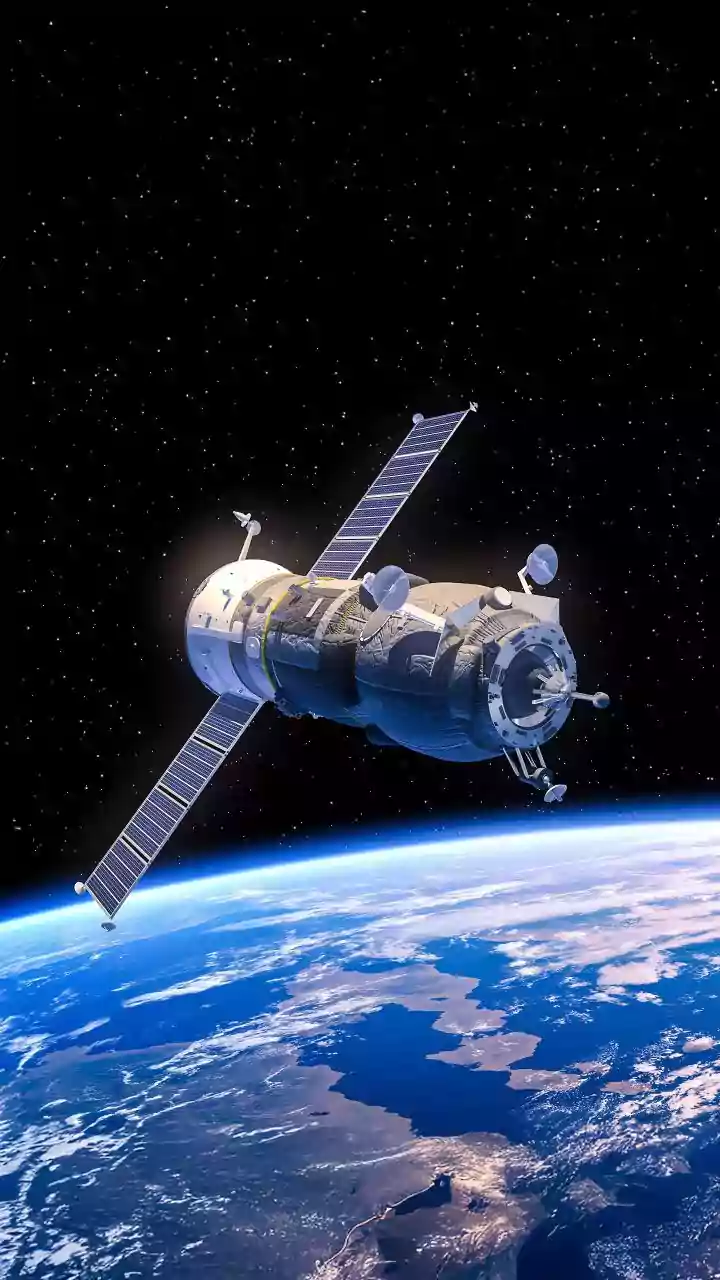
to collect surface and subsurface soil (regolith) and ice, and then launch those samples back to Earth for detailed study. This ambitious undertaking involves multiple spacecraft modules that will perform a series of sophisticated manoeuvres, including landing, collecting, ascending from the Moon, and docking in lunar orbit before the journey home. A successful mission would make India only the fourth country to ever bring back materials from the lunar surface.
The Treasure in a Frozen Time Capsule
The prime target for Chandrayaan-4 is the Moon's south polar region, an area of immense scientific interest. This region contains permanently shadowed craters, where sunlight has not reached the crater floors for billions of years. These ultra-cold, dark environments act as celestial freezers, trapping water ice that was likely delivered by comets and asteroids long ago. Returning pristine samples of this ice is a top priority. Scientists believe this ice is a time capsule that holds clues about the early solar system, including the origin of water. By analysing its composition, researchers hope to understand how water and other volatile compounds were distributed throughout our cosmic neighbourhood, which could even shed light on how life-giving water arrived on Earth.
Reading the Moon’s Violent History
The Moon has no atmosphere, weather, or plate tectonics to erase its history. Its surface is a preserved record of over four billion years of cosmic events, particularly the relentless bombardment by asteroids and comets. The soil, or regolith, that Chandrayaan-4 will collect is the product of these impacts. By analysing these samples in labs on Earth, scientists can determine the age and composition of different layers, creating a detailed timeline of the so-called 'Late Heavy Bombardment'—a chaotic period when the inner planets were pummeled by debris. This provides a crucial reference point, as the Moon's history of impacts directly mirrors what Earth also experienced in its early, formative stages.
The Moon as a Rosetta Stone for Earth
Because Earth is geologically active, rocks from its earliest history have been recycled and destroyed. The Moon, in many ways, holds the history that Earth has lost. Lunar rocks are a 'Rosetta Stone' for understanding the early solar system. The soil samples can also hold clues about the history of our Sun. With no atmosphere for protection, the lunar surface has been soaking in solar wind and radiation for eons. These particles are embedded in the soil, offering a physical record of the Sun's activity and evolution over billions of years. Studying this record can help scientists model how the young, more volatile Sun might have affected the atmospheres of planets like Earth and Mars.
Paving the Way for Future Exploration
Beyond its scientific goals, Chandrayaan-4 is a critical technology demonstrator. Mastering the complexities of a sample-return mission—from robotic collection to automated docking in lunar orbit and high-speed atmospheric re-entry—paves the way for even more ambitious projects. These technologies are foundational for future long-term human habitats on the Moon, as the polar ice could potentially be used for drinking water, breathable oxygen, and even rocket fuel. Furthermore, the mission is a stepping stone for India's long-term goal of sending astronauts to the Moon by 2040, providing vital experience in missions that return from the Moon to Earth.