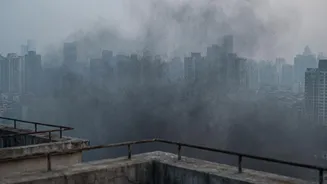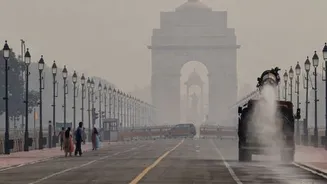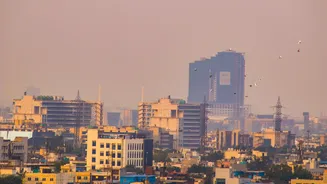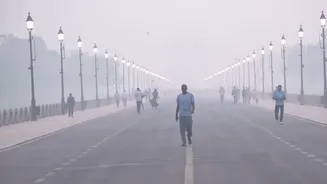







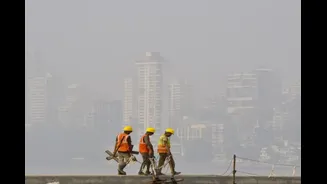
Delhi's Air Slips Into 'Poor' Territory
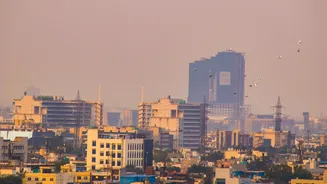
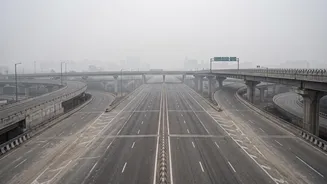
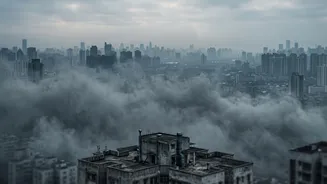
This week, Delhi recorded its first 'poor' air quality days of the season, with the Air Quality Index (AQI) climbing to 244 on Wednesday, the highest in over three months. This rating indicates that the air can cause breathing discomfort to most people
upon prolonged exposure. Officials have already implemented Stage I of the Graded Response Action Plan (GRAP), a set of anti-pollution measures to prevent further deterioration. Forecasts suggest the air quality is likely to remain in the 'poor' category for several days, driven by a combination of factors that plague the city every year as winter approaches.
Why Is The Air Quality Worsening Now?
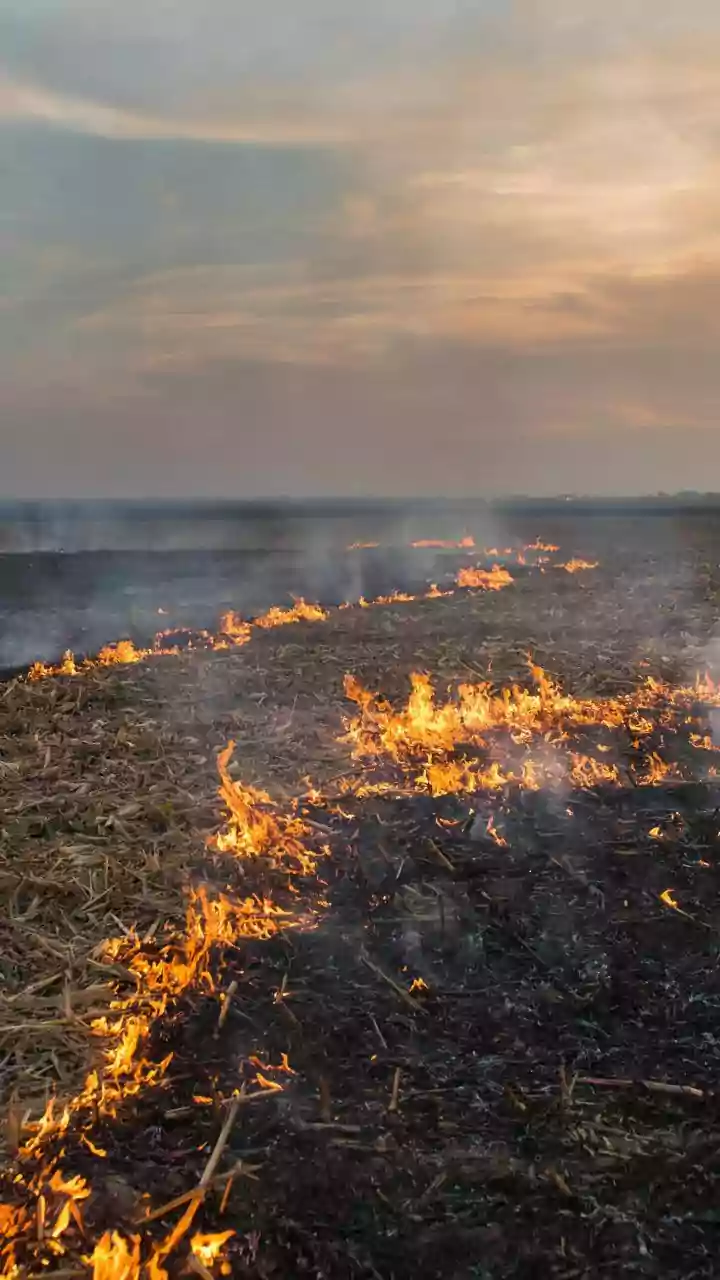
The annual decline in Delhi's air quality is not accidental. It's a predictable crisis fueled by several converging factors. A major contributor is stubble burning in neighboring agricultural states, with smoke traveling into the capital region. This coincides with meteorological shifts; as temperatures fall, cooler, heavier air traps pollutants closer to the ground, preventing them from dispersing. This phenomenon is made worse by local pollution from vehicle emissions, which remain a significant source, construction dust, and industrial output. Recent festivities have also been cited as contributing to the spike in particulate matter.
Common Symptoms of Pollution Exposure
When the AQI is high, your body is the first to notice. Short-term exposure to pollutants like PM2.5 and PM10 can trigger an immediate inflammatory response. The most common symptoms include a persistent dry cough, a scratchy or irritated throat, and itchy or watery eyes. Many people also experience headaches, fatigue, and a runny nose or sinus congestion. For individuals without pre-existing conditions, these symptoms are often the body's first line of defense against the toxic air. However, these same symptoms can also be the initial signs of a more severe reaction.
Self-Care for Mild Irritation
For mild symptoms like a slight throat tickle or an occasional cough, there are several steps you can take at home to find relief and prevent them from worsening. Staying well-hydrated by drinking plenty of water can help soothe an irritated throat. Gargling with warm salt water is another effective remedy. It's crucial to minimize further exposure by staying indoors as much as possible, especially during early morning and evening hours when pollution levels are often at their highest. Using an air purifier indoors can significantly improve air quality in your home. When you must go out, wearing a well-fitted N95 or FFP2 mask is essential to filter out harmful particulates.
Red Flags: When to See a Doctor
It is critical to distinguish mild irritation from symptoms that demand professional medical assessment. You should consult a doctor if you experience persistent or severe coughing that doesn't subside. A key warning sign is shortness of breath or a feeling of chest tightness, which indicates that the pollution is affecting your lung function more seriously. Other red flags include wheezing (a high-pitched whistling sound when you breathe), dizziness, or unusual fatigue. Anyone with pre-existing conditions like asthma, chronic obstructive pulmonary disease (COPD), or heart disease should be especially vigilant, as poor air can severely exacerbate their condition. Do not wait for these symptoms to become unbearable before seeking help.
Protecting Vulnerable Family Members
While everyone is affected by poor air, some groups are far more vulnerable. Children, the elderly, and pregnant women face higher risks from pollution exposure. Children's lungs are still developing, making them susceptible to long-term damage from inhaling toxic air. Older adults may have weaker respiratory and cardiovascular systems, making them prone to severe complications. For these groups, even 'moderate' or 'poor' AQI days can be dangerous. It is vital to ensure they limit outdoor activities, use high-quality masks, and stay in environments with purified air. Pay close attention to any complaints of breathing difficulty from children or elderly relatives, as they may not be able to articulate their symptoms clearly.