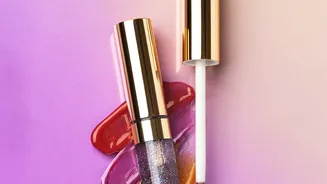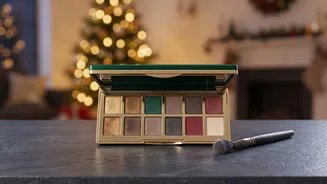








Diwali is a time for light, joy, and celebration, and what better way to reflect that spirit than with a touch of sparkle? Glittery eye makeup is a festive staple, but its dazzling effect can come with a hidden risk, especially for sensitive eyes.
The Allure and the Dangers of Glitter
Glitter
makeup is a popular choice for festive occasions, but ophthalmologists and makeup experts alike urge caution. Loose glitter particles can easily fall into the eye, causing irritation, redness, and a gritty sensation. More seriously, the sharp edges of some glitter can cause a corneal abrasion, which is a scratch on the delicate surface of the eye. These tiny injuries can be painful and, if left untreated or if they become infected, can lead to more severe complications. The risk is even higher for those who wear contact lenses, as particles can get trapped under the lens, increasing irritation and the potential for scratches.
Not All Glitter is Created Equal
The single most important step for eye safety is choosing the right product. There's a crucial distinction between 'craft glitter' and 'cosmetic-grade glitter'. Craft glitter, the kind used for art projects, can be made from materials like metal or glass and is cut into irregular shapes like squares or hexagons. These sharp-edged particles are not safe for skin and can be particularly hazardous if they enter the eye. Cosmetic-grade glitter, on the other hand, is specifically designed for use on the skin. It is made from non-toxic plastics like PET, and the particles are typically smaller, rounder, and more uniform to minimize the risk of scratching and irritation. Always check product labels to ensure the glitter is intended for cosmetic use near the eyes. Even some cosmetic glitters with larger or more unique shapes are not recommended for the immediate eye area.
Mastering Safe Application
How you apply your glitter is just as important as the product you choose. Start with a clean, prepped eyelid and always use a glitter glue or a dedicated cosmetic adhesive to give the particles something to stick to. This prevents fallout. Apply the adhesive in a thin, even layer, then gently pat the glitter on top using a flat brush or your fingertip. Work on one eye at a time to prevent the glue from drying too quickly. Crucially, avoid applying glitter on your waterline—the inner rim of your eyelid. This area contains oil glands essential for eye health, and blocking them can lead to dryness and irritation. It also places the glitter in a prime position to fall directly into your eye.
The Gentle Removal Process
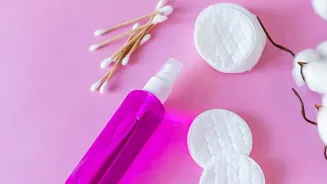
At the end of the night, no matter how late, proper removal is non-negotiable. Never aggressively rub your eyes to get glitter off; this is a common way people scratch their corneas. The safest method is to use an oil-based makeup remover or micellar water. Soak a cotton pad and press it gently onto your closed eyelid for several seconds. This allows the oil or remover to dissolve the adhesive, letting the glitter wipe away softly without scrubbing. For any stubborn stray particles on the face, you can gently lift them off with a piece of makeup tape. If you do get glitter in your eye, resist the urge to rub. Try to flush it out by blinking or using sterile saline or artificial tears.