



For decades, dining out in India’s major inland cities meant a familiar rotation of Punjabi and Mughlai dishes. But a flavourful tide is turning. Suddenly, the tangy, spicy, and coconut-rich cuisines of India's coastline are captivating urban palates.
A Fresh Wave on the Urban Menu
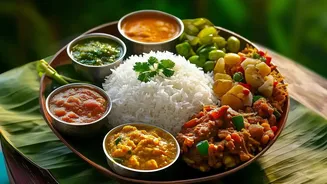
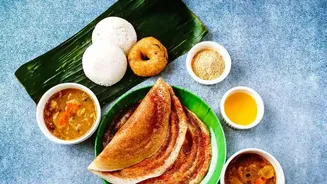
Walk into a trendy restaurant in Bengaluru, Delhi, or Hyderabad today, and the menu might tell a story of a place far from the city's borders. Dishes like Mangalorean ghee roast, Goan fish curry, and Malvani kombdi vade are no longer niche offerings but celebrated headliners. This shift marks a significant moment in India's food culture. For years, the restaurant scene was dominated by a homogenised version of 'Indian food', which often meant rich, creamy gravies from the north. Now, diners are actively seeking out the distinct culinary identities of the coastal states—from the sour tang of kokum in Konkan dishes to the sharp mustard of Bengali preparations and the subtle coconut notes of Keralan curries. This isn't just about trying something new; it's about discovering the vast, unexplored landscape of India's own culinary backyard.
The Search for Authenticity
The growing appetite for coastal food is part of a broader movement towards authenticity. Urban diners are more informed and adventurous than ever, driven by a desire to connect with the origins of their food. They are tired of the standardised butter chicken and paneer tikka that once defined an Indian meal out. Instead, they crave 'provenance'—knowing that a dish has a history, a connection to a specific place, community, and tradition. This desire for a genuine experience is pushing restaurateurs to move beyond generic curries and present food that is unapologetically regional. As a result, menus are becoming more specific, proudly announcing a dish's origins and celebrating ingredients like Gondhoraj lime from Bengal or spicy chillies from Andhra.
From Holiday Plates to City Tables
A key driver of this trend is the boom in domestic travel. As more Indians explore their own country, they are experiencing regional cuisines in their most authentic settings. A trip to Goa or Kerala is now as much a culinary journey as it is a beach holiday. Travellers return to their city homes with vivid memories of fresh seafood enjoyed in a beach shack or a flavourful curry sampled in a local toddy shop. This creates a powerful demand for those same tastes back in their home cities. People want to recreate those holiday experiences, and savvy restaurateurs are tapping into this nostalgia by opening eateries that serve the authentic flavours of the coast, satisfying a market that has tasted the real deal and wants more of it.
A Symphony of New Flavours
Beyond nostalgia and authenticity, the fundamental appeal lies in the flavours themselves. Coastal cuisines offer a stark, refreshing contrast to the heavier, dairy-laden dishes of the north. They are built on a different palate—one that is often lighter and more complex. Think of the tanginess of tamarind, the subtle sweetness of fresh coconut, the smokiness of certain spices, and the pungent kick of mustard and fresh chillies. These ingredients, combined with an abundance of fresh fish and rice, create dishes that feel both exciting and wholesome. For a diner accustomed to the familiar comfort of a creamy dal makhani, the sharp, aromatic punch of a Bengali fish curry or a spicy Chettinad preparation offers a thrilling new world of taste.
Chefs as Cultural Ambassadors
This culinary shift is also being championed by a new generation of chefs and entrepreneurs who are proud of their regional heritage. Many chefs from coastal states are moving to metro cities to open restaurants dedicated to the food they grew up with. They are not just cooking; they are acting as cultural storytellers, documenting family recipes and reintroducing lesser-known dishes to a national audience. By presenting their native cuisines with refinement and pride, they are challenging the old hierarchy of Indian food and proving that a simple, home-style Malvani dish can be just as sophisticated and desirable as a dish from a royal kitchen.