





Master Your Microclimate
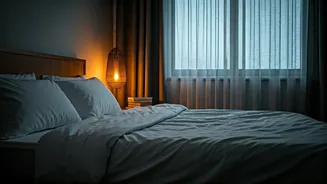
Your bedroom environment is the first line of defence against nighttime heat. The ideal temperature for sleep is surprisingly cool, typically between 15.5°C and 19.5°C. To achieve this, be strategic during the day. Keep blinds and curtains closed to block
solar heat from warming up the room. At night, if the outside air is cooler, open windows on opposite sides of the room to create a cross-breeze. Fans are also powerful tools. A ceiling fan should be set to run counter-clockwise in summer to pull hot air up and away. For a DIY cooling boost, place a shallow bowl of ice in front of a portable fan; the airflow will pick up the chilled, misty air and circulate it around the room.
Choose Breathable Bedding
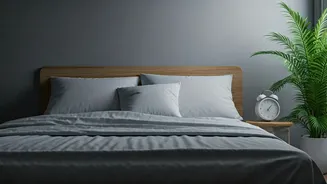
The fabrics you sleep on and under have a major impact on your comfort. Heavy, synthetic materials trap heat and moisture, while natural fibres are your best friends. Look for sheets made from lightweight, breathable materials like cotton, linen, or bamboo. A percale weave in cotton is particularly good for hot sleepers because it feels crisp and allows for excellent airflow, unlike denser weaves. Linen is naturally moisture-wicking, and bamboo is known for its soft, cool-to-the-touch feel. It might also be time to ditch the heavy duvet. Opt for just a top sheet or a lightweight, cooling quilt designed for summer use.
Cool Your Core Temperature
Your body has its own internal thermostat, and helping it cool down is a key trigger for sleep. A lukewarm or cool shower an hour or two before bed can help lower your core body temperature. As the water evaporates from your skin, it creates a cooling effect that signals to your body that it's time to rest. You can also apply cold compresses or a damp washcloth to pulse points like your wrists, neck, and ankles. For a more direct approach, some people find relief by chilling their pillowcase or even their top sheet in the freezer for a short time before bed. The initial shock of cold provides immediate relief as you drift off.
Adjust Your Evening Habits
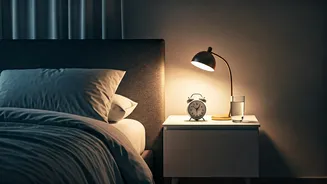
What you do in the hours leading up to bedtime matters. Avoid heavy meals close to bedtime, as the digestive process can raise your body temperature. Alcohol should also be limited; while it might make you feel drowsy initially, it often disrupts sleep later in the night and can contribute to dehydration. Staying hydrated throughout the day is crucial, so keep a glass of cool water by your bedside. It's also wise to avoid strenuous exercise too close to bedtime. Exercise raises your core temperature, counteracting the natural cool-down process your body needs to initiate sleep.
Sleep Strategically
Sometimes, the simplest tricks are the most effective. Consider what you wear to bed. Lightweight, loose-fitting cotton or moisture-wicking pyjamas are ideal, though sleeping naked is also a great option to maximize air circulation around your body. Your sleeping position can also play a role. Spreading out in a 'starfish' position, rather than curling up in a ball, allows more body surface area to be exposed to the air, helping heat dissipate more effectively. If you share a bed, creating a little extra space between you and your partner can also reduce shared body heat. Finally, if you live in a multi-story home, remember that heat rises. Sleeping on a lower floor, if possible, can often provide a cooler environment.