


The Legend of the Ghost
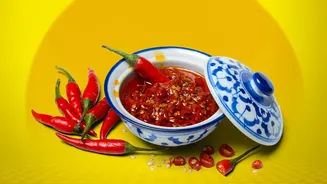
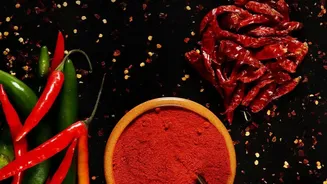
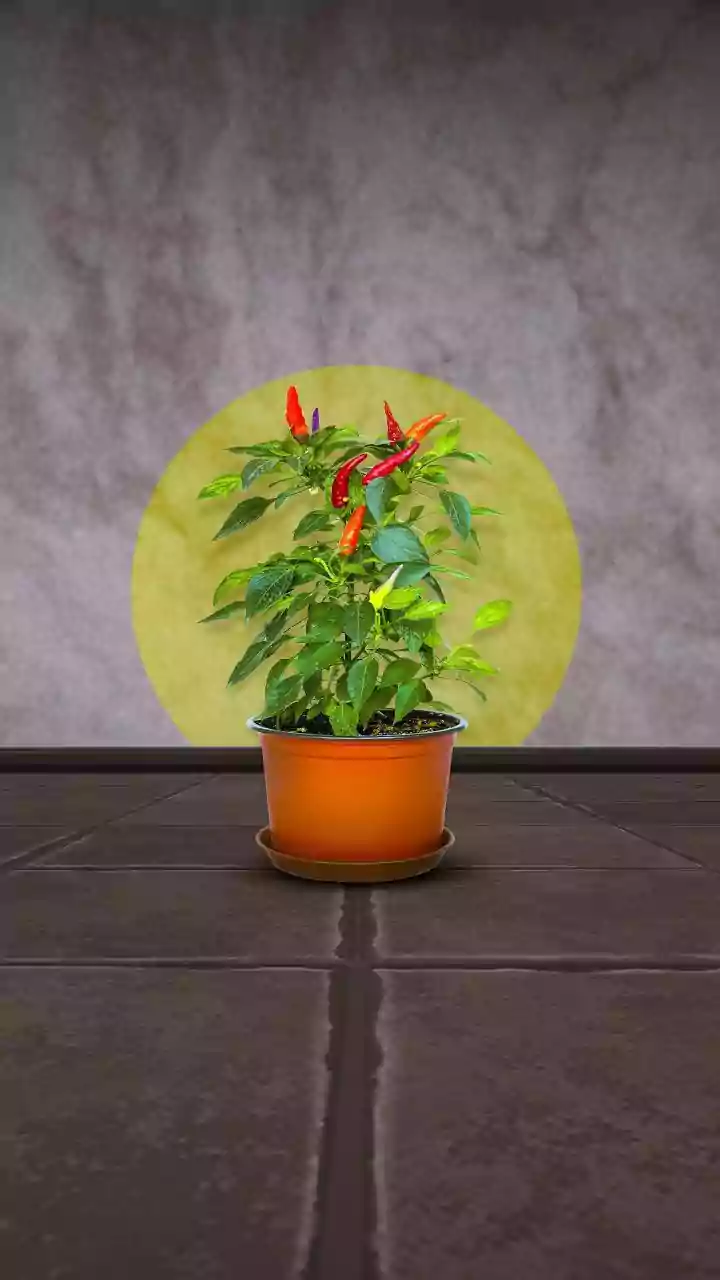
So, what exactly is this formidable pepper? Bhut Jolokia, famously mistranslated as 'ghost pepper', hails from the Northeast Indian states of Assam, Nagaland, and Manipur. For a period in the mid-2000s, it held the Guinness World Record for being the hottest
chili in the world. Clocking in at over 1 million Scoville Heat Units (SHU), it's more than 200 times hotter than an average jalapeño. This intense heat comes from a high concentration of capsaicin. But the name 'Bhut Jolokia' is a classic case of being lost in translation; in Assamese, 'Bhot' refers to Bhutan, suggesting the chili was historically sourced from Bhutanese traders, not a spectral presence. Known as 'Raja Mircha' (King Chili) in Nagaland and 'U-morok' (Tree Chili) in Manipur, its identity is deeply woven into the fabric of the region.
A Taste of Home
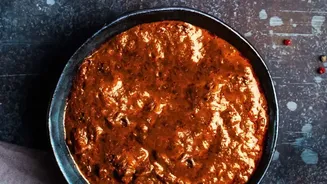
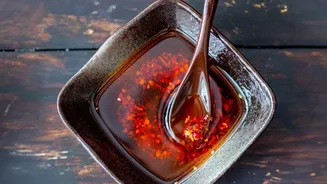
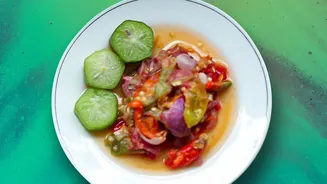
In its homeland, Bhut Jolokia is far more than a culinary dare; it's a way of life. For generations, it has been a staple ingredient, revered for its complex, smoky flavour, not just its blistering heat. Traditionally, it’s used to make fiery pickles preserved in mustard oil, added sparingly to curries for a profound depth of flavour, and enjoyed as a simple but potent accompaniment to rice and dal. Beyond the kitchen, it holds deep cultural significance. It has been used in herbal remedies for ailments like arthritis and stomach issues, and folklore tells of villagers using the chili on fences to deter wild elephants. This deep-rooted cultural importance highlights its role as a respected and integral part of daily life and heritage in the Northeast, a world away from the viral internet challenges it later inspired.
The Fire in Your Fusion
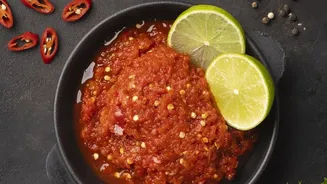
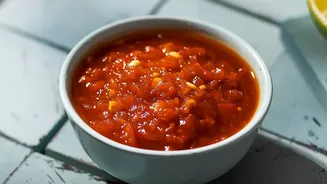
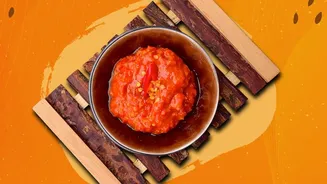
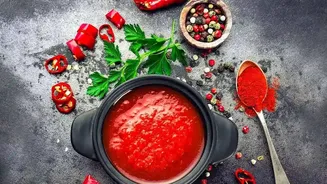
The real story today is how this regional icon is being embraced by urban culinary scenes. Tired of generic, one-dimensional spiciness, chefs and food entrepreneurs are turning to Bhut Jolokia paste to create memorable, high-impact fusion dishes. This isn't just about adding heat; it's about introducing a unique flavour profile that is authentically Indian yet excitingly new. You can now find ghost pepper sauce swirled into mayonnaise for gourmet burgers, offered as a blistering dip for fries, or used as a glaze for chicken wings. Some adventurous mixologists are even incorporating its smoky notes into cocktails. Brands have also popularised versatile sauces, encouraging home cooks to experiment with everything from spicy mac and cheese to fiery mashed potatoes. This shift from a traditional, regional ingredient to a versatile, modern flavouring agent is at the heart of the current trend.
More Than Just a Burn
Why is this happening now? The rise of Bhut Jolokia in urban cafes is part of a larger movement towards celebrating regional Indian cuisine. Diners, especially younger ones, are increasingly curious and adventurous, seeking out authentic flavours and compelling food stories that go beyond the standard butter chicken and paneer tikka that once dominated menus. Social media food bloggers and travel creators have played a significant role in introducing audiences to the diverse culinary traditions of the Northeast. There's a growing appreciation for ingredients with a clear origin and cultural identity. The Bhut Jolokia trend isn't just about a desire for extreme heat; it represents a maturing palate and a collective yearning for food that feels real, rooted, and full of character. It’s a delicious rediscovery of India's own pantry.