



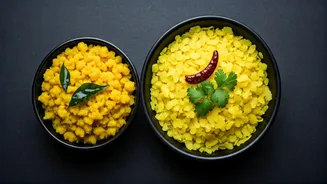


The Promise of the Weekend Feast
Weekends in modern India are often synonymous with culinary indulgence. We spend our weekdays scrolling through food apps, saving restaurant links, and planning elaborate cooking projects. The goal is to create or consume something 'special' — a rich
mutton curry, a perfectly layered biryani, a creamy pasta, or a table full of artisanal pizzas. These meals are an event. They require planning, a significant budget, and often, a post-meal food coma that consumes the rest of your Sunday afternoon. They are delicious, no doubt. They fill our Instagram feeds and give us a sense of occasion. But do they truly comfort us? Do they reset us for the week ahead? More often than not, the pressure to have a 'fancy' meal leaves us feeling more exhausted than rejuvenated.
The Soothing Power of Simplicity
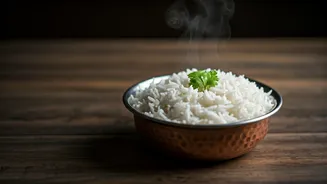
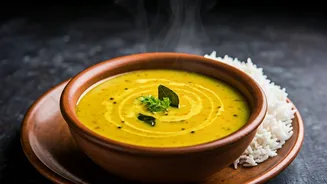
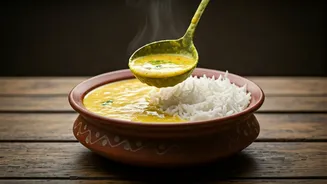
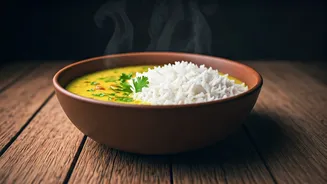
This is where Kadhi Chawal enters the picture, not with a bang, but with a warm, gentle embrace. There is a unique, almost therapeutic power in a bowl of simple, home-cooked food. Kadhi, a slow-simmered gravy of gram flour (besan) and sour curd (dahi), is a masterpiece of digestive wellness. It’s light, packed with probiotics, and gentle on a system battered by a week of stress and hurried meals. Paired with fluffy, steamed rice, it becomes more than just food; it’s a restorative experience. Unlike the heavy, fat-laden dishes we reserve for the weekend, Kadhi Chawal nourishes without overwhelming. It’s the culinary equivalent of a sigh of relief, a meal that calms your stomach and your soul in equal measure.
A Symphony of Flavour and Memory
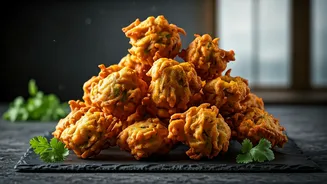
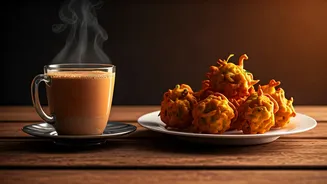
To dismiss Kadhi Chawal as 'simple' is to misunderstand its complexity. The magic lies in its perfect balance of flavours and textures. The tangy, savoury kadhi, spiced with turmeric, red chilli, and asafoetida (hing), creates a beautiful contrast with the bland, soft canvas of the rice. And within this framework lies a universe of regional variations. There’s the Punjabi version, thick and luscious, often studded with crispy onion pakoras. There’s the Gujarati kadhi, a thinner, sweeter concoction with notes of ginger and green chilli. The Rajasthani style is fiery and bold, while Maharashtrian Solkadhi offers a coastal twist with coconut milk. Each version tells a story of its land, but more importantly, it tells the story of home. For most of us, the taste of Kadhi Chawal is inextricably linked to the taste of our mother’s or grandmother’s cooking. It’s a direct line to our childhood.
An Antidote to 'Foodie' Culture
In an age obsessed with food trends, deconstructed dishes, and Michelin stars, Kadhi Chawal is a quiet rebellion. It doesn't demand to be photographed from the perfect angle. It doesn't require a special trip to a gourmet store for imported ingredients. It’s an unpretentious hero in a world of culinary show-offs. Its beauty lies not in its appearance but in its effect. It’s a meal designed to be eaten, enjoyed, and felt, not just displayed. It reminds us that the ultimate purpose of food isn't just to impress or entertain, but to provide comfort and contentment. The satisfaction from a perfect bowl of Kadhi Chawal is deep, personal, and doesn't require validation from a single 'like' or 'share'.