


The Core of the Matter: Festival Waste
Onam, Kerala's vibrant harvest festival, is synonymous with floral carpets (Pookkalams), grand feasts (Sadhya), and beautifully lit homes. However, the joyous celebrations frequently generate significant amounts of waste, from discarded plastic decor
and single-use plates to floral waste that ends up in landfills. While traditionally an eco-friendly event celebrating nature's bounty, modern conveniences have introduced materials like plastic garlands, thermocol, and LED lights that pollute the environment. The push for a 'Green Onam' by local bodies in Kerala highlights the growing urgency to address this issue, encouraging a return to more sustainable practices.
Reimagining the Pookkalam
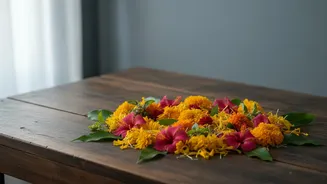
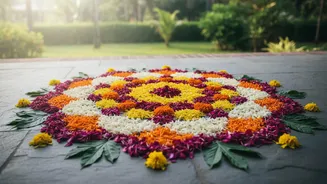
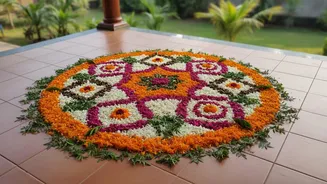
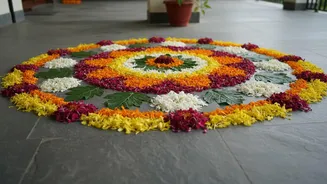
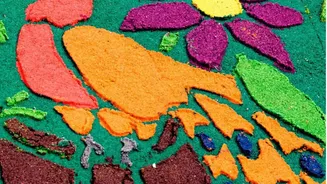
The Pookkalam is the heart of Onam decor, a stunning floral rangoli that traditionally grows for ten days. The most sustainable way to create one is by using locally sourced, fresh flowers like marigolds, jasmine, and hibiscus. These are biodegradable and can be composted after the festival, enriching the soil in a perfect cycle of renewal. Avoid plastic or dyed flowers, which lack the natural fragrance and texture. For those with limited access to fresh flowers, alternatives like coloured rice, pulses, or even DIY paper flowers from recycled materials can be creative and eco-friendly substitutes. The goal is to return to the earth what came from it.
Lighting Up, The Natural Way
The warm glow of lamps is essential to the festive ambiance. Instead of relying on plastic-heavy fairy lights that consume electricity and become tangled waste, consider traditional lighting. Earthen or terracotta diyas are an excellent, economical choice that adds a rustic charm. For a more lasting investment, high-quality brass lamps like the traditional Nilavilakku can be used year after year, becoming family heirlooms. Filling a brass 'Urli' with water, floating flowers, and a few tealights creates a stunning and reusable centrepiece that captures the serene essence of Onam.
Beyond Flowers: Doors, Walls, and Tables
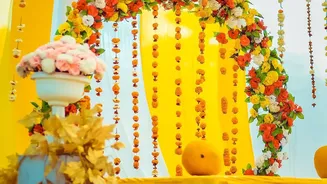
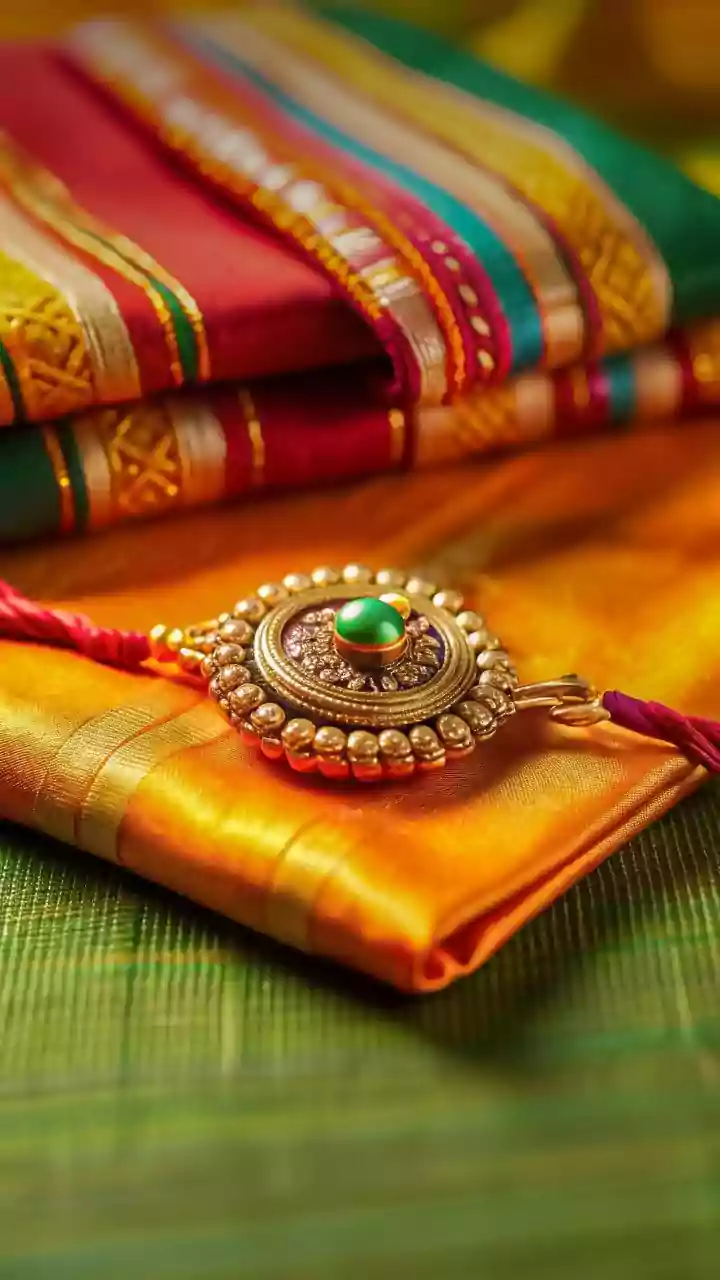
Decorations extend beyond the Pookkalam. Adorn doorways with 'thorans' (garlands) made from fresh flowers and mango or banana leaves instead of plastic versions. Banana leaves themselves are incredibly versatile and can be used as authentic, biodegradable table runners or placemats for the Onam Sadhya. Incorporating traditional handicrafts made from natural materials like wood, coconut shells, and handloom fabrics not only supports local artisans but also ensures your decor is sustainable and timeless. Items like Kathakali masks or miniature snake boats can be cherished long after the festival is over.
The Feast Without the Footprint
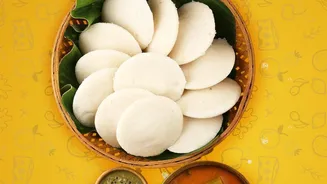
The Onam Sadhya is a grand feast, but it can also be a major source of waste if disposable plastics are used. The most traditional and eco-friendly way to serve the meal is on a fresh banana leaf, which can be easily composted. If banana leaves aren't practical, consider reusable tableware or biodegradable options made from palm leaves or bamboo. Avoiding single-use plastic cups, plates, and cutlery is one of the most significant steps you can take to reduce festival waste. This small change aligns perfectly with the festival's spirit of respecting nature's provisions.