




The Ultimate Safety Net
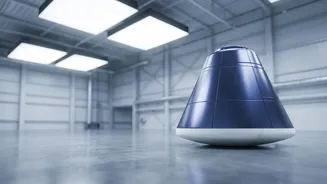
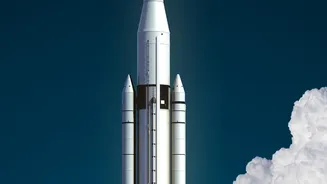
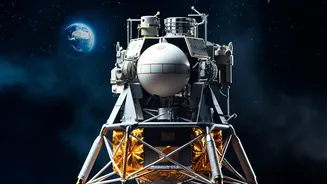
When you're sitting on top of a rocket packed with hundreds of tons of propellant, you want to know there’s an escape plan. For the Gaganyaan astronauts, that plan is the Crew Escape System (CES). It is a specially designed set of quick-firing rocket motors
attached to the top of the crew capsule. Its only job is to perform a single, dramatic act: if anything goes wrong during the launch sequence, it fires with immense force, pulling the crew module and its occupants away from the failing rocket to a safe distance. This system is the ultimate safety net, designed to work in the blink of an eye during the most vulnerable phase of a space mission.
A Trial by Fire
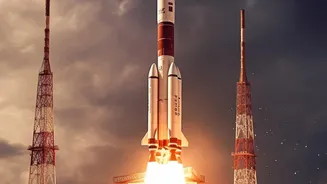
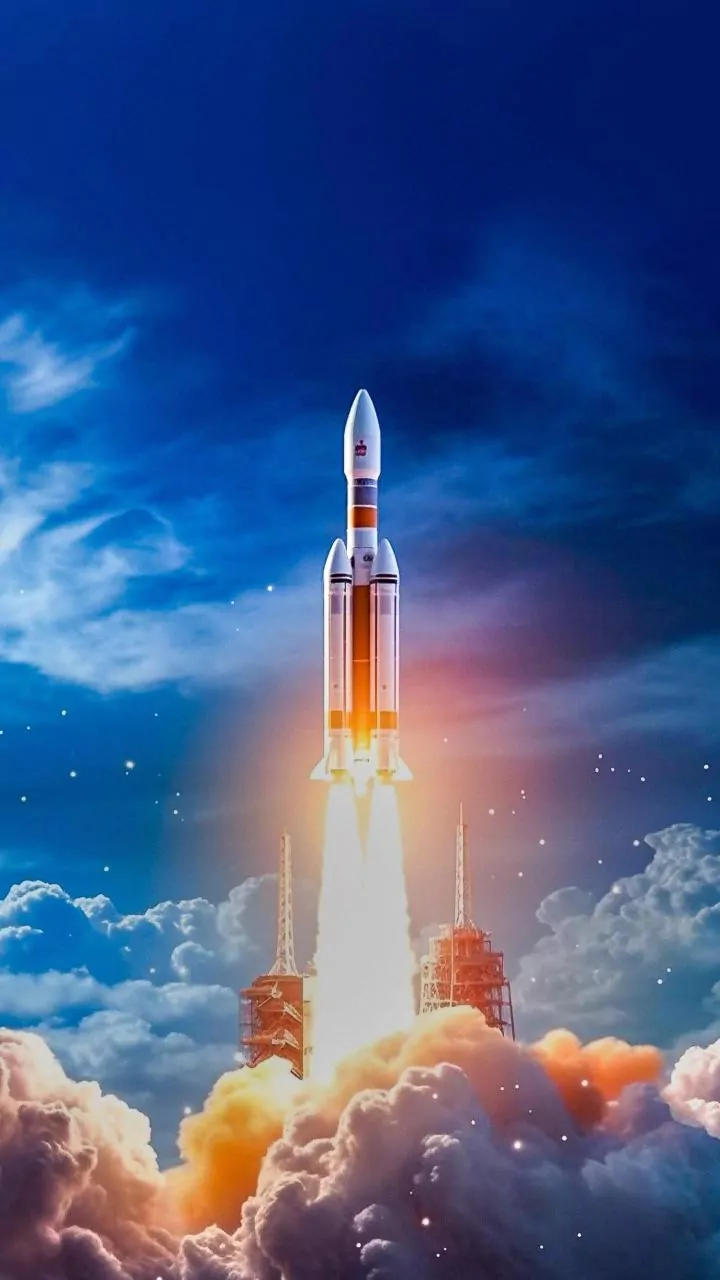
The latest milestone, achieved in late August 2026, was a high-stakes rehearsal of this very scenario. The test simulated an emergency during the ascent, specifically during the transonic phase when the rocket is travelling around 1.2 times the speed of sound and experiencing maximum aerodynamic stress. A test vehicle carrying a boilerplate crew module and a fully functional Crew Escape System was launched to a specific altitude. An abort was deliberately triggered, and the CES performed flawlessly. Its powerful motors ignited, separating the capsule from the rocket and propelling it away at high speed. After reaching a safe altitude, the system deployed its parachutes for a controlled descent, culminating in a gentle splashdown in the Bay of Bengal. This successful end-to-end demonstration proved the system works exactly as designed under realistic flight conditions.
Why This Milestone is Critical
Sending humans to space is exponentially more complex than launching satellites, and astronaut safety is paramount. Every component of the Gaganyaan mission must be 'human-rated', meaning it's built with redundancies and has been tested to the highest possible standards of safety and reliability. The Crew Escape System is arguably the most critical of these safety features. Previous tests, like the Pad Abort Test in 2018 and the TV-D1 mission, validated parts of this system, but this recent test integrated multiple elements in a full-flight simulation. Its success builds immense confidence within ISRO, confirming that the life-saving technology for the Gaganyatris is robust and dependable, a non-negotiable prerequisite before putting humans on board.
The Road Ahead for Gaganyaan
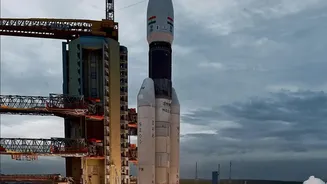
With the crew's emergency exit plan now validated, ISRO can proceed with the next phases of the Gaganyaan programme with greater assurance. The focus will now intensify on the uncrewed flight missions. The first of these, the G1 mission, is scheduled for the last quarter of 2026 and will feature the humanoid robot 'Vyommitra'. Vyommitra will occupy the astronaut's seat, and its sensors will monitor vital parameters inside the cabin, such as temperature, pressure, and vibrations, to simulate a human presence and gather crucial data. This uncrewed flight will test the entire mission profile—from launch and orbit to re-entry and recovery—before the four decorated Indian Air Force test pilots selected for the mission undertake their historic journey.