



What Exactly Is the Skin Barrier?
Think of your skin barrier as a tiny, powerful security guard. It's the outermost layer of your skin, scientifically known as the stratum corneum. Its structure is often compared to a brick wall: the skin cells are the 'bricks', and natural fats like
ceramides, cholesterol, and fatty acids are the 'mortar' holding them together. This wall has two critical jobs: to keep good things, like moisture, locked in, and to keep bad things, like pollutants, irritants, and bacteria, locked out. When it's working properly, your skin feels hydrated, calm, and resilient.
Why Is Everyone Suddenly Talking About It?
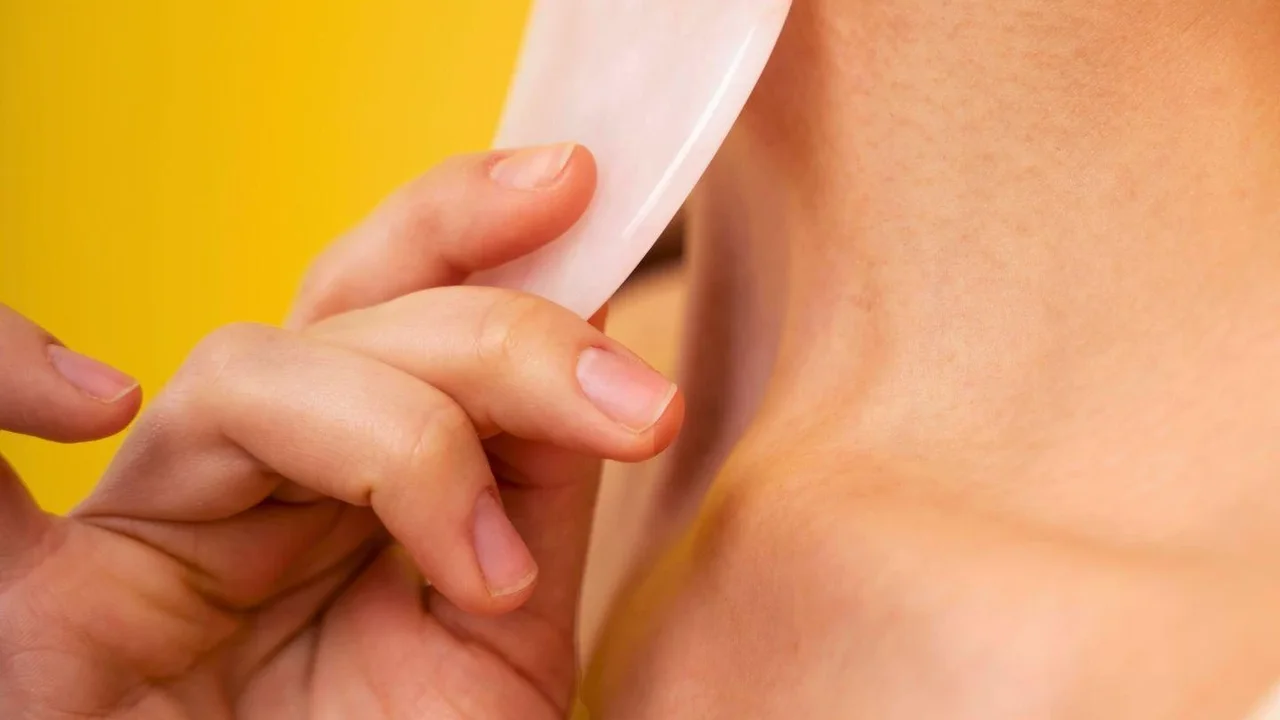
The focus on barrier care is a direct response to the skincare culture of the last decade, which often preached that stronger is better. Many people, armed with high-strength acids, powerful retinoids, and aggressive exfoliating tools, unintentionally damaged their skin's protective layer. This led to a widespread increase in sensitivity, redness, and irritation. As a result, both consumers and experts are now embracing a more gentle, supportive approach. The philosophy has shifted from correcting flaws to creating a healthy environment where skin can thrive on its own. This 'skinimalism' movement prioritizes long-term health over temporary quick fixes.
Signs Your Skin Barrier Needs Help
A damaged barrier can't do its job effectively, and it will send you signals. Common warning signs include persistent dryness, tightness, or flakiness, even after you moisturise. Your skin might become newly sensitive, stinging or burning when you apply products that it used to tolerate just fine. You might also notice an increase in redness, inflammation, itchiness, or even acne breakouts, as the weakened barrier allows irritants and bacteria to penetrate more easily.
How to Repair and Protect Your Barrier
Repairing your skin barrier is about going back to basics. The first step is to simplify your routine. Gently press pause on harsh exfoliants and high-strength actives for a few weeks to give your skin time to recover. Instead, focus on cleansing with a mild, pH-balanced wash that doesn't leave your skin feeling stripped or tight. The next step is to add ingredients that replenish the 'mortar' in your skin's wall. Look for moisturisers and serums containing ceramides, which directly replace the lipids your barrier has lost. Niacinamide (a form of vitamin B3) is another hero ingredient, as it helps your skin produce its own ceramides, strengthening the barrier from within. Finally, ingredients like hyaluronic acid, glycerin, and panthenol help to draw in and lock down hydration, soothing and restoring comfort.
A Long-Term Strategy for Healthy Skin
Ultimately, caring for your skin barrier isn't a trend because healthy skin is never out of style. It marks a more educated and sustainable approach to skincare. When your barrier is strong, every other product in your routine—from vitamin C serums to retinoids—can work more effectively, with less risk of irritation. Rather than constantly fighting against your skin, barrier care is about working with it. It’s about building a foundation of resilience that supports all your other skin goals, whether that's targeting signs of aging, managing breakouts, or simply achieving a natural glow. This philosophy treats skin with respect, promoting lasting health that you can see and feel.