


Why Monsoons Weaken Your Gut
The arrival of the rains creates a perfect storm for digestive troubles. High humidity and moisture create an ideal breeding ground for bacteria and viruses, increasing the risk of food and water contamination. This leads to a spike in issues like bloating,
food poisoning, and gastroenteritis. Furthermore, our body's digestive fire, or 'Agni' as it's known in Ayurveda, tends to weaken during this season, making it harder to process heavy foods and leaving us feeling sluggish. The immune system also takes a hit due to fluctuating temperatures and increased exposure to pathogens, making us more vulnerable to seasonal infections. This is why supporting our gut health becomes particularly crucial during the monsoon.
The Power of Probiotics
The answer to these monsoon maladies lies in harnessing the power of 'good bacteria'. Fermented foods are rich in probiotics, which are live microorganisms that help maintain the natural balance of your gut flora. Think of them as a protective shield for your digestive system. They restore harmony in the gut, aid in digestion, improve the absorption of essential nutrients, and most importantly, bolster your immune system. Since roughly 70% of our immune system resides in the gut, a healthy microbiome is our first line of defense against the infections that are common during the rainy season. By consuming probiotic-rich foods, you actively strengthen your body's ability to fight off harmful bacteria and viruses.
A Tour of India's Fermented Delights
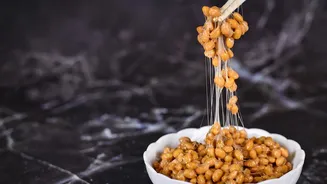
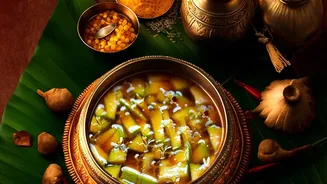
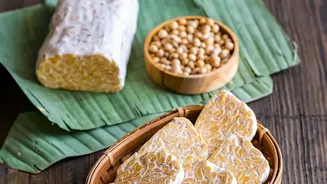
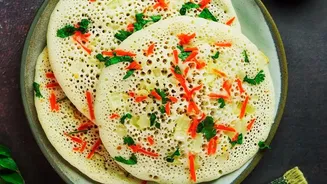
India’s culinary heritage is brimming with diverse and delicious fermented foods that go far beyond the universally loved Dahi (curd) and Chaas (buttermilk). In the South, the fermented batter of rice and lentils gives us light, digestible staples like Idli and Dosa. Gujarat offers Dhokla, a spongy, savory cake made from fermented chickpea flour. From the North comes Kanji, a tangy drink made by fermenting black carrots or beetroot, which is a fantastic source of probiotics. In the East, Pakhala or Panta Bhat, which is leftover rice soaked overnight to ferment, is a cooling and gut-friendly meal. The North-East offers unique ferments like Gundruk (fermented leafy greens) and Hawaijar (fermented soybeans), each packed with distinct flavours and health benefits. Even our traditional homemade Achaar (pickles), when prepared through lacto-fermentation without vinegar, are a potent source of good bacteria.
How to Embrace Fermentation
Incorporating these foods into your monsoon diet is simpler than it sounds. Start your day with idli or dosa. A bowl of fresh, homemade curd with lunch is perhaps the easiest way to get a daily dose of probiotics. A glass of buttermilk post-meal can aid digestion and prevent acidity. You can try making a simple Kanji at home with carrots, beetroot, and mustard seeds. When reaching for pickles, opt for homemade, sun-dried versions that use salt and oil for preservation, as most store-bought varieties use vinegar, which doesn't offer the same probiotic benefits. The key is to start small and listen to your body. Including a variety of these fermented foods can help diversify your gut microbiome and keep you resilient throughout the season.