






The Squeeze Is On
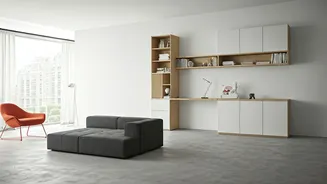
Across Mumbai, Bengaluru, Delhi, and beyond, the dream of a spacious home is giving way to the reality of compact apartments. This isn't a sign of compromise; it's a new design challenge. Millennial and Gen Z homeowners, in particular, are rejecting the idea
that a smaller home means a smaller life. Instead, they’re demanding interiors that are flexible, efficient, and stylish. This demand is fuelling a revolution in furniture design, pushing creators to think beyond static, single-purpose items and embrace a philosophy of transformation. The result is 'smart' furniture—pieces that work harder, adapt to our needs, and give us back the one thing we crave most: space.
What Makes Furniture 'Smart'?
The term 'smart' doesn't just mean it connects to your Wi-Fi (though some pieces do). In this context, smartness is about ingenuity and multi-functionality. It’s a bed that gracefully folds into a wall to reveal a desk. It's a coffee table that rises and expands to become a dining table for six. It's a sleek bookshelf that swivels to reveal a hidden storage closet. These aren't the clunky, awkward convertible pieces of the past. Today’s smart furniture uses advanced engineering, lightweight materials, and elegant mechanics to transform seamlessly. It’s designed for modern aesthetics, ensuring you don't have to sacrifice style for function. The core idea is simple: your furniture should adapt to your life, not the other way around.
The Art of Disappearing
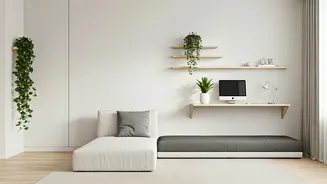
The most dramatic category of smart furniture involves pieces that can virtually vanish. The modern Murphy bed, or wall bed, is the star player here. Once a staple of old comedy films, today’s wall beds are sophisticated and safe, often integrated into a larger system of shelves or cabinets. When folded up, they reclaim an entire room's worth of floor space, allowing a bedroom to double as a home office or a yoga studio during the day. Similarly, fold-down desks and dining tables offer on-demand surfaces without permanently occupying valuable real estate. These are perfect for studio apartments or multi-purpose guest rooms, providing a full-size function when you need it and disappearing when you don’t.
Masters of Disguise
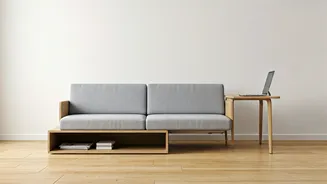
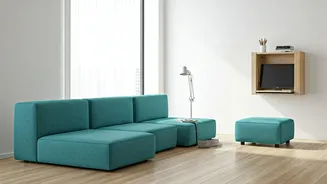
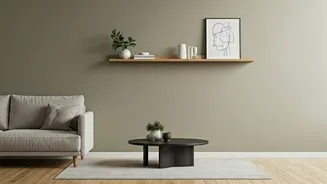
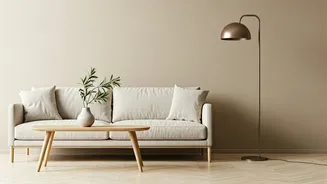
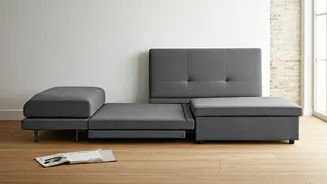
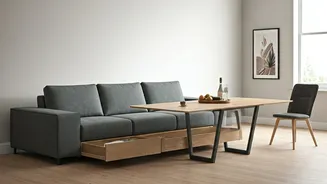
If some furniture disappears, other pieces are masters of disguise, serving multiple roles. Think of an ottoman that isn't just a footrest but also a hidden storage chest for blankets and magazines. Or a modular sofa whose sections can be rearranged into a guest bed, a chaise lounge, or separate armchairs. One of the most popular innovations is the convertible coffee table. These clever pieces can be lifted and extended to function as a work surface or a dining table, eliminating the need for separate, bulky furniture. For families in two-BHKs, this means the living room can effortlessly transform from a casual lounge to a formal dining area, making hosting guests a breeze.
A Touch of Tech
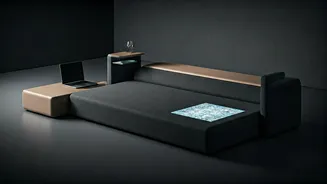
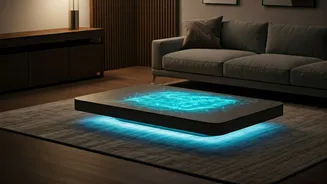
Finally, some smart furniture does earn its name through technology. This is where convenience meets design. We're seeing bedside tables with built-in wireless charging pads, sofas with integrated USB ports and Bluetooth speakers, and even beds that track your sleep patterns. While not about saving space, this tech integration is about streamlining life. It removes clutter (goodbye, tangled charging cables!) and adds a layer of seamless functionality to our most-used objects. It’s the final step in making our furniture not just passive objects in a room, but active participants in our well-being and daily efficiency.