

The Search for a Smarter Sip
For years, the go-to for a cold drink has been a beverage loaded with sugar or synthetic flavours. From fizzy colas to bottled iced teas and colourful sharbats, the common denominator was often a heavy, syrupy sweetness. But a shift is underway across
India. Health-conscious consumers, particularly millennials and Gen Z, are rejecting these options in favour of drinks that are natural, functional, and authentic. This growing awareness has paved the way for a beverage revolution, one that looks to India's own botanical pantry for inspiration. The demand is for refreshment that doesn’t come with a sugar crash, and for flavours that are complex and interesting on their own terms, without needing to be masked by sweeteners.
The Art of the Slow Steep
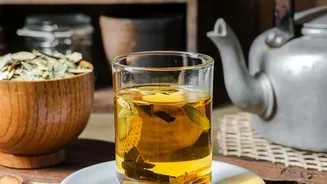
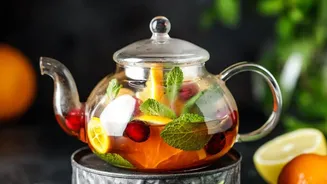
Enter the world of cold brewing. Unlike traditional iced tea, which is brewed hot and then cooled (a process that can create bitterness), slow-steeped or cold-brewed tea is a lesson in patience. Tea leaves or botanicals are submerged in cold or room-temperature water and left to infuse for an extended period, often between 8 to 12 hours. This gentle, time-driven method extracts the delicate flavour compounds from the ingredients without releasing the tannins and catechins that cause astringency and bitterness. The result is a remarkably smooth, nuanced, and naturally sweeter drink. This process preserves more of the delicate antioxidants found in the botanicals and creates a flavour profile so rich that it rarely requires any added sugar.
Vetiver: The Scent of Summer Rain
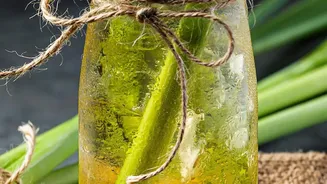
At the forefront of this trend is vetiver, known in India as 'khus'. For generations, khus has been the quintessential scent and flavour of Indian summer, famed for its intensely cooling properties. Traditionally used in everything from sharbats to water cooled in earthen pots, its aroma is complex, earthy, woody, and deeply refreshing. As an ingredient in slow-steeped teas, vetiver imparts this unique, sophisticated flavour that is worlds away from one-note sugary drinks. Beyond its distinctive taste, khus is traditionally valued in Ayurvedic practices for its calming and anti-inflammatory properties. Infusing it into cold teas offers a modern way to enjoy these benefits while tapping into a deep-rooted cultural tradition of natural cooling.
Hibiscus: A Tart and Tangy Powerhouse
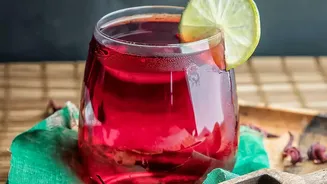
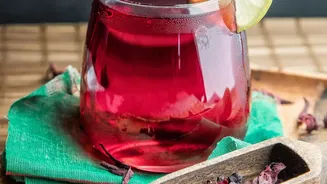
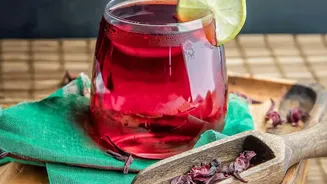
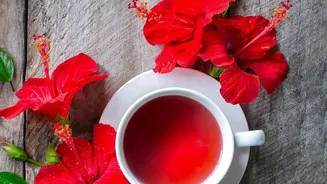
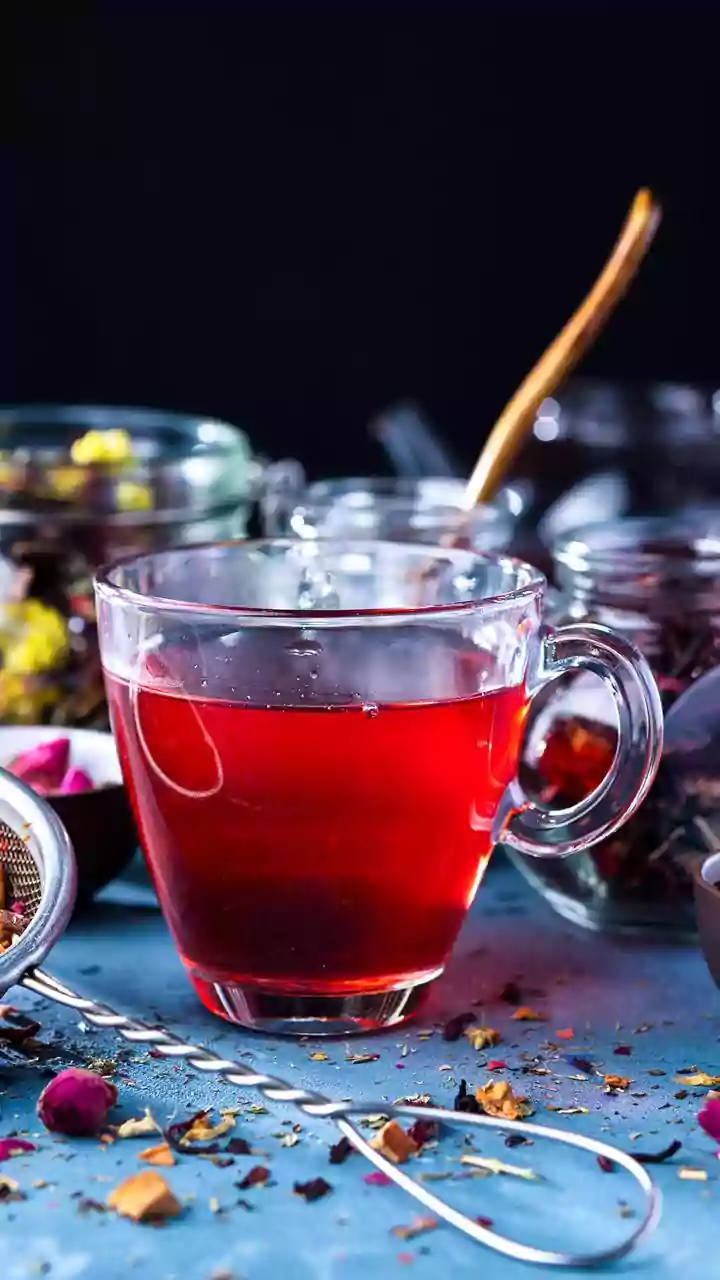
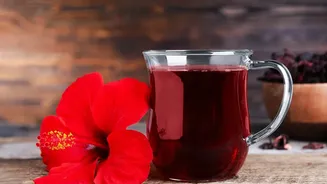
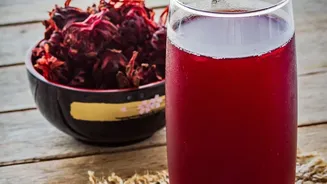
Paired often with vetiver is the vibrant hibiscus flower. When steeped, the dried calyces of the hibiscus plant release a stunning, deep ruby colour and a refreshingly tart flavour reminiscent of cranberries. This natural tartness provides a perfect counterpoint to the earthy notes of vetiver. Hibiscus tea, or 'agua de Jamaica' as it's known in other parts of the world, is celebrated not just for its taste but for its health benefits. It's packed with powerful antioxidants that help fight cellular damage. Studies have also suggested that hibiscus may help in managing blood pressure and blood fat levels, making it a powerful component of a wellness-focused beverage. Its naturally sour and slightly sweet profile means it can stand on its own, reducing the temptation to add sugar.
A Modern Twist on Tradition
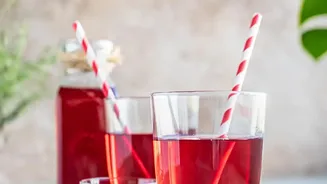
The use of vetiver and hibiscus is not new, but their application in the context of artisanal, slow-steeped cold teas is a distinctly modern phenomenon. This trend represents a broader movement of reimagining Indian heritage for a contemporary audience. Cafes and artisanal beverage brands are crafting these drinks as sophisticated, non-alcoholic options that are both visually appealing and genuinely healthy. By championing local, familiar ingredients and a patient, natural brewing process, they offer a compelling alternative to the mass-produced beverage market. The result is a drink that feels both indulgent and virtuous—a flavourful, hydrating, and entirely syrup-free way to beat the heat.