






The Age of Probiotics
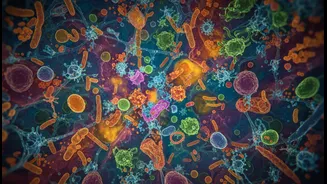
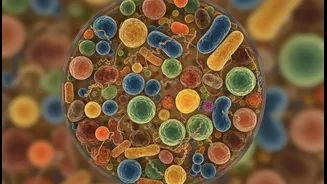
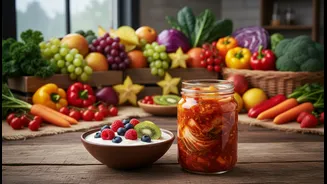
The initial boom in gut health was all about probiotics—the live beneficial bacteria found in foods like yoghurt, kefir, and kimchi. The logic was straightforward: our gut contains trillions of microbes, and adding more of the “good” ones should improve
everything from digestion to immunity. And for many, it did help. Probiotics can be beneficial, especially for restoring balance after a course of antibiotics or for managing certain digestive issues. However, experts now understand that simply parachuting in new bacteria is only one small part of a much larger strategy. The real goal isn't just to add microbes, but to create a thriving environment where a diverse range of beneficial species can flourish on their own.
Meet Prebiotics: The Fuel for Your Gut
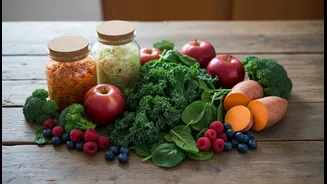
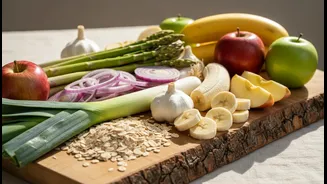
This is where prebiotics come in. If probiotics are the 'seeds', prebiotics are the 'fertilizer'. Prebiotics are specific types of dietary fiber that our bodies cannot digest but that our gut microbes love to eat. When beneficial bacteria feed on these fibers, they thrive and multiply. You can find prebiotics in a wide array of plant-based foods, including garlic, onions, leeks, asparagus, bananas, oats, and apples. By regularly consuming these foods, you're not just feeding yourself; you're nourishing the vast ecosystem inside you, encouraging the growth of your native beneficial bacteria.
The New Frontier: Postbiotics
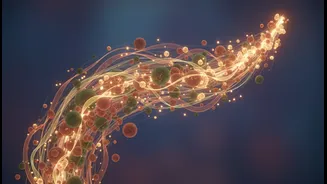
The conversation is now expanding to include postbiotics, a term that might be the newest on the block but represents the ultimate goal of gut health. In simple terms, when probiotics (the good bacteria) consume prebiotics (the fiber), they produce beneficial compounds as a result of their metabolic activity. These compounds are postbiotics. They include things like short-chain fatty acids (SCFAs), vitamins, and other molecules that have powerful effects on our health. These postbiotics are what directly strengthen the gut wall, reduce inflammation, and support immune function. In fact, many of the health benefits we once attributed solely to probiotics are now understood to be the work of the postbiotics they produce.
Why Food Diversity Is Everything
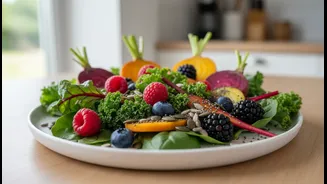
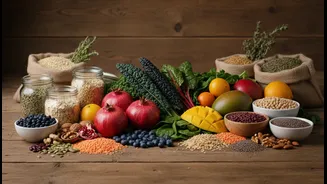
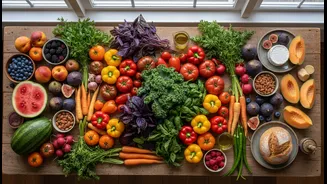
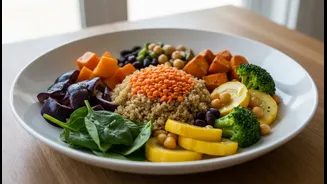
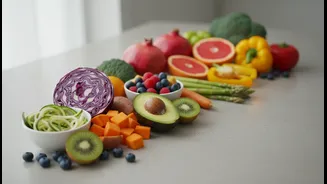
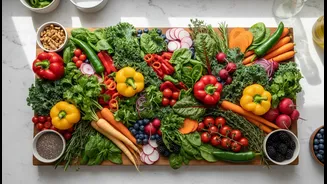
The new understanding paints a clear picture: a healthy gut isn't about a single superfood. It's about diversity. Different types of fiber feed different types of bacteria, each producing their own unique set of beneficial postbiotics. Eating only a few types of fiber-rich foods is like only feeding one section of your microbial garden. To foster a truly resilient and diverse microbiome, the goal is to eat the widest possible variety of plant foods. Aiming for 30 or more different plant types per week—including fruits, vegetables, whole grains, legumes, nuts, and seeds—is a great target. This variety ensures you're providing a full spectrum of nutrients for a wide range of microbes, leading to a more robust internal ecosystem.
The Gut-Brain Connection
The importance of this new approach is magnified by our growing understanding of the gut-brain axis—the constant, two-way communication between your digestive system and your brain. A healthy, diverse gut microbiome produces neurotransmitters like serotonin and dopamine and helps regulate stress and mood. An imbalanced gut, on the other hand, has been linked to issues like anxiety and depression. Recent research from 2026 even highlights how this axis influences memory and cognitive function, suggesting that nurturing your gut is also a critical part of caring for your mental and cognitive health as you age.