




Embracing Indian Flours
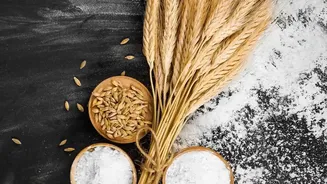
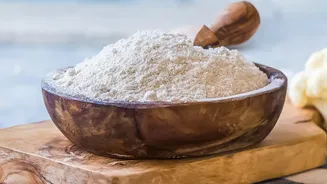
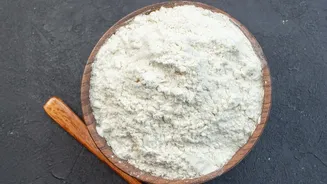
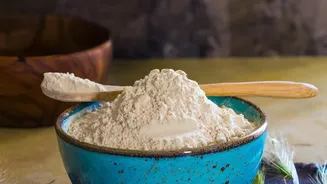
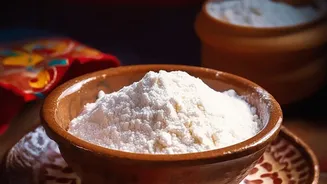
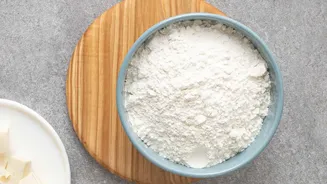
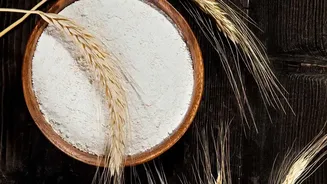
The biggest myth about sourdough is that it requires expensive, imported bread flour. This couldn't be further from the truth. In fact, common Indian flours are excellent for creating a starter. Whole wheat atta, because it contains the bran and germ,
is rich in natural yeasts and nutrients that can help kickstart the fermentation process, often making your starter active faster. Maida (all-purpose flour) also works well and can be used on its own or in combination. For beginners, a 50/50 blend of atta and maida is a fantastic starting point, offering the robust activity of whole wheat with the lighter texture of refined flour.
Your Seven-Day Starter Journey
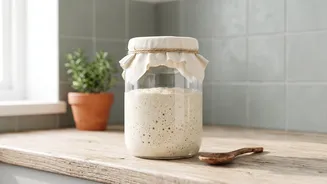
Patience and consistency are the main ingredients for a successful starter. You'll need a clean glass jar (an old pickle or coffee jar is perfect), flour, filtered water, and a kitchen scale for accuracy. Day 1: In your jar, mix 50 grams of flour (atta, maida, or a blend) with 50 grams of room temperature filtered water. Stir until it forms a thick, paste-like consistency with no dry spots. Cover loosely (don't seal it tight) and leave it on your counter for 24 hours. Day 2-3: You might see a few bubbles. Each day, you will 'feed' your starter. First, discard about half of the mixture. Then, add 50 grams of fresh flour and 50 grams of water to the remaining starter in the jar. Mix well, cover, and wait another 24 hours. Day 4-6: The activity should now become more noticeable. You'll see more bubbles, and the starter will begin to rise and fall predictably. It will also develop a range of smells, from pungent and sour to eventually a more pleasant, yeasty, or fruity aroma. Continue your daily routine: discard half, then feed with 50g flour and 50g water. Day 7: By now, your starter should be consistently doubling in size within a few hours after feeding. A reliable way to check its readiness is the 'float test': drop a small spoonful of the starter into a glass of water. If it floats, it's active and ready to be used for baking.
Adapting to the Indian Climate
India’s warm climate is actually an advantage for sourdough, as fermentation thrives in heat. In fact, a starter that might take 12 hours to peak in a cool European kitchen could be ready in just 5-7 hours in many parts of India. However, this speed can also be a challenge. In very hot and humid weather, your starter can ferment too quickly and become overly acidic. To manage this, you might need to feed it twice a day, every 12 hours, to keep it healthy and balanced. If your kitchen is particularly warm, you can slow down fermentation by using slightly cooler water for feedings or placing your starter jar in a cooler part of your home, away from direct sunlight.
Maintaining Your Starter Long-Term
Once your starter is established, you don't need to feed it daily unless you plan to bake every day. For weekly baking, you can keep your starter in the refrigerator. Simply feed it as usual, let it sit at room temperature for an hour or two, and then place it in the fridge. This slows down the fermentation process, and you'll only need to feed it once a week to keep it healthy. When you're ready to bake, take the starter out, give it a couple of feeds at room temperature over 12-24 hours to 'wake it up', and it will be bubbly and active once again.