

The Body in a Hostile Environment
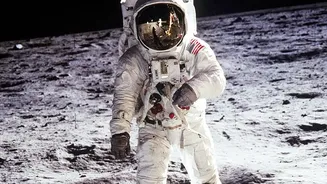
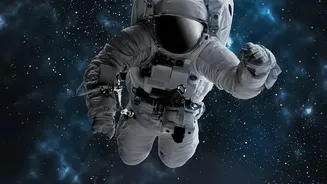
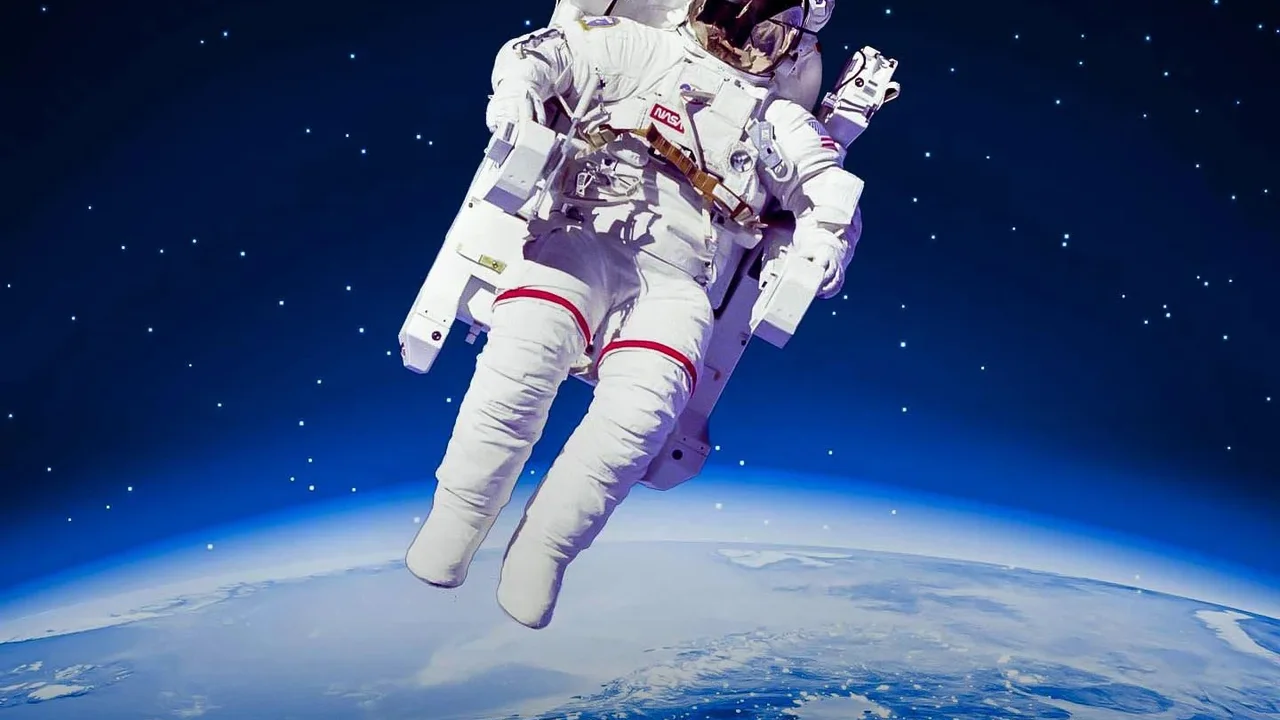
Space is incredibly harsh on the human body. Without Earth's gravity, astronauts face a barrage of physiological challenges. Their muscles begin to atrophy, and bone density can decrease at a rate of 1% to 1.5% per month—a loss similar to what a postmenopausal
person might experience in a year. This happens because the weight-bearing bones and muscles of the lower body no longer have to work against gravity. Furthermore, astronauts are exposed to higher levels of space radiation, which can impact their immune systems and increase oxidative stress. These factors lead to a cascade of issues, from cardiovascular deconditioning to a heightened risk of kidney stones due to changes in calcium levels. Since the early days of spaceflight, unintentional weight loss has been a persistent concern, often caused by a reduced appetite and a negative energy balance that worsens these health risks.
More Than Just Calories
Food in space isn't just about fuel; it's a vital component of psychological well-being. On long missions, astronauts often suffer from 'menu fatigue'—boredom with the limited selection of pre-packaged, thermostabilized, or freeze-dried meals. This can lead to them eating less, compounding the physiological problems of weight and muscle loss. The simple act of eating fresh food provides a powerful morale boost and a connection to Earth. Researchers have found that astronauts involved in growing their own food, even small crops like lettuce or chili peppers, report increased enjoyment and a greater sense of well-being. Shared meals are also a crucial social ritual that helps build crew cohesion in an isolated, confined environment. The taste and smell of food can also change in space due to fluid shifts in the body, which often leads astronauts to prefer spicier or more flavourful options.
The Interstellar Pantry Gets an Upgrade
To solve these challenges, space agencies and private companies are rethinking the entire space food system. A key goal for a Mars mission is to have a food supply with a shelf life of up to five years, a target current packaged foods don't meet. Research is focused on new preservation techniques and formulations that maintain both nutritional value and taste over long periods. Vitamins A, C, and E are particularly prone to degradation, so scientists are developing methods to coat these essential nutrients to protect them. Beyond preservation, innovation is booming. Customizable, fortified beverages are being designed to deliver specific nutrients like omega-3 fatty acids, which could help protect against radiation and support bone health. There is also exciting research into producing food from microbes through fermentation, with some startups creating protein-rich food from captured carbon dioxide. Even 3D-printing technology is being explored as a way to create meals on demand, potentially increasing variety and palatability.
Farming on the Final Frontier
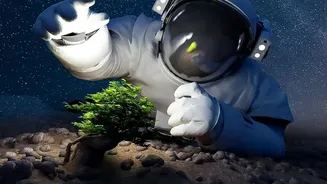
Perhaps the most significant breakthrough is in space agriculture. Relying solely on pre-packaged food for a multi-year Mars mission is not feasible due to the immense weight and volume required. As a result, growing fresh food in space is a top priority. On the International Space Station (ISS), experiments like the 'Veggie' program have successfully grown crops including lettuce, tomatoes, and alfalfa. These 'space gardens' are not just for nutrition; they also help recycle air by converting carbon dioxide into oxygen. Scientists are developing specialized 'plant pillows' for watering and are even engineering plants to be more efficient, such as tomatoes with smaller stems and leaves but more fruit. Looking further ahead, researchers are pioneering methods to grow plant biomass without light by feeding them acetate produced from carbon dioxide, a technology that could be revolutionary for food production in deep space.