




The E-Visa Revolution
India's e-visa program, first introduced in 2014 for 43 countries, has fundamentally changed how the world visits India. Now available to citizens of 172 nations, the system allows travellers to apply online for various categories—including tourism, business,
and medical visits—without visiting an embassy. The process is remarkably efficient, with the government stating that about 95% of applications are approved within 72 hours. This digital shift has been a significant driver of tourism and economic growth by removing bureaucratic hurdles. Today, approximately 78% of all visas India issues are electronic, highlighting its success. However, an e-visa approval comes with a critical condition: it is only valid for entry at a specific list of designated ports.
The Entry Point Bottleneck
Having an e-visa doesn't grant a traveller entry at any Indian border. They must arrive through an authorised Immigration Check Post equipped to handle the electronic system. For years, this list was primarily composed of major international airports and a handful of seaports. This created a logistical bottleneck, forcing many travellers to fly into a major hub like Delhi or Mumbai and then take domestic connecting flights to reach their final destination. This not only adds time and cost but also concentrates tourist traffic in a few already crowded cities. Until recently, the limited number of entry points—especially land borders—meant that overland travellers or those seeking to explore regional India directly had fewer options.
A Strategic Expansion
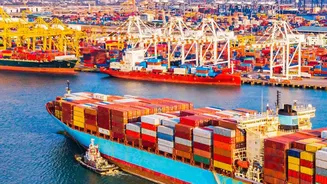
In a significant move in August 2026, the Indian government expanded the network of e-visa-enabled entry points, bringing the total to 88. This included 37 airports, 38 seaports, and 13 land ports. The recent addition of 11 new ports featured two new airports—Bhopal and Tirupati—and nine new land crossings, including key borders like Attari (with Pakistan), and others with Bangladesh, Nepal, Bhutan, and Myanmar. This wasn't just a minor administrative update; it was a strategic decision to enhance the utility and attractiveness of the e-visa program. By opening more gateways, India signals its intent to make travel more seamless and distribute the economic benefits of tourism more widely across the nation.
Unlocking Regional And Niche Tourism
More entry points directly translate to greater travel flexibility. The inclusion of Tirupati Airport, for instance, provides a direct gateway for pilgrims visiting one of India's most popular religious sites. Similarly, adding Bhopal Airport opens up central India, making sites in Madhya Pradesh more accessible. The expansion of land ports is particularly crucial for regional connectivity, making it easier for travellers from neighbouring countries to enter India by road and boosting local economies in border states like Tripura, West Bengal, and Manipur. This diversification helps move tourist spending beyond the traditional 'golden triangle' and supports niche sectors like medical tourism, spiritual journeys, and adventure travel by bringing visitors closer to their specific destinations.
The Broader Economic Impact
Ultimately, making India easier to enter is a powerful economic tool. Increased accessibility encourages more foreign tourist arrivals, which in turn boosts foreign exchange earnings. A wider distribution of entry points stimulates growth in regional hospitality, transport, and service industries, creating jobs far from the major metropolitan centres. For business travellers and cruise lines, the added flexibility can be a deciding factor when choosing India for meetings or as a port of call. Each new e-visa port acts as a catalyst for local economic activity. This deliberate expansion is part of a larger vision to enhance India's standing as a predictable, accessible, and welcoming destination for global visitors, balancing convenience with robust security measures.