





Beyond the Buzzword
Biodiversity is one of those big, important words we hear often, usually in the context of rainforests or endangered animals. While those are crucial, the story of biodiversity is also written on our plates. Agrobiodiversity refers to the variety of plants,
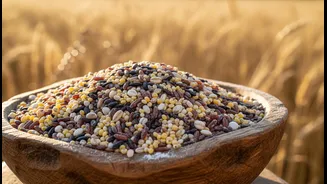
animals, and microorganisms that we use for food and agriculture. Think of the thousands of rice varieties, the spectrum of colourful millets, and the countless regional vegetables that have been cultivated for centuries. This diversity isn't just about having more options; it's the foundation of resilient food systems, providing genetic traits that can withstand pests, droughts, and floods. It’s our planet's natural insurance policy, and much of it is disappearing before we even know it exists.
The Globalisation of Flavour
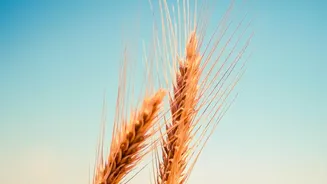
Over the past several decades, modern agriculture has prioritised high yields and uniformity over diversity. This has led to a handful of standardised crops dominating global food supplies. While this 'Green Revolution' model increased food production, it came at a cost: a dramatic loss of local, traditional food varieties and the knowledge associated with them. We've traded a rich tapestry of tastes, textures, and nutrients for a more monotonous and vulnerable food system. Many heirloom crops, perfectly adapted to their local environments, were pushed aside. The result is that while we may have more food, we have less flavour and less resilience, with many farmers becoming dependent on costly seeds and chemical inputs.
Tasting a Piece of History
Fortunately, a delicious rebellion is underway, led by farmers, chefs, and conscious consumers. In India, this revival is bringing forgotten flavours back to the table. Take rice, for instance. Instead of a generic grain, imagine the unique qualities of heritage varieties. There's Gobindobhog from West Bengal, a short-grained, aromatic rice with a naturally sweet and buttery flavour that makes it perfect for dishes like Khichuri and Payesh. Then there's Kala Namak, the 'black pearl' rice from Uttar Pradesh with a history stretching back to the Buddhist period. Granted a GI tag for its unique qualities, this aromatic rice is soft, fluffy, and packed with nearly double the protein of common varieties. Farmers reviving these grains report they are more resilient, require fewer chemical inputs, and simply taste better.
The Millet Movement
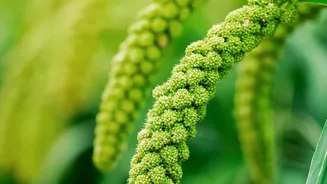
It’s not just rice. The resurgence of millets, often called 'Shree Anna' or the 'mother of all grains', is another powerful example. Once staples across India, millets were sidelined by wheat and rice. Yet these hardy grains are nutritional powerhouses and champions of sustainability. They thrive in arid conditions with minimal water, improve soil health, and support a wide range of biodiversity, including bird populations. The renewed interest in millets, sparked by initiatives like the International Year of Millets, is reintroducing a spectrum of tastes and textures into our diets while building a more climate-resilient agricultural future.
From Seed Banks to Dinner Plates
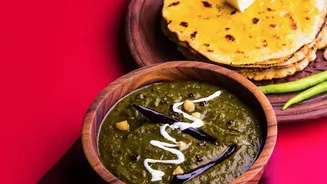
This revival isn't happening by accident. It's powered by dedicated organisations and individuals. Groups like Navdanya and Sahaja Samrudha have been instrumental, establishing community seed banks across the country to conserve thousands of indigenous varieties and make them available to farmers. These seed banks act as living libraries of our agricultural heritage, empowering farmers to break free from dependence on commercial seeds. Simultaneously, a new wave of Indian chefs is championing these indigenous ingredients, creating innovative dishes that highlight hyperlocal produce and ancient grains. By placing these foods at the centre of modern menus, they are creating market demand and proving that sustainable ingredients can also be gourmet.
Your Plate, Your Power
So, how can you be a part of this flavourful movement? It starts with curiosity. When you shop, look beyond the usual suspects. Visit local farmers' markets and ask questions. Explore stores that stock traditional or organic products. Trying a new type of rice or millet might seem like a small act, but it sends a powerful signal. Every purchase of a heritage product supports the farmers who grow it and the ecosystems that sustain it. It's a vote for a more diverse, resilient, and delicious food future. You are not just buying food; you are preserving a piece of cultural and ecological history, one meal at a time.