






Your Body's Calorie-Burning Furnace
Your body is a finely tuned machine, constantly working to maintain a stable internal temperature of around 37°C. This process is called thermoregulation. When you step out into the cold, your body immediately senses the temperature drop and kicks its
internal furnace into high gear to generate heat and prevent your core temperature from falling. This extra work requires energy, and that energy comes from burning calories. So, even before you take your first stride, your metabolism is already getting a subtle boost simply from being in a colder environment.
The Two Types of Thermogenesis
Your body generates this necessary heat in two primary ways: shivering and non-shivering thermogenesis. Shivering is what we’re all familiar with—involuntary muscle contractions that generate heat. While effective, it’s your body’s emergency response. The more interesting process for fitness is non-shivering thermogenesis. This is a metabolic process where your body burns calories to produce heat without the muscle contractions of shivering. This is where the real magic happens, especially concerning a special type of fat.
Activating Your 'Good' Fat
Not all fat is created equal. While white fat stores energy, your body also contains brown adipose tissue (BAT), or brown fat. Think of brown fat as a metabolic furnace. Its main job is to burn calories to generate heat. Infants have a lot of it to stay warm, but adults retain some as well. Research shows that exposure to cold is a key way to activate this brown fat. When you exercise in the cold, you're encouraging your body to switch on these metabolically active fat cells, leading to a higher rate of calorie burn than you'd achieve from the exercise alone in a warmer setting.
Strengthening Your Heart and Lungs
The benefits aren't just metabolic. Cold air also gives your cardiovascular system a unique challenge. Your heart has to work slightly harder to pump warm blood to your extremities to keep them from getting too cold. This extra effort, when done consistently and safely, can act like resistance training for your heart, potentially improving its strength and efficiency over time. Additionally, your lungs work to warm and humidify the cold, dry air you breathe in, which can also contribute to improved respiratory function.
Better Performance and Mood
Many athletes find they can perform better in cooler weather. With less heat stress on the body, there's a lower risk of overheating, which can allow you to push harder, run faster, or go farther. It’s no coincidence that most major marathons are scheduled for cooler months. Beyond the physical, there's a significant mental benefit. Exercising outdoors provides exposure to natural light, which can help combat the winter blues or seasonal low moods. The release of endorphins from the workout combined with the invigorating feeling of the crisp air can leave you feeling energized and positive.
Safety First: How to Approach Cold Workouts
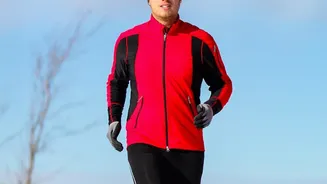
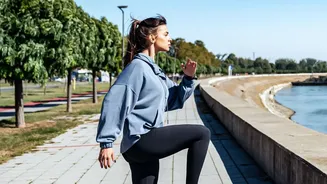
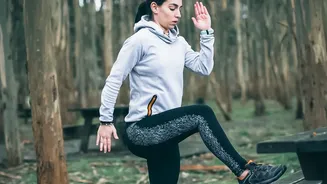
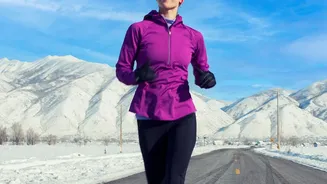
To reap these benefits safely, preparation is key. Dress in layers that you can remove as you warm up. Start with a moisture-wicking base layer to pull sweat away from your skin, add an insulating middle layer for warmth, and finish with a wind and water-resistant outer shell. Don't forget to protect your extremities—hats, gloves, and warm socks are essential as your body will prioritize keeping your core warm. Warm up dynamically indoors before heading out, and be mindful of icy surfaces. Always listen to your body and know the signs of frostbite and hypothermia.