








What Exactly Is Seaweed Fertilizer?
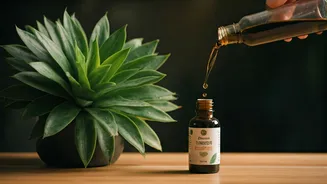
When we think of fertilizer, we often think of the basic N-P-K (Nitrogen, Phosphorus, Potassium) ratios. But seaweed fertilizer is something different. It’s less of a heavy meal and more of a nutrient-packed superfood smoothie for your plants. Derived
primarily from kelp, a type of large sea algae, this organic liquid is a bio-stimulant. This means it works by boosting a plant's natural processes, helping it to absorb nutrients more efficiently and grow stronger from the roots up. Unlike synthetic chemical fertilizers, it's a gentle, natural supplement teeming with beneficial compounds that have been brewed in the sea for millennia.
The Superpowers of Seaweed
The reason seaweed fertilizer is so prized by gardeners is its incredibly complex and beneficial profile. It’s packed with over 60 micronutrients, minerals, and vitamins, including magnesium, calcium, and iodine, which are essential for healthy plant functions but often missing from standard fertilizers. More importantly, it contains natural plant growth hormones like auxins, cytokinins, and gibberellins. In simple terms: - **Auxins** promote strong root development, helping your plant anchor itself and absorb more water and nutrients. - **Cytokinins** encourage cell division, leading to more vigorous leaf and stem growth. This is the secret to getting those lush, full-looking plants. - **Gibberellins** are involved in stem elongation and germination. Together, these components help improve the plant’s overall resilience, making it tougher and better equipped to handle environmental stress.
Why Summer Is the Perfect Time
For most of our beloved indoor plants, summer is the peak growing season. Increased daylight and warmer temperatures signal them to kick into high gear, unfurling new leaves and growing taller. This intense period of growth requires a lot of energy and nutrients. Providing a regular dose of seaweed fertilizer during this time is like giving an athlete a nutritious diet during their training season. Furthermore, the Indian summer brings intense heat, which can be a major source of stress for houseplants, even indoors. The natural hormones in seaweed fertilizer help strengthen plant cell walls and improve their ability to retain water, making them more resilient to heat stress and preventing the dreaded wilting and yellowing of leaves.
A Simple Guide to Application
Using seaweed fertilizer is incredibly easy. It typically comes in a concentrated liquid form. The golden rule is to always dilute it with water according to the instructions on the bottle—a little goes a long way, and over-fertilizing is never a good idea. A common ratio is about one teaspoon of concentrate per litre of water. There are two main ways to apply it: 1. **Soil Drench:** Simply water your plants with the diluted seaweed solution as you normally would. This feeds the roots directly and improves the soil's health. Aim to do this once every two to three weeks during the active growing season (spring and summer). 2. **Foliar Spray:** You can also add the diluted mixture to a spray bottle and mist the leaves of your plants. This method, known as foliar feeding, allows for rapid absorption of nutrients directly through the leaves. It's a great way to give your plants a quick boost, especially if they are looking a bit stressed. Do this in the early morning or evening to avoid leaf burn.
Which Plants Love It Most?
The beauty of organic seaweed fertilizer is that it’s gentle enough for almost all houseplants. However, leafy tropicals that are in their active growth phase during the summer will show the most dramatic results. Think of your Money Plants (Pothos), Monsteras, Philodendrons, Syngoniums, Aglaonemas (Chinese Evergreens), and even the notoriously fussy Fiddle-Leaf Fig. These plants will reward you with glossier, more vibrant foliage and more robust growth. Even for succulents and snake plants, a very diluted dose once a month during summer can provide beneficial trace elements without overwhelming them.