



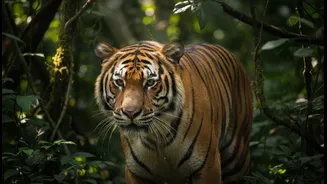



The Unseen Boundary: What is a Buffer Zone?
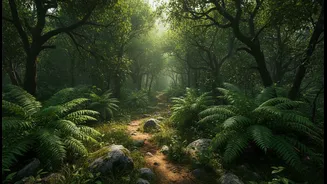
When you visit a national park or a tiger reserve, you are typically entering a highly protected ‘core area’. This is the heart of the sanctuary, where wildlife conservation is the absolute priority and human activity is strictly limited. Surrounding
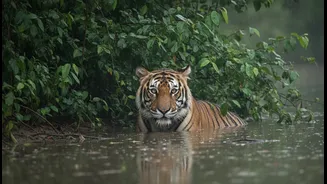
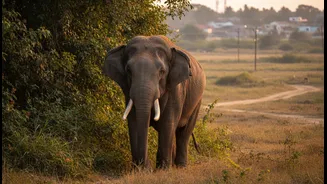
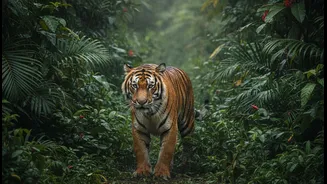
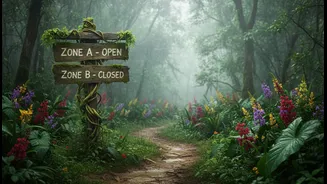
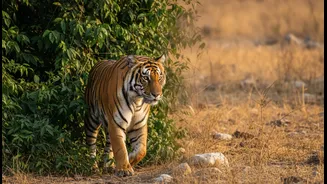
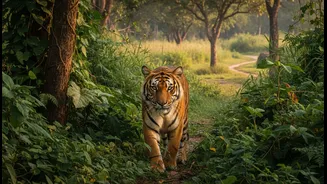
this core is a second, equally important area: the buffer zone. Think of it as a protective shield or a 'shock absorber' for the core forest. It's a transitional space where conservation meets local life, blending forests with villages and agriculture. Animals don't recognise these man-made lines and move freely between the core and buffer areas, making the buffer zone a critical extension of their habitat.
Why These Zones Matter So Much
Buffer zones are not just administrative lines on a map; they are essential for several reasons. Firstly, they provide crucial additional space for wildlife, helping to maintain ecological balance and genetic diversity. Secondly, they are vital in mitigating human-animal conflict. By creating a transitional area, they reduce the friction between wildlife needs and human settlements on the fringes. This is also where local communities are engaged in conservation, often finding livelihoods through ecotourism, which gives them a stake in protecting the very animals you have come to see. A well-managed buffer zone allows the core area to function as a safe breeding ground for countless species, sustaining the entire ecosystem.
A Different Kind of Safari
Many travellers focus solely on getting a permit for the core zone, believing it's the only place for authentic sightings. However, buffer zone safaris offer a unique and often more peaceful experience. Because they are often less crowded than the core areas, you can enjoy the jungle's raw beauty without the chaos of many vehicles. These zones are rich in biodiversity, offering excellent opportunities for birdwatching and spotting a variety of animals, not just the marquee species. Activities like guided nature walks, which are often restricted in core areas, may be permitted here, allowing for a more immersive connection with nature. Many eco-conscious lodges and homestays are located in buffer zones, providing a chance to contribute directly to the local economy.
Your Pre-Trip Checklist: A Traveller's Guide
Understanding the role of buffer zones makes you a more conscious traveller. Before you book your next wildlife adventure, take these simple steps. Research the park's layout: Identify the core and buffer zones. Most national park websites provide maps and details about different entry gates for each zone. Choose ethical operators and stays: Opt for tour companies and lodges that are transparent about their location (core vs. buffer) and demonstrate a commitment to conservation and community support. Understand the local rules: Activities allowed can differ significantly. Some buffer zones have regulations on mobile phone usage, though rules may be more relaxed than in core areas. Always maintain a respectful distance from wildlife, never feed animals, and adhere to the guidance of your park-authorised guide. Your choices support a system that protects both wildlife and the communities living alongside it.