



What Exactly Is Pazhanthanji?
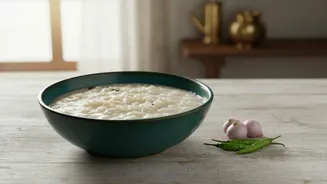
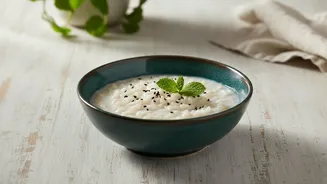
Known by many names—including Pazhaya Sadam in Tamil Nadu and Pakhala Bhata in Odisha—Pazhanthanji is, at its core, leftover cooked rice soaked in water and left to ferment overnight at room temperature. The next morning, this humble dish is typically
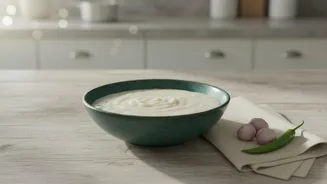
mashed and mixed with salt, buttermilk or curd, and often accompanied by simple sides like raw onions, chilies, or pickles. What was once a resourceful way to preserve food before refrigeration is now understood to be a nutritional powerhouse, thanks to the magic of natural fermentation.
A Breakfast for Generations of Laborers
For centuries, Pazhanthanji was the go-to breakfast for farmers and laborers across South India. Its benefits were practical and profound. The fermentation process makes the rice easier to digest and provides a slow, steady release of energy, perfect for a long day of physical work. It’s also known to have a cooling effect on the body, making it an ideal meal in hot, humid climates. This wasn't a gourmet delicacy; it was fuel—a simple, sustainable, and deeply nourishing meal that powered communities long before the concept of 'meal prep' existed.
The Science Behind the Simplicity
The overnight soaking process unlocks a cascade of benefits. The natural fermentation encourages the growth of beneficial lactic acid bacteria, turning the simple rice into a potent probiotic food. These probiotics are essential for a healthy gut microbiome, which influences everything from digestion to immunity. Furthermore, fermentation breaks down 'anti-nutrients' like phytic acid in the rice, which in turn makes minerals such as iron, magnesium, and potassium more bioavailable for the body to absorb. The process also enriches the rice with B vitamins, including B6 and the elusive B12, which is especially valuable in vegetarian and vegan diets.
Why Fitness Enthusiasts Are Taking Note
The modern fitness world's obsession with gut health is a key reason for Pazhanthanji's resurgence. A healthy gut is now linked to better nutrient absorption, reduced inflammation, and stronger immune function—all critical for athletic performance and recovery. But the appeal goes further. The porridge offers easily digestible carbohydrates for stable energy without the sugar spikes associated with processed carbs. The added salt and potential for buttermilk help replenish electrolytes lost through sweat, making it a natural hydration aid. For those focused on building a resilient, balanced body from the inside out, Pazhanthanji represents a return to whole, functional foods that deliver complex benefits without complex ingredients.
Making It at Home
Making your own Pazhanthanji is incredibly simple. Start with a portion of cooked rice (brown or white works) in a clay or ceramic bowl. Cover it completely with water and leave it on your counter overnight for 8-12 hours. The next morning, the water will be slightly cloudy and the rice will have a mildly tangy aroma. Mash the rice lightly with your hands or a spoon, add salt to taste, and mix in some plain yogurt or buttermilk for extra probiotics and flavor. You can customize it with chopped shallots, green chilies, or a side of your favorite pickle. It’s best eaten for breakfast or lunch, providing a refreshing and energizing start to your day.