





Conquer the Entryway Chaos
Your home’s entrance is the first line of defence against monsoon mess. Stop mud and water from being tracked through the house with a two-mat system: a sturdy coir or rubber mat outside to scrape off mud, and a highly absorbent microfibre or cotton mat inside.
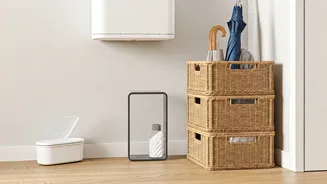
Designate a specific spot for wet items. A tall basket or an umbrella stand is a must. Install a few hooks on the wall for hanging damp raincoats and jackets. For footwear, a waterproof shoe tray is a game-changer. It contains drips and dirt, saving your floors and making cleanup incredibly simple. This small, organized zone prevents the entire house from feeling damp and cluttered.
Win the Wardrobe War
Dampness in cupboards leads to musty-smelling clothes and, worse, mould. The key is to improve air circulation and absorb excess moisture. Start by decluttering your wardrobe; packed-tight clothes trap moisture. Leave a small gap between your wardrobe and the wall. Place moisture absorbers like silica gel pouches, camphor balls (kapur), or even a small bag of uncooked rice inside. Traditional solutions like dried neem leaves also work wonders as they have anti-fungal properties. Avoid storing leather bags and shoes in sealed plastic, as this can encourage fungal growth. Instead, wipe them dry and store them in cloth bags in a well-ventilated area.
Protect Your Linens and Bedding
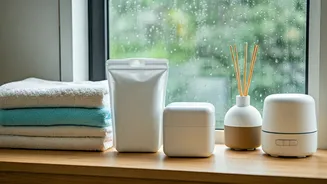
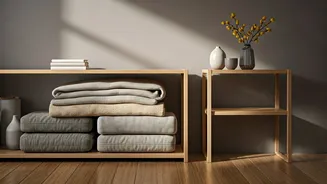
Heavy bedding, towels, and curtains can take forever to dry and often develop a persistent damp smell. If you have the storage space, consider swapping out heavy drapes for lighter, sheer curtains that allow more light and air in. When washing clothes, add a few drops of an antiseptic liquid or white vinegar to the final rinse cycle to help kill mildew-causing bacteria. Whenever the sun makes a rare appearance, seize the opportunity. Air out your mattresses, pillows, and heavy blankets to prevent moisture from setting in. Store extra linens with naphthalene balls or scented sachets to keep them smelling fresh until they are needed.
Safeguard Your Kitchen and Pantry
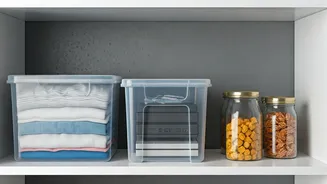
Humidity can wreak havoc on your dry goods. Spices can clump together, and biscuits can lose their crunch. Transfer staples like flour, lentils, sugar, and salt into airtight glass or steel containers immediately after purchase. For spices, adding a few grains of rice to the container can help absorb excess moisture. Keep vegetables like onions and potatoes in a cool, dry place away from each other to prevent sprouting and rotting. Regularly wipe down kitchen shelves with a vinegar-water solution to disinfect surfaces and keep crawling insects, which are more common during the monsoon, at bay.
Care for Furniture and Electronics
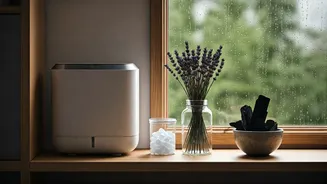
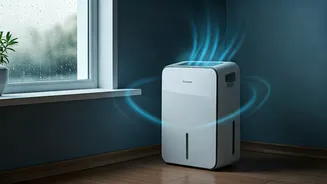
Wooden furniture is particularly vulnerable during the rainy season, as it can swell and warp. Keep your wooden tables, chairs, and cupboards a few inches away from damp walls. Polishing them with a wax-based polish can create a protective barrier against moisture. For your electronics, high humidity can cause short circuits. Ensure there's enough ventilation around your TV, computer, and other gadgets. Placing a dehumidifier in the room with most of your electronics can be a worthwhile investment. Also, regularly check for any leaks or damp patches on walls, especially behind large furniture or appliances, and address them immediately to prevent long-term damage.