





The desire for a healthy heart often clashes with the reality of painful knees. Many believe effective cardio means high-impact pounding, but there is a safer, gentler way to boost cardiovascular fitness without sidelining yourself with joint pain.
Understanding Low-Impact Cardio
Low-impact
cardio refers to any form of aerobic exercise that gets your heart rate up while minimizing stress and shock on your joints. Unlike high-impact activities such as running or jumping, these exercises ensure at least one foot remains in contact with the ground or that your body weight is supported, for instance by water or a machine. This approach is not about low effort; it’s about smart, sustainable movement that protects your body. The goal is to challenge your cardiovascular system effectively without the jarring forces that can aggravate sensitive knees, hips, and ankles, making it an ideal choice for people with arthritis, previous injuries, or general joint discomfort.
The Link to a More Efficient Heart
Your heart is a muscle, and just like any other muscle, it grows stronger with regular training. Aerobic exercise challenges your heart to pump blood more efficiently throughout your body. Over time, this leads to several powerful adaptations. A stronger heart can pump more blood with each beat, which allows it to beat slower at rest and lowers your overall blood pressure. It also improves your muscles' ability to pull oxygen from the blood, reducing the heart's workload. Low-impact exercises are just as effective as high-impact ones at elevating your heart rate into the beneficial training zones needed to achieve these results. They help lower the risk of heart disease, improve circulation, and enhance cardiac endurance.
Protecting Your Sensitive Knees
For many, the primary barrier to consistent exercise is knee pain. High-impact movements send significant force through the knee joint, which can wear down cartilage and worsen conditions like osteoarthritis. Low-impact cardio provides the perfect solution. By reducing the repetitive pounding, these activities allow you to build strength and endurance without inflaming your joints. Exercises where your body is supported, like swimming or cycling, are particularly beneficial. The water's buoyancy in swimming, for example, removes the strain of body weight, while the fluid motion of cycling avoids sharp impacts. This allows for a greater range of motion, helps strengthen the muscles supporting the knee, and improves flexibility, all of which contribute to healthier, more resilient joints.
Top Low-Impact Exercises to Consider
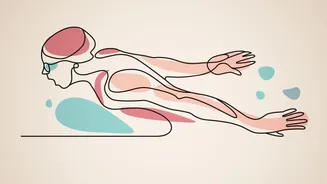
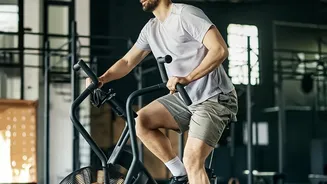
Swimming: Often called the perfect exercise, swimming is a full-body workout that is exceptionally easy on the joints. The water supports your body weight, eliminating impact while providing gentle resistance to build muscle strength and improve flexibility.Cycling: Whether outdoors or on a stationary bike, cycling is a fantastic low-impact choice. The smooth, circular motion strengthens your leg muscles—which helps support the knees—without the jarring stress of running.Elliptical Trainer: Designed specifically to be low-impact, the elliptical mimics a running motion without your feet ever leaving the pedals. This provides a great cardiovascular workout while being significantly gentler on the knees, hips, and back than a treadmill.Brisk Walking: A simple yet highly effective option, brisk walking keeps one foot on the ground at all times, drastically reducing joint stress compared to running. Walking on softer surfaces like a track or trail can further minimize impact.
Getting Started Safely and Effectively
Before beginning any new exercise regimen, it’s wise to talk with a healthcare provider, especially if you have pre-existing knee conditions. Once you get the green light, start slow. Begin with shorter sessions of 15-20 minutes and gradually increase the duration and intensity as your fitness improves. Always warm up for 5-10 minutes with light movement and dynamic stretching to prepare your muscles and joints for activity. Most importantly, listen to your body. Pain is a signal to stop or ease off. The goal of low-impact exercise is to build a consistent, pain-free habit that supports both your heart and your joints for the long haul.