









The New Hiring Rulebook: Skills Over Degrees
For decades, a good degree from a reputable college was the golden ticket to a secure job. Today, it's merely the entry fee. Indian employers are rapidly shifting from degree-based screening to a 'skills-first' approach. [3, 9] According to the TeamLease
EdTech Career Outlook Report, hiring intent for freshers has hit 73%, but this opportunity is concentrated among candidates who can prove what they can *do*, not just what they know. [3] The hard truth is that while employability has risen, a significant portion of graduates are still considered unemployable because their academic knowledge isn't aligned with industry needs. [3, 14] This 'skills gap' is where real-world projects come in. They are the most effective way to bridge the chasm between classroom theory and practical, in-demand capabilities. [17]
Why a Project Says More Than a Percentage
Imagine two candidates: one has a 9.0 GPA but only textbook knowledge. The other has a 7.5 GPA but has built a website for a local business, managed a social media campaign for an NGO, or contributed to an open-source AI project. Who do you think gets the interview? Recruiters are looking for tangible proof of your abilities. A project on your CV demonstrates initiative, problem-solving skills, collaboration, and the ability to manage a task from start to finish—qualities a transcript can't show. [13, 16] It proves you are a self-starter who is genuinely passionate about your field and ready to contribute from day one, significantly reducing training costs for the employer. [9, 13] In a world where AI and automation are changing job roles, this demonstrated ability to learn and apply new skills is your biggest asset. [7]
What Counts as a 'Real-World' Project?
The term 'project' can be intimidating, but it doesn't have to mean founding a startup. A valuable project is any task that allows you to apply your skills to solve a practical problem. For a tech student, this could be building an app or contributing to a GitHub repository. [5] For a marketing student, it could be developing a digital marketing plan with an SEO strategy for a small brand. [5] A finance aspirant could create a detailed financial model and analysis of a listed company. Even a well-researched policy paper or a data analysis project on a social issue counts. The key is that it's a self-driven initiative that produces a tangible outcome you can showcase. [16] The goal is to move beyond hypothetical assignments and create something that has a real-world application or solves a real-world problem.
How to Get Started: Finding Your First Project
Finding a project is easier than you think. Start with your passion. What problems do you want to solve? If you're a coder, explore platforms like GitHub for open-source projects. For designers, platforms like Behance can be both a source of inspiration and a place to showcase your portfolio. Consider participating in hackathons and competitions—they are excellent, time-bound ways to build something impressive. Look for freelance opportunities on platforms like Upwork or Fiverr; even a small, paid gig is valuable experience. You can also approach local small businesses or NGOs and offer your skills. They often have needs but lack the resources, providing a perfect opportunity for you to gain practical experience while making an impact. [5]
Showcasing Your Work to Land the Job
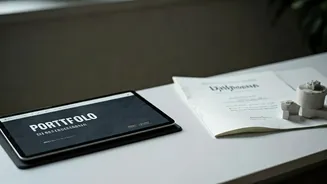
Doing the project is only half the battle; you need to present it effectively. Create a simple online portfolio—a personal website, a GitHub profile, or a Behance page—to host your work. [16] On your resume, don't just list the project name. Use 2-3 bullet points to describe what you did, the skills you used (e.g., Python, SEO, financial modeling), and the outcome. For example: "Developed a full-stack e-commerce site for a local bakery using the MERN stack, resulting in a 40% increase in online orders." During an interview, be prepared to talk about your project in detail. Explain the challenges you faced, how you overcame them, and what you learned. This narrative is far more powerful than any grade on a mark sheet.