




The Soaring Cost of Festive Flights
As festivals like Diwali, Durga Puja, and Christmas approach, a predictable pattern emerges: airfares skyrocket. Tickets on popular domestic routes can easily double or triple in price. For instance, a flight that normally costs ₹6,000 to ₹7,000 can surge
to ₹15,000 or more. Routes connecting major cities to smaller towns see even sharper hikes, with some fares jumping by over 200-300%. For many families, this surge turns the joy of going home into a significant financial burden, with the cost of travel for a family of four easily running into tens of thousands of rupees. This phenomenon is driven by a combination of massive demand, limited airline capacity, and rising aviation fuel costs, which make up a large portion of an airline's expenses. While airlines are often urged to keep prices reasonable, dynamic pricing means that as seats fill up, the remaining ones become exponentially more expensive.
The Compelling Economics of Train Travel
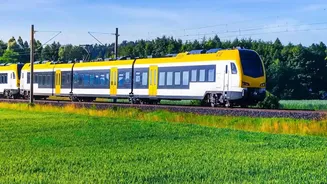
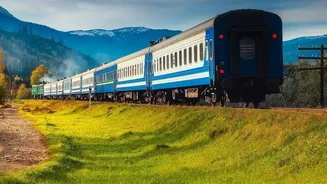
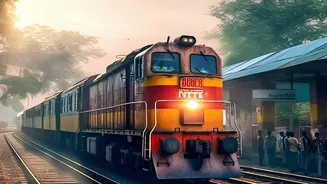
In stark contrast to airfares, train tickets offer a much more stable and affordable alternative. While you still need to book well in advance—the booking window typically opens 120 days ahead—the cost savings are undeniable. Even a premium, air-conditioned First AC (1AC) or Second AC (2AC) train ticket is often significantly cheaper than an economy class flight during the festive peak. For example, a flight from Delhi to Patna can cost upwards of ₹12,500 during Chhath Puja, while a comfortable AC train ticket on the same route can be secured for a fraction of that price. Indian Railways also frequently runs special festival trains to manage the rush, adding thousands of extra berths on high-demand routes. For budget-conscious travellers, sleeper class and Third AC (3AC) provide incredibly economical options, making the journey home accessible to everyone.
Beyond the Ticket: Uncovering Hidden Costs
The price of a flight ticket is just the beginning. Budget airlines often charge extra for everything from checked baggage to seat selection. A standard 15 kg baggage allowance can be restrictive when you’re carrying gifts and sweets for the family, and excess baggage fees can add a hefty sum to your total cost. Then there are the costs of getting to and from the airport, which are typically located on the outskirts of cities and require expensive taxi rides. In contrast, Indian Railways offers a far more generous baggage allowance, with free limits ranging from 35 kg to 70 kg depending on the class. More importantly, railway stations are almost always centrally located, making the final leg of your journey home quicker and cheaper.
Redefining 'Fast': The Door-to-Door Time Calculation
A two-hour flight is never just a two-hour journey. When you factor in the time spent travelling to the airport, arriving two hours early for check-in and security, waiting for boarding, the flight itself, deplaning, and then waiting for your luggage, the total door-to-door time can easily stretch to between five and eight hours. For short to medium-distance routes (under 800 km), this time advantage over trains shrinks considerably. A high-speed train like a Vande Bharat or Tejas can cover distances of 400-500 km in about five to six hours, from one city centre to another. For overnight journeys, the train becomes even more efficient. You board in the evening, sleep through the night in a comfortable berth, and wake up at your destination, effectively combining travel and a night's accommodation.
The Journey as Part of the Celebration
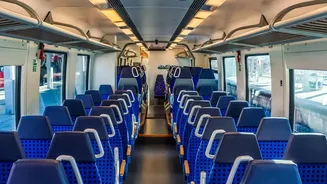
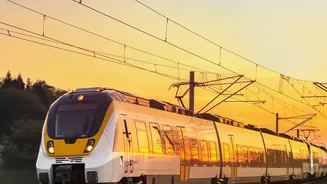
Perhaps the most compelling argument for train travel is the experience itself. Festive-season airports are a frantic mess of long queues and anxious crowds. A train journey, on the other hand, offers a more relaxed and humane way to travel. There’s space to stretch your legs, walk around, and enjoy the changing landscapes from a large window. Modern Indian trains, especially premium services like Vande Bharat and Tejas Express, offer clean, comfortable, and flight-like interiors with modern amenities. It’s a chance to disconnect from the chaos, share food with fellow passengers, and ease into the festive spirit. For many, the rhythmic motion of the train and the views of the countryside are deeply nostalgic, turning the journey from a stressful chore into a cherished part of the holiday experience.