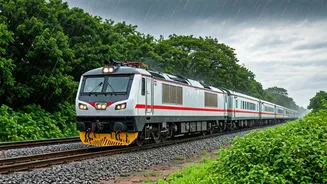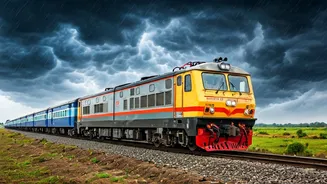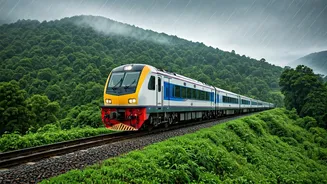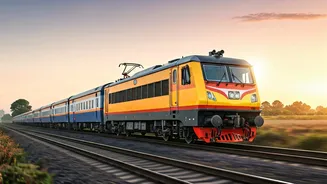







The Vande Bharat Transformation
The game-changer in this narrative is unequivocally the Vande Bharat Express. These semi-high-speed, air-conditioned trains have single-handedly transformed the perception of rail travel from a functional necessity to a desirable experience. With features
like cleaner interiors, modern bio-toilets, better food, and significantly reduced travel times on key routes, they present a compelling alternative to flying. The success of these trains has been immediate, with high occupancy rates and a growing network connecting more cities. This isn't just about a new train; it's about a fundamental upgrade to the railway experience, making it competitive with airlines on comfort and modernity, a feat previously considered unimaginable.
The New Economics of Travel
For many, the decision boils down to simple economics. While budget airlines once made air travel seem universally affordable, rising aviation turbine fuel (ATF) costs and other operational pressures have led to volatile and often high flight prices, especially for last-minute bookings. In contrast, train fares, even for premium services like Vande Bharat, are often more stable and significantly cheaper. On routes where Vande Bharat trains have been introduced, such as Chennai-Bengaluru and Mumbai-Pune, airfares have reportedly dropped by as much as 20-30% as airlines are forced to compete. This price war directly benefits consumers, making them reconsider whether the speed of a flight is worth the extra cost.
Recalculating Total Travel Time
A one-hour flight is rarely just a one-hour journey. When factoring in travel to airports often located on city outskirts, check-in queues, security procedures, boarding time, and waiting for baggage, the total door-to-door time can easily stretch to four or five hours. Train stations, conversely, are typically located in central, more accessible parts of the city. The boarding process is far simpler and quicker. For journeys under 800 kilometres, the Vande Bharat Express can often match, or even beat, the total travel time of a flight. This has made many travellers, particularly business and youth passengers, realise that the time saved by flying is often an illusion on short to medium-haul routes.
A Question of Comfort and Convenience
Beyond time and money, the overall travel experience is a growing factor. The hassles of air travel, from cramped seating and strict baggage limits to the stress of security checks, are wearing on passengers. Trains offer a more relaxed journey. Passengers enjoy more generous legroom, a more liberal baggage allowance without extra fees, and the freedom to move around. Furthermore, the ability to stay connected with mobile networks throughout most of the journey allows for a productive or entertaining trip, a significant advantage over being offline during a flight. The evolution of railway stations into cleaner, more modern hubs with better amenities also contributes to a more pleasant overall experience.
A Nuanced National Trend
It's important to note that this shift is not absolute. Domestic air traffic in India is still growing, albeit at a slower pace recently. Rather than a wholesale abandonment of air travel, what we are witnessing is a strategic segmentation of the market. For long-distance cross-country routes, flying remains the only practical option. However, for journeys between major cities a few hundred kilometres apart, the train is mounting a serious challenge. The success of the Vande Bharat has reportedly captured a 10-20% share of the airline customer base on certain routes, proving that when a viable, high-quality alternative is presented, Indian travellers are more than willing to make the switch.