








Chandigarh: The Planned City's Modern Makeover
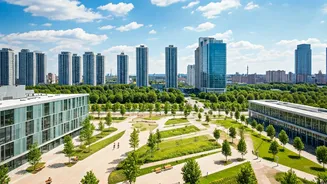
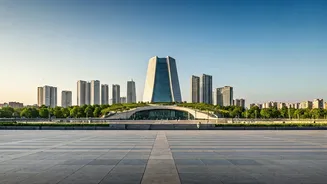
Chandigarh, long celebrated for its organised infrastructure and quality of life, is aggressively upgrading its urban fabric. The administration has unveiled development plans worth over ₹2.73 billion for FY 2025, targeting everything from housing and education
to new police and transport infrastructure. This includes over 600 new government housing units and significant road network expansions designed to ease traffic. The focus isn't just on bricks and mortar; it's about future-proofing the city. Mohali, part of the Chandigarh Tricity, is already a robust IT hub, attracting a young, tech-savvy workforce. This blend of planned living and modern opportunity is proving potent. Real estate experts note that Tier-2 cities like Chandigarh are emerging as growth engines, offering higher rental yields (3-4%) compared to metros (2-2.5%). This combination of a high quality of life, relatively low pollution, and booming infrastructure is making the Tricity region a preferred destination for both businesses and families seeking an alternative to metro congestion.
Jaipur: The Pink City's Startup Surge
Jaipur is rapidly shedding its image as just a tourist hub and transforming into a dynamic economic centre. The city's startup ecosystem is booming, ranking as the 8th strongest in India and climbing 29 spots in global rankings. With a 35% year-on-year increase in startups last fiscal year, it’s clear a new wave of entrepreneurship is taking hold. This growth is fueled by significant investment, with the ecosystem securing over $337 million in funding between 2014 and late 2024. The government is actively fanning these flames, with initiatives like the Rising Rajasthan Global Investment Summit in December 2024, which secured MoUs worth an impressive ₹83,800 crore, much of it aimed at urban and industrial growth in Jaipur. This economic diversification into sectors like fintech, e-commerce, and IT is creating jobs and attracting talent. As a result, the real estate market is surging, with property prices seeing unprecedented growth and developers flocking to the city.
The Metro Fatigue Factor
The rise of cities like Chandigarh and Jaipur isn't happening in a vacuum. It's a direct response to a growing phenomenon: metro fatigue. The very things that once defined metro cities—endless opportunities and a fast-paced lifestyle—are now offset by significant drawbacks. Affordability is a primary concern. The cost of living in Mumbai, for example, is dramatically higher than in Jaipur, with rent for a 1BHK apartment in the city centre being multiples of what one might pay in a Tier-2 city. According to one index, you would need around ₹1,51,944 in Chandigarh to maintain the same standard of life you could have with ₹1,40,000 in Jaipur. Beyond the cost, there's the declining quality of life, marked by traffic congestion, pollution, and the sheer stress of navigating overcrowded urban spaces. The pandemic-induced shift to remote and hybrid work models also played a crucial role, allowing professionals to reconsider their location without sacrificing their careers, a trend that has benefited high-potential Tier-2 markets.
A New Blueprint for Urban India?
The success of Chandigarh and Jaipur highlights a broader, nationwide trend. Tier-2 and Tier-3 cities are no longer just satellite towns but are becoming self-sustaining centres of growth and opportunity. This shift is powered by a combination of factors: government initiatives like the Smart Cities Mission, massive infrastructure investment, and a conscious decision by both individuals and companies to seek value and balance beyond the traditional metros. Developers and private equity investors have taken note, pouring significant capital into these emerging hubs, signalling confidence in their long-term potential. This distributed model of development, where multiple cities become engines of economic growth, offers a more sustainable and balanced path for India's urban future. It reduces the strain on megacities while spreading prosperity and opportunity more evenly across the nation, creating a healthier, more resilient urban landscape for all.