



The Inevitable Squeeze
In our rapidly urbanising world, the conflict between development and nature feels inevitable. More people flocking to cities creates a huge demand for housing, offices, and infrastructure. Land becomes a premium commodity, and sprawling green areas can
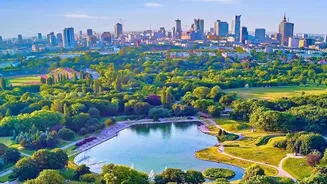
start to look like untapped real estate. This pressure often puts economic growth in direct competition with environmental and public health. However, this is a false choice. The benefits of urban green spaces are not just aesthetic; they are critical for a city's health. They act as natural air purifiers, combat rising urban temperatures, and help manage stormwater, reducing the risk of flooding. Research consistently shows that access to parks and natural environments boosts mental and physical well-being, providing essential spaces for recreation and stress relief. Losing these spaces to concrete doesn't just make our cities uglier; it makes them less liveable, less resilient, and more hazardous to our health.
Rethinking 'Green Space'
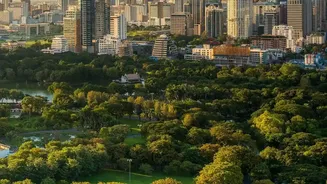
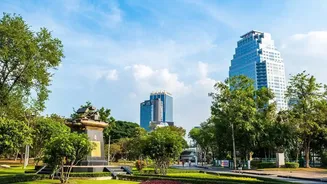
Part of the solution lies in expanding our definition of what green space is. It’s not just about large, traditional parks. Modern urban planning embraces the concept of 'green infrastructure,' which weaves nature into the urban fabric in innovative ways. This includes everything from green roofs and vertical gardens that climb up skyscrapers to bioswales (vegetated channels that absorb rainwater) along streets and green corridors that connect larger parks. These smaller, integrated elements work together to create a network of nature throughout the city. They help support biodiversity, providing habitats for birds and insects, and make nature accessible to more people, even in the densest of neighbourhoods. In cities where land is scarce, this approach allows for the creation of new green areas without needing to find large, empty plots.
Building Smarter, Not Just Wider
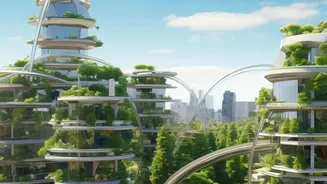
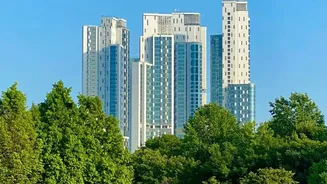
The other side of the coin is smarter development. Instead of sprawling outwards and consuming natural landscapes, cities can focus on 'compact growth' or 'smart density'. This involves building more efficiently on the land that is already developed. But density doesn't have to mean a concrete jungle. It can be paired with high-quality public spaces and innovative architectural designs. Think of residential towers that incorporate sky gardens or office buildings with sprawling rooftop parks. These approaches prove that density and greenness can be partners, not enemies. By encouraging mixed-use developments, where homes, offices, and shops are all in one neighbourhood, cities can also reduce the reliance on cars, which in turn reduces pollution and frees up land once dedicated to massive roads and parking lots for more people-centric, green uses.
The Power of Policy and People
Achieving this balance isn't accidental; it requires deliberate policy and strong governance. Cities need to implement and enforce zoning laws that protect existing green spaces and mandate the inclusion of new ones in development projects. This could involve requiring a certain percentage of any new development to be dedicated to green areas or offering incentives for developers who incorporate green infrastructure. Public-private partnerships can also play a key role in funding and maintaining these spaces. Furthermore, community involvement is crucial. Engaged citizens who advocate for parks, community gardens, and the preservation of natural habitats can hold city planners and developers accountable, ensuring that the push for growth doesn't sideline the need for a healthy environment.