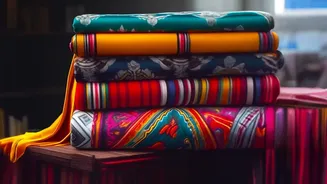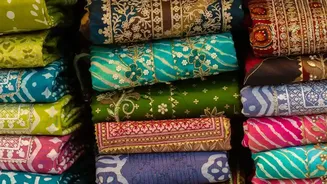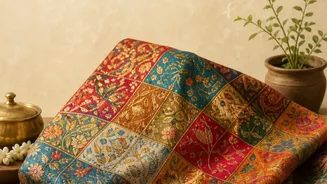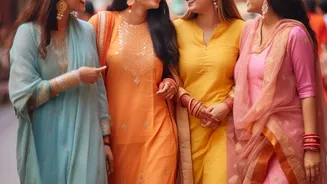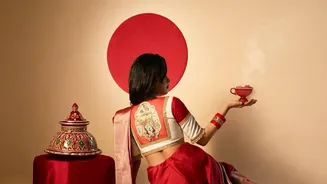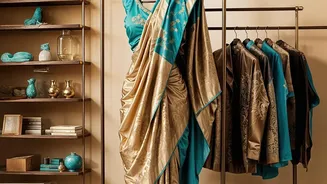

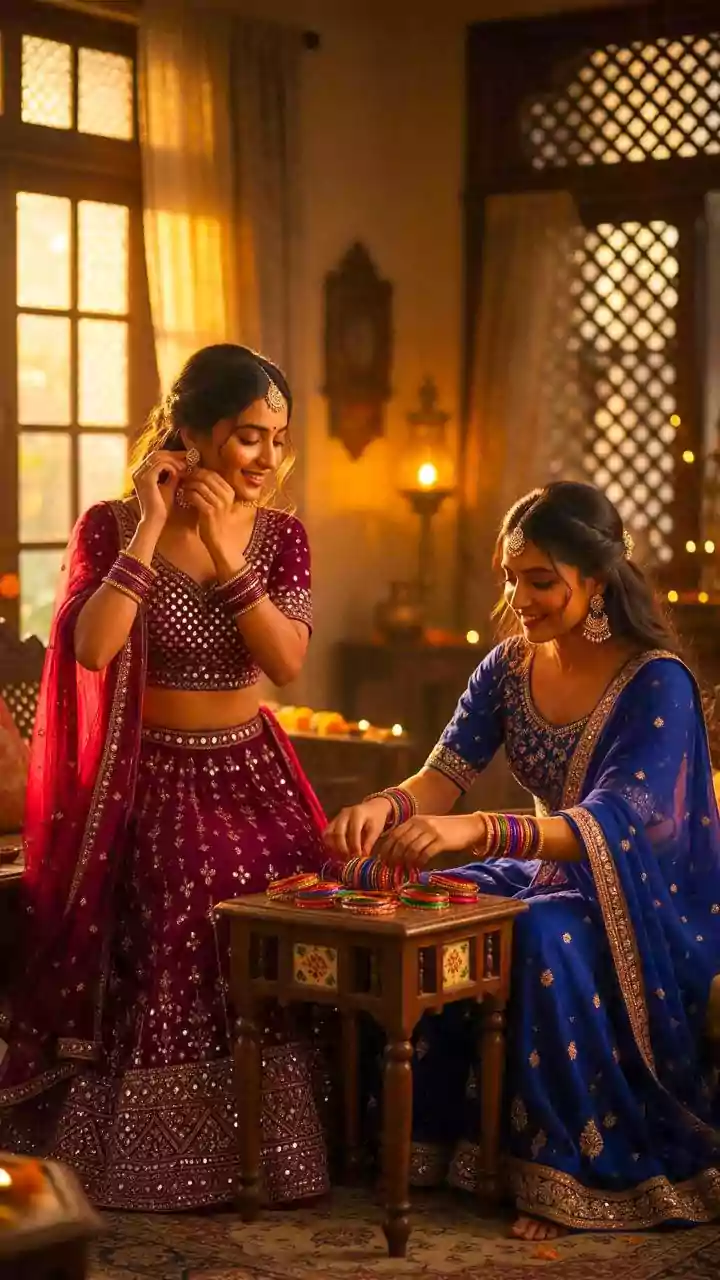

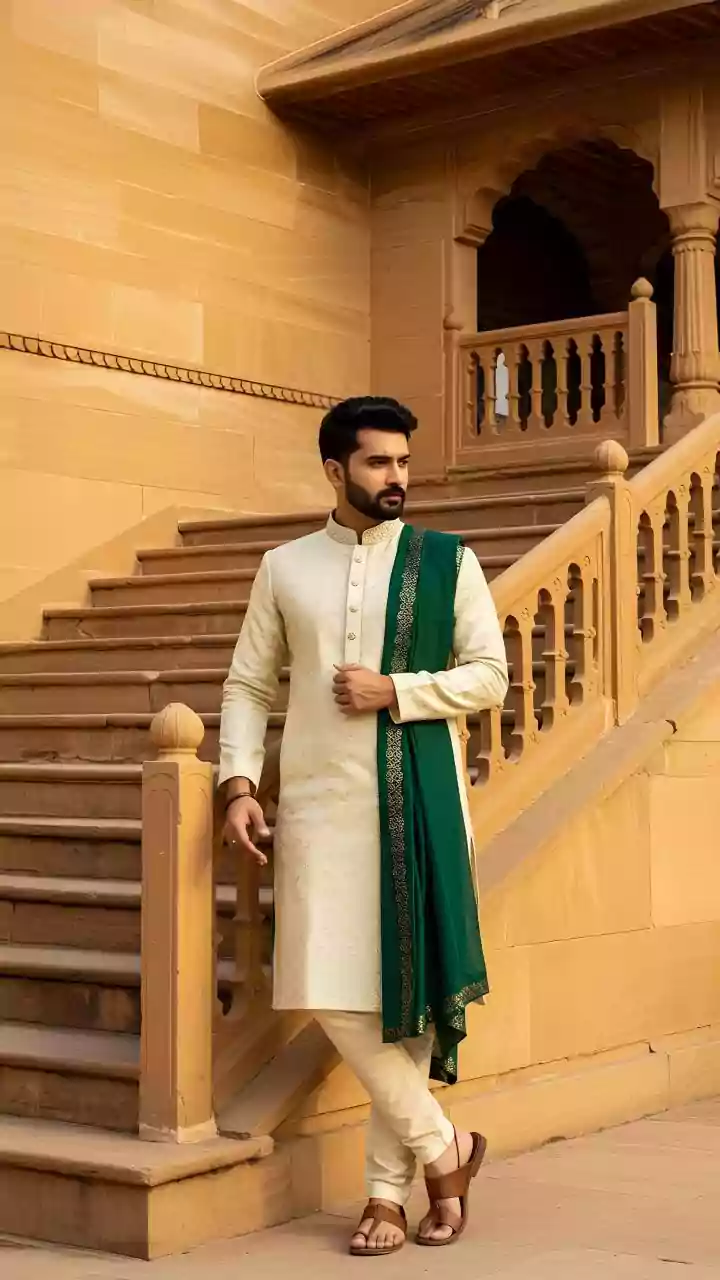
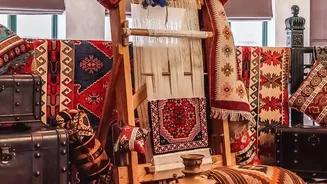

A quiet revolution is unfolding in Indian wardrobes. Once dominated by fast fashion, a powerful shift is seeing younger consumers championing regional fabrics, turning heritage weaves into a statement of identity and ethics.
A Search for Authenticity
For years, the allure of global
fast-fashion brands was undeniable. They offered trendy, affordable clothing at a dizzying pace. Yet, for a growing number of young Indians, that appeal is fading. This generation is increasingly seeking authenticity and a tangible connection to their roots, something mass-produced polyester simply cannot offer. They are asking questions: Where did my clothes come from? Who made them? What is their story? This quest for meaning has led them back to the loom, to the vibrant and diverse world of India's regional textiles. Wearing a piece of Ajrakh from Gujarat or a Jamdani from Bengal is no longer just a fashion choice; it is a personal statement about valuing history, craft, and individuality over uniformity.
The Power of a Narrative
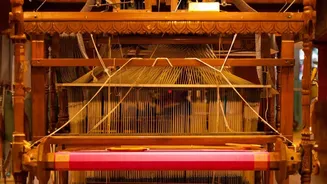
Every handwoven fabric tells a story. A Patan Patola saree, for instance, can take months to create, involving a complex double-Ikat weave known only to a handful of families. Similarly, the intricate floral motifs of Banarasi silk carry centuries of artisanal legacy within their threads. These are not just garments; they are narratives of a place, a community, and a craft passed down through generations. Younger consumers, raised on storytelling through social media, are captivated by these histories. They are drawn to the idea that their clothing has a soul and a lineage. This appreciation transforms a simple purchase into an act of cultural preservation, making the wearer a patron of the arts, not just a consumer.
Conscious Consumerism and Fair Trade
The 'why' behind this trend is deeply rooted in a growing consciousness about ethical production. Reports on the environmental damage and exploitative labour practices common in the fast-fashion industry have not gone unnoticed by Gen Z and Millennials. They are actively seeking alternatives that align with their values. This is where fair-trade principles become critical. Supporting heritage artisans means ensuring they receive fair wages, work in safe conditions, and are recognised for their incredible skill. Younger buyers are willing to pay a premium for a product when they know it directly benefits the creator and their community, bypassing exploitative middlemen. This ethical calculus is a major driver, turning a purchase into a vote for a more equitable world.
Digital Looms and Social Marketplaces
This movement would be impossible without technology. Instagram, in particular, has become a digital marketplace and a visual catalogue for heritage textiles. Artisans and a new wave of direct-to-consumer (D2C) brands are using the platform to showcase their work, tell their stories, and connect directly with customers across the country. A weaver in a small village in Odisha can now display their latest Ikat creation to a young professional in Mumbai through a simple post or Reel. This digital bridge has democratised access, removing the traditional barriers of geography and distribution networks. It allows for transparency, as consumers can often see the weaving process and 'meet' the artisan online, fostering a powerful sense of connection and trust.
The Artisan as a Modern Creator
Perhaps the most significant shift is in perception. Younger consumers do not see these weavers and printers as mere labourers but as highly skilled artists and entrepreneurs. They are the keepers of a priceless cultural legacy. This reframing is crucial. By celebrating the artisan as a creator, the focus moves from cheap production to the immense value of their craft. This respect is reflected in the language used by brands and influencers who champion this cause, referring to 'artisan-signed' pieces and 'master weavers'. This elevation of status resonates deeply with a generation that values creativity and individuality, making the support of heritage crafts a cool, aspirational, and deeply meaningful endeavour.