

In the quest for a more sustainable kitchen, the most overlooked ingredients often hide the most potential. This innovative approach to bottle gourd redefines 'waste', turning discarded peels into a stunning and delicious appetiser.
The Zero-Waste Philosophy
The concept of using
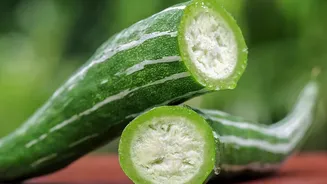
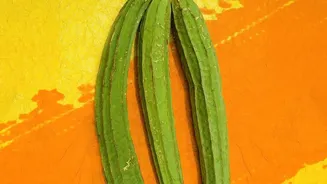
every part of a vegetable is not new; it is a cornerstone of traditional Indian cooking. 'Root-to-stem' eating is making a comeback as cooks look for ways to reduce waste, save money, and discover new flavours. The bottle gourd, or lauki, is a perfect example. While the flesh is used in countless curries, dals, and even desserts, the peel is typically binned. However, these peels are not only edible but are packed with nutrients, including fibre, vitamins, and minerals. By transforming them into kebabs, you are embracing a philosophy that finds value and flavour in what is usually discarded, creating a dish that is both delicious and environmentally conscious.
The Star: Bottle Gourd Peel Kebabs
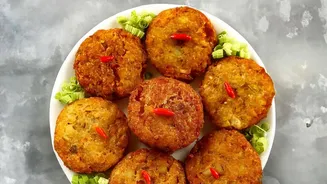
So, what exactly are bottle gourd peel kebabs? Often called 'lauki ke chhilke ke kebab', these are savoury patties made from the tender peels of the gourd. The peels, which have a subtle flavour, are boiled until soft, then mashed or ground with a variety of binding agents and spices. Common additions include boiled potatoes, roasted gram flour (besan), lentils (chana dal), and an aromatic blend of ginger, garlic, green chillies, and fresh coriander. The result is a kebab that is surprisingly flavourful, with a soft interior and a delightfully crisp exterior when shallow-fried. They offer a texture that some compare to the classic shami kebab, making them a fantastic vegetarian alternative.
A Guide to Making the Kebabs
While exact recipes vary, the process is straightforward. First, wash the bottle gourd thoroughly and peel it, aiming for slightly thick peels. These peels are then boiled or pressure-cooked until tender. After draining them well, the peels are ground into a coarse paste. This paste forms the base of the kebab mixture. To this, you add a binder like besan or boiled and mashed potatoes to help shape the kebabs. Seasoning is key: add finely chopped onions, ginger-garlic paste, fresh coriander, and a mix of spices like red chilli powder, garam masala, and chaat masala for a tangy kick. Mix everything into a firm dough, shape them into patties, and shallow-fry on a non-stick pan with minimal oil until both sides are golden brown and crisp.
The Perfect Chutney Accompaniment
A great kebab deserves a great chutney. The mild, earthy flavour of the bottle gourd peel kebabs pairs beautifully with a bright, tangy dip. A classic mint-coriander chutney is an excellent choice, offering a fresh, sharp contrast. For those who prefer a bit of sweetness, a tamarind and date chutney provides a delightful sweet-and-sour profile. You can even make a chutney from the peels themselves by sautéing them with dals, chillies, and tamarind for a full-circle, zero-waste experience. The goal is a chutney that cuts through the richness of the fried kebab and brightens the overall flavour.
An Inspired Serving Suggestion
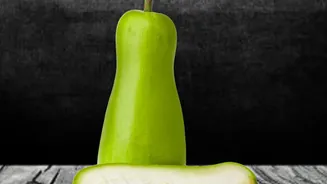
The final flourish lies in the presentation. Serving the chutney in the bottle gourd itself is a creative touch that elevates the entire dish. This is achieved by using a piece of the bottle gourd as a natural, edible bowl. You can take a thick slice of the gourd, carefully scoop out the centre to create a small well, and fill it with your chosen chutney. This not only looks stunning on a platter but reinforces the dish's sustainable theme. It is a simple yet elegant presentation technique that turns a humble snack into a conversation starter, perfect for parties and family gatherings. This approach reminds us that presentation is as much a part of the culinary experience as the food itself.