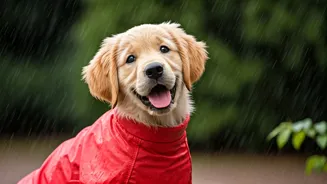






1. Invest in Practical Rain Gear
While a dog in a tiny raincoat is adorable, monsoon gear is about function, not just fashion. A good quality, waterproof jacket will keep your dog’s core dry, preventing them from catching a chill and significantly cutting down on that pervasive 'wet
dog' smell. Look for a coat that is lightweight, easy to put on, and has reflective strips for visibility during gloomy days or evening walks. For dogs with sensitive paws or those who live in areas with waterlogging, waterproof booties can prevent cuts and protect them from dirty water and potential infections. Introduce these gradually at home with lots of treats to make it a positive experience.
2. Prioritise Paw Protection
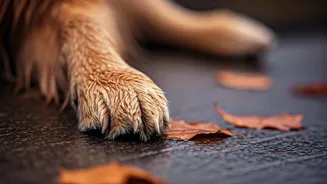
Your dog's paws are their first point of contact with wet, muddy ground, making them highly susceptible to fungal and bacterial infections. The constant dampness can soften the paw pads and create a breeding ground for germs. Make 'paw care' a non-negotiable post-walk ritual. As soon as you get home, wash your dog’s paws with lukewarm water and a gentle antiseptic solution. More importantly, dry them thoroughly, paying special attention to the area between the toes. A hairdryer on a low, cool setting can be effective for long-haired breeds. Check daily for any redness, inflammation, or excessive licking, which could be signs of an infection.
3. Master the Art of Drying
A damp coat is not only uncomfortable for your pet but can also lead to skin issues like hotspots and fungal infections, especially for breeds with thick undercoats or skin folds. A quick towel rub isn't enough. Use a highly absorbent microfibre towel to soak up as much water as possible. Follow up with a dryer on a cool or low-heat setting, keeping it moving to avoid concentrating heat on one spot. Regular grooming is also crucial during this season. Keeping their coat trimmed, especially around the paws and underbelly, will help it dry faster and prevent mud from clumping in their fur.
4. Beware of Puddles and Pests
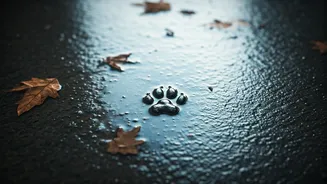
As tempting as it is for a dog to splash around, puddles of stagnant water are a major health hazard. They can be contaminated with everything from garbage and chemicals to dangerous bacteria that cause diseases like leptospirosis. Steer your dog clear of puddles during walks. The monsoon is also prime breeding season for ticks, fleas, and mosquitoes. Ensure your pet is up-to-date on their tick and flea prevention treatments. At home, make sure their drinking water is always fresh and clean, as the increased humidity can cause bacteria to grow faster in their water bowl.
5. Manage Thunderstorm Anxiety
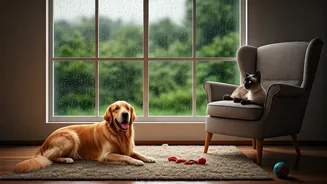
The loud claps of thunder and flashes of lightning can be terrifying for many dogs. This anxiety can manifest as hiding, barking, trembling, or destructive behaviour. Create a 'safe den' for your pet—a quiet, cosy corner of the house like a crate covered with a blanket or a spot under a bed. You can play calming music or white noise to muffle the storm's sounds. Stay calm yourself, as your dog will pick up on your anxiety. Distractions like a special chew toy or a puzzle feeder can also help. In severe cases, anxiety wraps and jackets that apply gentle, constant pressure can have a calming effect.
6. Boost Their Diet and Immunity
With shorter walks and less outdoor activity, your dog might be burning fewer calories. Adjust their food portions slightly to prevent weight gain. More importantly, focus on boosting their immunity. A diet rich in fibre can help prevent digestive issues, which are more common in the monsoon. Consider adding immunity-boosting, vet-approved supplements or foods to their diet. Including ingredients like turmeric (in small, safe amounts), fish oil, or foods rich in antioxidants can help strengthen their natural defences against seasonal illnesses. Always consult your vet before making significant changes to your pet's diet.
7. Keep Them Engaged Indoors
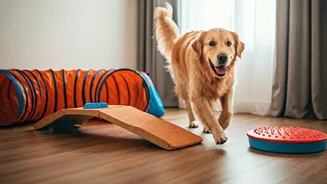
Cancelled walks and less playtime outside can lead to a bored, frustrated, and destructive pet. The monsoon is the perfect time to level up your indoor game. Engage their minds with puzzle toys, snuffle mats, and 'find the treat' games. Scent work is a fantastic way to tire out a dog mentally. You can also use the indoor time to practise basic obedience training or teach them new tricks. A 15-minute training session can be just as tiring as a short walk. These activities not only burn off excess energy but also strengthen your bond.