


The Scale of Our Kitchen Waste
Let’s be honest: a significant portion of what we throw away is food. In India, urban households generate tonnes of organic waste every single day—vegetable peels, leftover food, fruit scraps, and tea leaves. According to estimates, about 60% of the municipal
solid waste in our cities is organic. When this 'wet waste' gets mixed with dry waste and sent to a landfill, it doesn't just disappear. Trapped under layers of plastic and other garbage without access to oxygen, it decomposes and releases methane, a potent greenhouse gas that is far more damaging to the atmosphere than carbon dioxide. By simply segregating and composting this waste at home, you are directly tackling a major source of urban pollution.
What is Composting, Really?
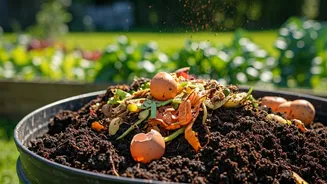
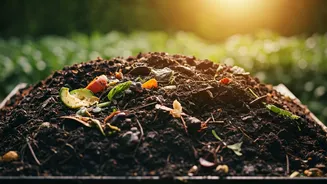
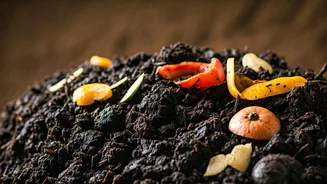
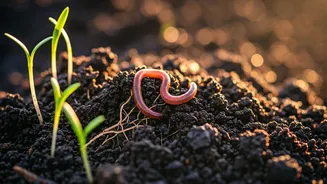
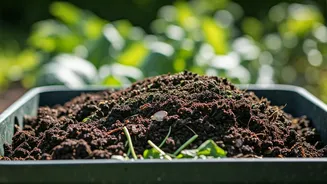
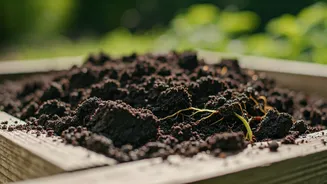
Think of composting as nature’s recycling program. It’s the process of breaking down organic materials into a rich, dark, soil-like substance often called 'black gold' by gardeners. This isn't about letting food rot in a smelly pile. Proper composting is a controlled process that uses microorganisms, air, and moisture to transform your kitchen scraps into a nutrient-packed conditioner for soil. This finished compost can then be used to revitalise potted plants on your balcony, nourish a small kitchen garden, or even be donated to a local community park. You’re not just reducing waste; you're creating a valuable resource from it.
Choosing the Right Bin for Your Home
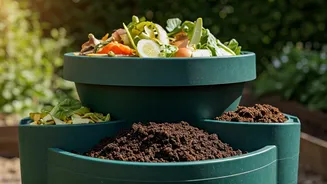
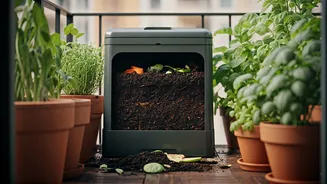
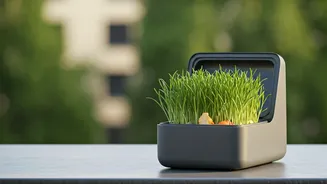
The thought of a compost bin might bring to mind a large, messy pile in a backyard, but modern solutions are designed for compact urban living. Here are a few popular options for Indian apartments: * **Stackable Bins (Khambas):** These are often made of terracotta and consist of three or more stacking pots. You fill the top pot, and once it's full, you move it to the middle and start filling a new one on top. By the time the third pot is full, the first one has turned into compost. They are aesthetic, airy, and perfect for balconies. * **Bucket Systems:** These are simple, sealed plastic buckets, often sold in pairs. You fill one while the other 'cures'. They are compact and affordable, making them a great entry point. Some systems require adding a microbial powder to speed up the process and control odour. * **Bokashi Bins:** This Japanese method uses a special bran to ferment (or pickle) your waste in an airtight container. It's incredibly fast and can handle things like meat and dairy that traditional composting avoids. The process produces a nutrient-rich liquid 'tea' for plants, and the fermented solid can then be buried in soil to finish decomposing.
Your Composting Cheat Sheet
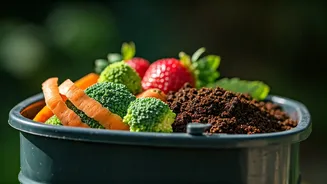
Success in composting comes down to getting the right mix. You need a balance of 'Greens' (nitrogen-rich, wet materials) and 'Browns' (carbon-rich, dry materials). **What to compost (The 'Greens'):** * Vegetable and fruit peels and scraps * Tea leaves and coffee grounds * Crushed eggshells * Wilted flowers and puja garlands **What to add for balance (The 'Browns'):** * Dry leaves, twigs * Sawdust or cocopeat (easily available) * Shredded newspaper or cardboard (not glossy) * Used paper towels **What to avoid:** * Meat, fish, and bones (can attract pests and smell) * Dairy products and oily foods * Pet waste * Diseased plants
Common Worries, Simple Fixes
Two fears stop most people from starting: smells and pests. Both are easily manageable. **If it smells bad:** A foul, rotten smell usually means your compost is too wet and lacks air. The fix is simple: add more 'browns'. Stir in some cocopeat, sawdust, or shredded cardboard to absorb excess moisture and aerate the pile. Turn the compost every few days with a small rake to introduce oxygen. **If you see pests:** Small fruit flies are common at the start but can be controlled by always covering your fresh food scraps with a layer of 'browns'. Ensure your bin has a secure lid. If you see maggots (which are actually soldier fly larvae and excellent decomposers), it's another sign your pile is too wet. Again, add more dry material. A well-balanced compost pile doesn't provide the right environment for unwanted pests.