







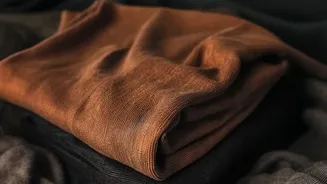
Why Dirty Laundry is a Bad Idea
Storing clothes that seem 'clean enough' can lead to unpleasant surprises next season. Invisible body oils, sweat, and tiny food particles on fabrics are a feast for pests like moths, silverfish, and even mice. These critters are drawn to the organic
matter, and their larvae can eat through natural fibres like wool and cashmere, leaving behind irreparable holes. Beyond pests, any unseen stains from spills or perspiration can oxidize over time in storage, turning into stubborn yellow or brown marks that are difficult to remove. Furthermore, bacteria on unwashed clothes can lead to musty, stale odours that permeate the entire storage container, greeting you with an unpleasant smell when you unpack.
The Correct Way to Clean
Proper cleaning is more than just a quick cycle in the machine. Always start by reading the garment's care label. For delicate natural fibres like wool and cashmere, hand washing is often the best approach. Use a basin of lukewarm water and a mild, wool-specific detergent. Submerge the item, let it soak for about 15 minutes, and gently agitate before rinsing with cool water. If machine washing is an option, turn garments inside out, place them in a mesh laundry bag to prevent snagging, and use the delicate or wool cycle with cold water. For sturdy winter coats or items with special finishes, professional dry cleaning is a wise investment to ensure they are properly cleaned and preserved.
Drying is Half the Battle
Ensuring your clothes are completely dry before storage is non-negotiable. Even the slightest bit of dampness can create a breeding ground for mould and mildew, which can stain fabrics and cause health issues. Avoid the temptation to tumble dry sweaters, as the heat can cause shrinkage and damage delicate fibres. Never hang heavy knits to dry, as the weight of the water will stretch them out of shape. The best method is to lay the garment flat on a clean, dry towel. Gently roll the towel up with the sweater inside to squeeze out excess water, then unroll and lay it flat on a drying rack away from direct sunlight or heat.
Smart Storage Solutions
Once clean and bone-dry, the final step is proper storage. The ideal environment is cool, dark, and dry, so avoid attics and basements where temperatures and humidity can fluctuate. Choose your containers wisely. While convenient, plastic bins don't allow for air circulation, which can trap any residual moisture. Breathable cotton or linen storage bags are a better choice for preventing mustiness. Avoid using vacuum-sealed bags for natural fibres like wool, cashmere, and down, as the intense compression can crush the fibres and permanently damage their structure and insulating properties. For bulky coats, use broad, padded hangers and store them in breathable garment bags, never the plastic from the dry cleaner.
Keeping Pests at Bay
Even with clean clothes, adding a natural pest repellent provides an extra layer of protection. Cedar blocks or lavender sachets are excellent, non-toxic options for deterring moths. The aromatic oils in cedar disrupt the moths' ability to find your clothes. You can refresh cedar blocks each year with a light sanding to release more of their protective oils. Place these repellents inside your storage containers, but ensure they don't directly touch delicate fabrics to avoid any potential oil transfer. These natural deterrents are a much safer and more pleasant alternative to traditional mothballs, which contain toxic chemicals and leave a hard-to-remove odour.