




The Myth of the One ‘Authentic’ Recipe
In the sprawling world of Indian food content, the word ‘authentic’ is a powerful magnet. It promises a true taste of a region, a direct line to tradition. Yet, this promise often leads to confusion, because for almost every Indian dish, there isn’t one
single authentic version. Instead, there are two parallel, equally valid traditions: the food cooked in homes and the food designed for restaurants. When a food blogger presents a recipe for a rich, creamy, impossibly smooth dal makhani and labels it ‘traditional Punjabi home-style’, they are unintentionally misleading their audience. That dish, with its luxurious texture and hours of simmering, is a triumph of restaurant kitchens, not a reflection of the everyday dal that nourishes families across Punjab.
The Soul of ‘Ghar Ka Khana’
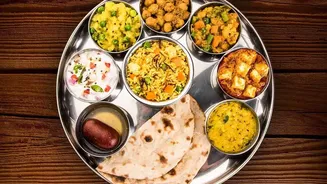
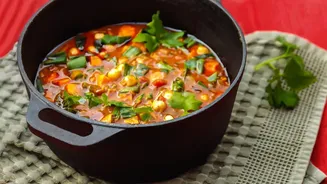
Home cooking, or ‘ghar ka khana’, operates on a different philosophy. Its primary goals are nourishment, comfort, and resourcefulness. It is guided by seasonality, the health of the family, and the passing down of techniques through generations. Home cooks often use freshly ground spices, but in simpler combinations than their restaurant counterparts. The techniques are time-tested and geared towards extracting flavour without excessive fat or elaborate equipment. Think of the countless sabzis, dals, and rotis that form the backbone of daily Indian meals. These dishes are rarely found on restaurant menus because their value isn't in spectacle, but in the quiet, consistent love they represent. They are the flavours of memory and belonging, dishes cooked with an intuition that a written recipe can never fully capture.
The Theatre of Restaurant Food
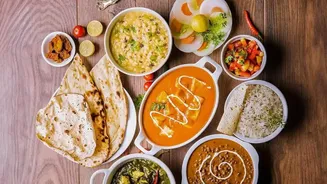
Restaurant kitchens, in contrast, are built for performance and efficiency. A chef’s priority is to deliver a consistent, memorable, and often indulgent experience that justifies the price tag. This has led to the development of specific techniques and systems, the most significant of which is the ‘base gravy’. Many North Indian restaurant curries start from a large, pre-prepared batch of a blended sauce, usually made of onions, tomatoes, and aromatics. This base allows chefs to produce a wide variety of dishes quickly when an order comes in. Furthermore, restaurant food almost always contains significantly more fat—be it oil, ghee, or cream—and salt. These ingredients are fantastic carriers of flavour and create a richness that is difficult and, frankly, undesirable to replicate at home on a daily basis. The use of high-heat commercial stoves and tandoors also imparts a distinct smoky flavour that most home kitchens cannot achieve.
What We Lose When We Blur the Lines
When food content creators fail to make this distinction, several things are lost. First, it sets home cooks up for failure. They try to replicate a restaurant dish with home equipment and a different set of priorities, leading to frustration. They may feel their own family’s version of a dish is somehow ‘wrong’ or inferior because it doesn’t match the glossy image online. Second, it flattens our rich and diverse culinary landscape. It erases the stories and techniques of millions of home kitchens, suggesting that the restaurant version is the only one that matters. This can gradually erode regional food identity, replacing the nuance of home cooking with a standardised, restaurant-approved flavour profile. It promotes the idea that all Indian food is heavy, creamy, and elaborate, which is simply untrue.
The Way Forward for Food Creators
The solution is not to declare one form of cooking superior to the other. Both are vital parts of our food culture. The solution is clarity. Food bloggers, YouTubers, chefs, and journalists have a responsibility to be more precise in their language. Instead of a generic ‘authentic rogan josh recipe’, they should specify: ‘A Restaurant-Style Rogan Josh for a Special Occasion’ or ‘A Quick, Homestyle Mutton Curry’. This simple act of labelling does two things. It manages audience expectations, empowering them to choose the recipe that suits their needs and context. More importantly, it pays respect to two distinct, valuable culinary arts. It acknowledges that the genius of a restaurant chef who perfects a dish for hundreds is different from, but not greater than, the genius of a grandparent who has perfected a dish for their family over decades.