







The Lure and the Risk
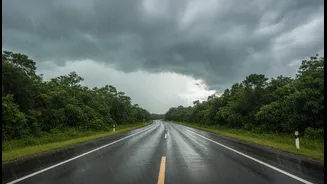
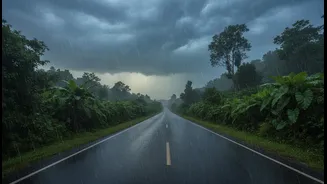
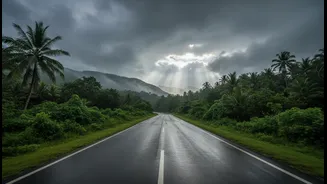
From the misty hills of the Western Ghats to the rain-washed plains of the north, monsoon tourism offers a unique and serene experience. Destinations like Coorg and the ghats of Maharashtra transform into vibrant green wonderlands. However, this seasonal
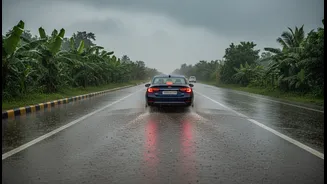
beauty comes with increasing risks. The monsoon of July 2026 has already seen intense spells across the country, with the India Meteorological Department (IMD) issuing multiple alerts for heavy to extremely heavy rainfall in states from Kerala to West Bengal. Recent days have brought reports of landslides, waterlogging, and significant travel disruptions, underscoring a new reality for tourists. In Nashik, authorities have even urged tourists to stay away due to warnings of a potential cloudburst. This isn't just about inconvenient delays; it’s a matter of safety, as incidents involving tourists have led to stricter regulations in popular trekking areas.
What is Forecast Literacy?
Simply checking a weather app for a rain icon is no longer sufficient. Forecast literacy is the ability to properly read, interpret, and act on meteorological information. It means understanding the difference between a simple prediction of rain and a formal warning of “heavy to very heavy rainfall.” It involves knowing what the IMD's colour-coded alerts signify and what actions you should take in response. In an era of changing climate patterns, where monsoons can bring erratic and extreme downpours, this skill bridges the gap between official weather jargon and your real-world safety. It empowers you to assess risk accurately, make informed decisions, and avoid placing yourself in a vulnerable situation, whether you're planning a day trip or a week-long vacation.
Decoding IMD's Colour-Coded Alerts
The IMD uses a simple colour-coded system to communicate the severity of expected weather. For any traveller, understanding this is the first step to forecast literacy.Green (No Warning): This means all is well. No adverse weather is expected, and no action is required.Yellow (Be Aware): A yellow alert is a heads-up. It indicates that weather conditions could change and might cause disruption to daily activities. It’s a signal to stay updated.Orange (Be Prepared): This is a more serious alert. An orange warning means severe weather is highly likely, with the potential to disrupt travel, communication, and power supply. You should anticipate the bad weather and be prepared to take protective action, which might include changing your travel plans.Red (Take Action): This is the highest level of warning. A red alert indicates that extremely severe weather is expected, posing a significant threat to life and property. Authorities will be taking action, and you should too—this often means staying indoors and avoiding travel altogether.
Beyond the Colours: Understanding the Terms
Forecast literacy also involves grasping key terms. A forecast might mention “isolated places” versus “widespread” rain, which indicates how much of a region will be affected. The IMD also quantifies rainfall: “heavy rain” is 64.5 to 115.5 mm in 24 hours, while “very heavy rain” is 115.6 to 204.4 mm, and “extremely heavy rain” is anything above that. These numbers directly correlate to the risk of flash floods and landslides. Paying attention to phrases like “active monsoon trough” or “low-pressure area” can also give you a clue about the persistence and intensity of the rainfall expected over several days. Checking multi-day forecasts, not just the 24-hour outlook, helps you understand if you're facing a brief shower or a prolonged, dangerous weather event.
Practical Steps for the Monsoon Traveller
Armed with better forecast literacy, you can take concrete steps to ensure a safer trip. Before you leave, check the IMD's official website for district-level warnings for your destination. Have a flexible itinerary and a backup plan in case an orange or red alert is issued. Pack appropriately with quick-drying clothes, waterproof bags for electronics, and sturdy footwear with good grip. Always carry a first-aid kit, a power bank, and some non-perishable snacks and drinking water. Avoid travelling to landslide-prone hilly areas or regions with active flood warnings. Never attempt to cross flooded roads or swollen streams, and always respect warnings from local authorities. Informing a friend or family member of your travel plans is a simple but vital safety measure.