


Rethinking a Classic Snack
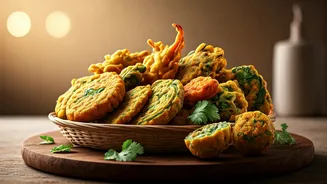
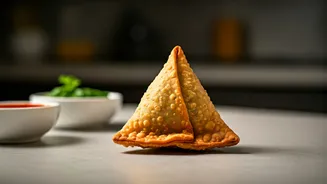
The pakoda, in its essence, is a perfect snack. It’s quick, versatile, and delivers a satisfying crunch that few other foods can match. From onion and potato to paneer and chilli, it’s a canvas for flavour. The traditional method of deep-frying in oil,
however, is what gives many health-conscious snackers pause. But the evolution of the pakoda doesn't mean abandoning it. It means innovating. By swapping a few key ingredients and rethinking the cooking process, you can transform this beloved indulgence into a snack that not only tastes fantastic but also leaves you feeling light, nourished, and completely guilt-free. It’s about making smarter choices without sacrificing the soul of the dish. Let’s explore some delicious pakodas that pack a nutritional punch.
The Protein-Powered Moong Dal Pakoda
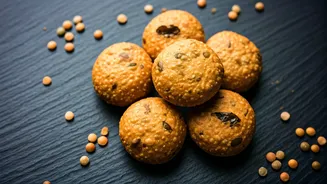
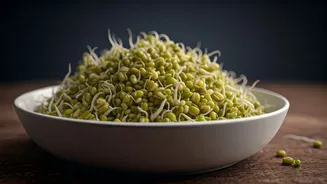
Move over, besan (gram flour). While besan is a perfectly good base, using soaked and ground moong dal (split yellow lentils) takes your pakoda game to another level. Moong dal is famously light on the stomach and an excellent source of plant-based protein and dietary fibre, which helps keep you full for longer. These pakodas, often called 'moong dal bhajiyas' in many parts of India, have a uniquely crispy-yet-fluffy texture. To make them, soak the dal for a few hours, grind it into a coarse paste with ginger, green chillies, and herbs like coriander. You can add finely chopped onions or spinach for extra texture and nutrients. Because the batter is naturally lighter, it absorbs less oil during frying. Even better, these hold up beautifully in an air fryer, giving you a crunchy exterior with a soft, savoury inside.
The Fibre-Rich Vegetable and Oats Pakoda
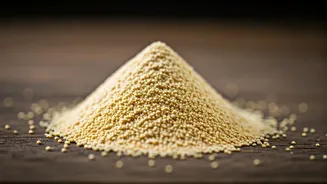
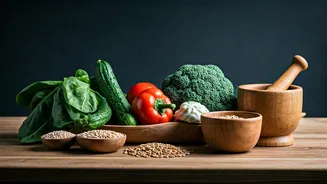
This is the ultimate ‘clean out the fridge’ pakoda that’s secretly a powerhouse of nutrition. The concept is simple: grate a variety of vegetables like carrots, cabbage, zucchini, and bell peppers. These add vitamins, minerals, and a crucial element—fibre. To bind it all together, instead of using only besan, introduce rolled oats or oat flour into the mix. Oats are celebrated for their heart-healthy beta-glucans and ability to provide sustained energy. They act as a brilliant binder, soaking up moisture from the vegetables and creating a pakoda that’s wonderfully moist on the inside. Season generously with ajwain (carom seeds) for digestion and other spices of your choice. This version is less about the batter and more about the wholesome goodness of the vegetables it holds.
The Nutrient-Dense Palak Pakoda
We've all had palak pakodas, but to truly make them 'feel better', the key is in the ratio. Instead of a few spinach leaves swimming in a sea of batter, make spinach the star. Finely chop a large bunch of fresh palak (spinach), add thinly sliced onions, and use just enough besan or a mix of millet flours (like jowar or bajra) to bind everything together. This ensures every bite is packed with the iron, Vitamin K, and antioxidants that spinach is known for. The millet flours add their own earthy flavour and nutritional benefits, including being gluten-free and rich in minerals. This veggie-forward approach drastically reduces the overall calorie density and increases the nutrient profile, turning a simple snack into a genuinely healthy treat.
The Game-Changing Air Fryer Method
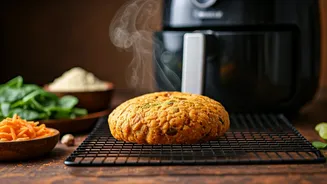
The biggest leap towards a 'feel-good' pakoda lies not just in the ingredients, but in the cooking method. An air fryer is a pakoda lover’s best friend. It uses circulating hot air to achieve a crispiness that rivals deep-frying, but with a fraction of the oil. To adapt any pakoda recipe for the air fryer, prepare your batter as usual, ensuring it’s not too runny. Brush the air fryer basket with a little oil, place small portions of the batter inside, and give the tops a light spray or brush of oil. Air fry at around 180°C for 10-15 minutes, flipping halfway through, until golden and crisp. The result is a snack that is significantly lower in fat and calories, letting the true flavour of the ingredients shine through without the heavy, greasy feeling afterwards.